Understanding Acute Pain
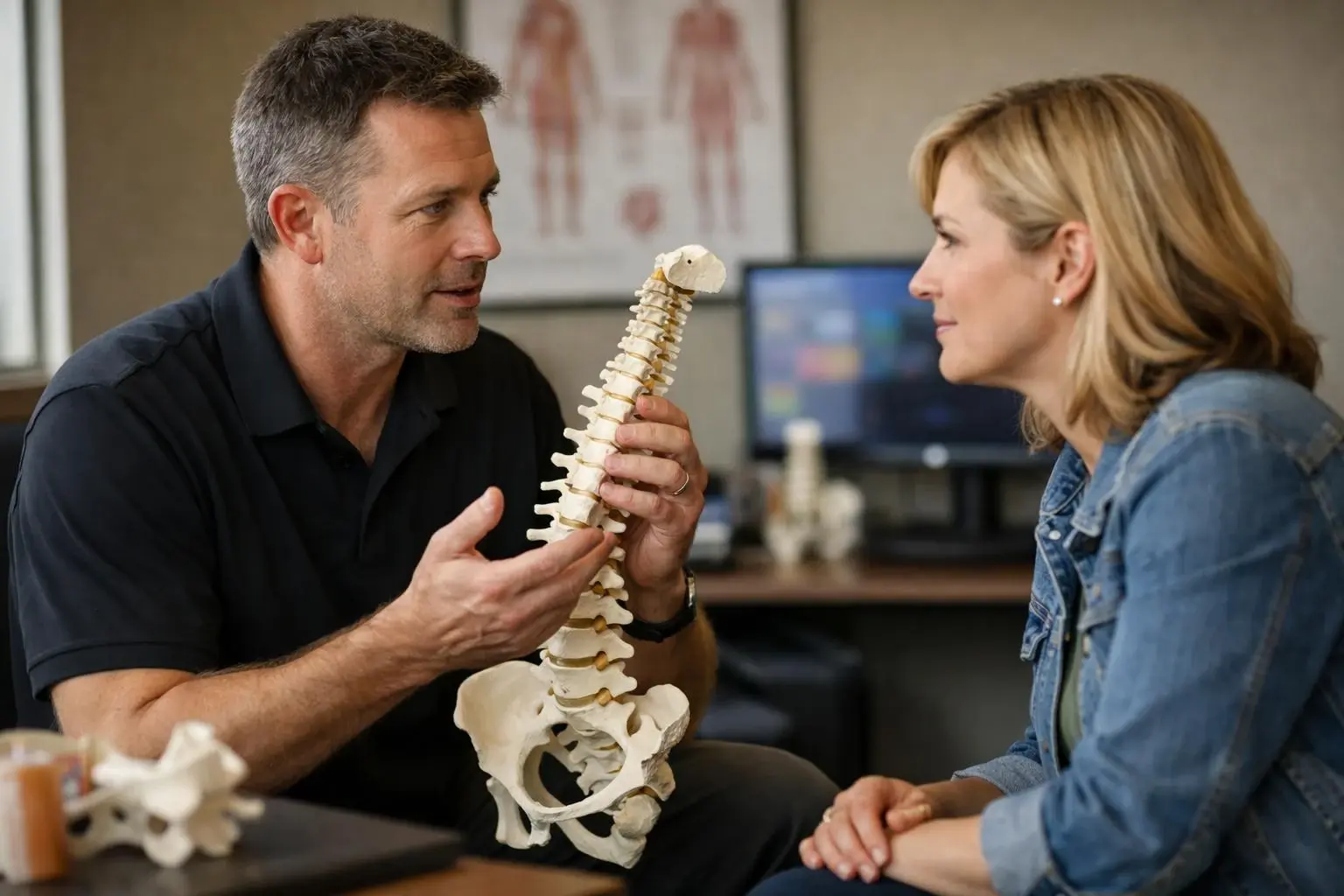
Acute Pain is the body’s immediate response to harm or potential harm. It begins suddenly, often after an accident, fall, surgery. Or illness. And serves as a protective mechanism. For example, touching a hot stove triggers acute pain to signal the need to pull away and avoid burns. This type of pain is usually sharp and intense but temporary, lasting from a few seconds to several months, depending on the cause and healing process.
Related glossary terms: Chronic Pain, Subacute Pain, Soft Tissue Injury.
Unlike chronic pain, which persists beyond the normal healing period, acute pain resolves as the underlying injury or condition improves. It can occur in muscles, joints, bones. Or internal organs and may be localized to one area or spread to nearby regions. Understanding acute pain helps individuals recognize when to seek care and how to manage symptoms effectively.
A practical next step is Common causes of acute pain include cuts, burns, fractures, sprains, infections. And surgical procedures. The intensity of acute pain can vary widely—from mild discomfort to severe, debilitating pain—depending on the injury or illness. While acute pain is unpleasant, it plays a crucial role in survival by alerting the body to potential dangers.
How Acute Pain Works?
Acute Pain works through a complex network of nerves, chemicals. And signals in the body. When tissues are damaged—such as from a sprained ankle or a deep cut, special nerve endings called nociceptors detect the injury. These receptors send electrical signals through the spinal cord to the brain, where the signals are interpreted as pain. The brain then triggers responses like muscle contractions, inflammation. Or withdrawal to protect the injured area.
Inflammation is a key part of acute pain. When tissues are damaged, the body releases chemicals like prostaglandins, histamine. And bradykinin, which increase blood flow to the area and cause swelling, redness. And warmth. These chemicals also sensitize nerve endings, making the pain feel more intense. Over time, as the injury heals, inflammation decreases. And the pain subsides.
Pain signals can also be influenced by emotions, stress. And past experiences. For example, anxiety or fear may amplify the perception of acute pain. While relaxation techniques can help reduce it. Healthcare providers often use a combination of treatments - such as ice, rest, medication. Or physical therapy - to interrupt the pain cycle and support healing.
Why Acute Pain Matters?
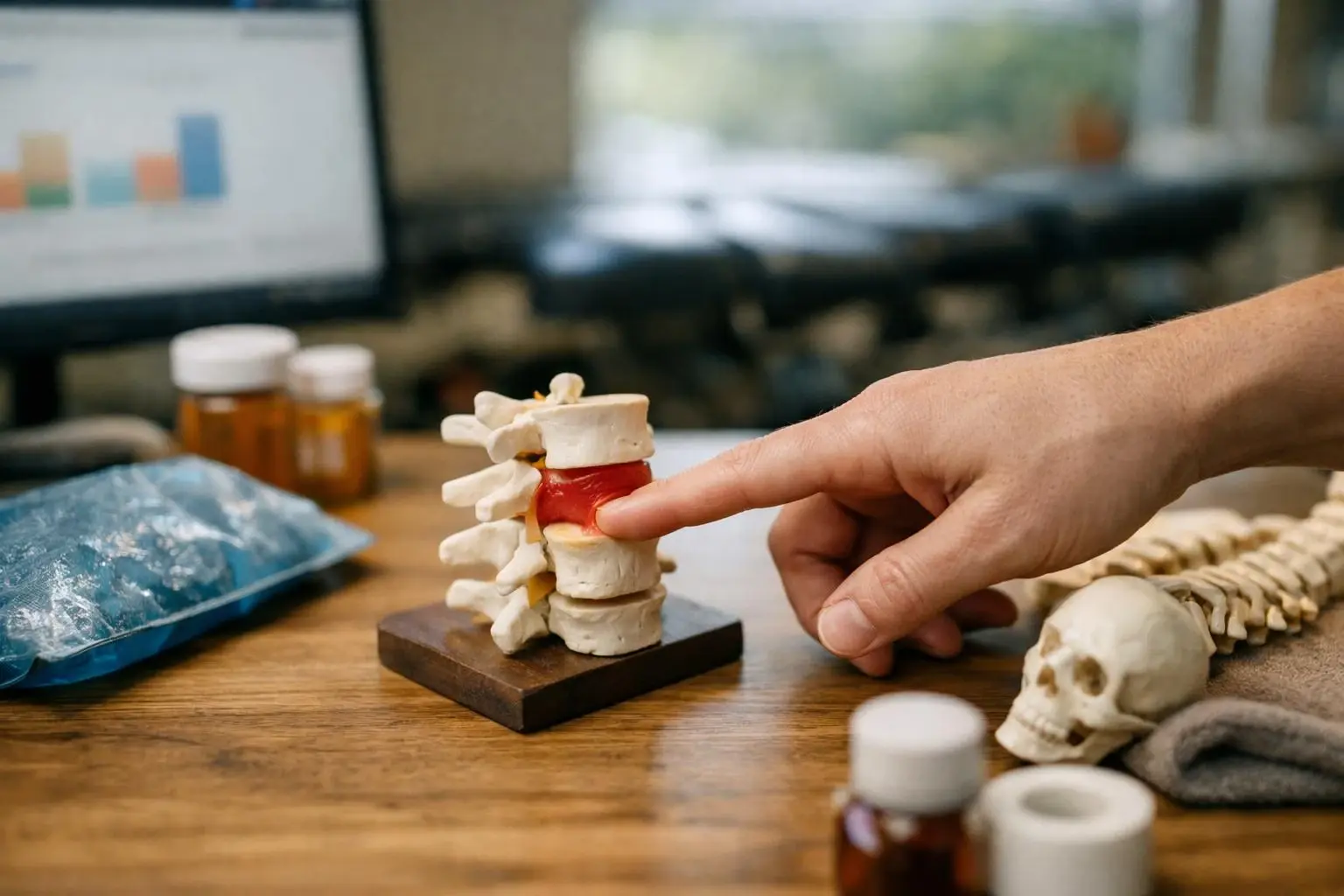
Acute Pain matters because it serves as a critical warning system for the body. Without it, people might not realize they're injured or ill, leading to further damage or complications. For instance, acute pain from a broken bone prevents movement that could worsen the injury. While pain from appendicitis signals the need for urgent medical care. Ignoring acute pain can delay diagnosis and treatment, prolonging recovery and increasing the risk of long-term issues.
Managing acute pain effectively also improves quality of life. Severe or unrelieved pain can interfere with daily activities, sleep. And mental well-being. It may cause stress, anxiety. Or depression, which can slow down the healing process. By addressing acute pain promptly, individuals can return to their normal routines faster and reduce the likelihood of developing chronic pain, which is harder to treat.
When Acute Pain Matters Most?
Acute Pain matters most in situations where timely intervention can prevent complications or worsening conditions. For example, after a car accident, slip and fall. Or sports injury, acute pain may indicate fractures, sprains. Or internal damage that requires immediate attention. In these cases, seeking care from a healthcare provider - such as a chiropractor, physical therapist. Or physician, can help diagnose the issue and start appropriate treatment before minor injuries become serious.
Acute pain also becomes important when it interferes with daily life or doesn't improve within a few days. Signs that acute pain may need professional evaluation include swelling, bruising, limited mobility, numbness. Or pain that worsens over time. And acute pain accompanied by fever, nausea. Or dizziness could signal a more serious condition, such as an infection or internal injury, requiring medical attention.
In Nashville, TN, acute pain often results from common activities like car accidents, workplace injuries. Or recreational sports. Chiropractors and other healthcare providers in the area frequently treat acute pain from whiplash, back strains. And joint sprains. Understanding when acute pain requires professional care can help individuals make informed decisions about their health and recovery.