Glossary

What is Chronic Pain?

Chronic Pain is persistent discomfort lasting three months or longer, even after an injury or illness has healed. Unlike short-term pain, chronic pain continues beyond expected recovery time and may stem from conditions like arthritis, nerve damage. Or long-term muscle tension. It often affects daily activities and requires ongoing management rather than a quick cure.

Reviewed by Advanced Injury Care ClinicSources reviewed: National Institute of Neurological Disorders and Stroke, Centers for Disease Control and Prevention

Quick Facts About Chronic Pain

Category

Medical condition

Used for

Long-term pain management

Common confusion

Mistaken for acute pain, which is short-term and resolves quickly

Also called

Persistent Pain, Long-Term Pain

Often discussed with

Back Pain Treatment, Work Injury Treatment

Key Takeaways About Chronic Pain

Understanding Chronic Pain

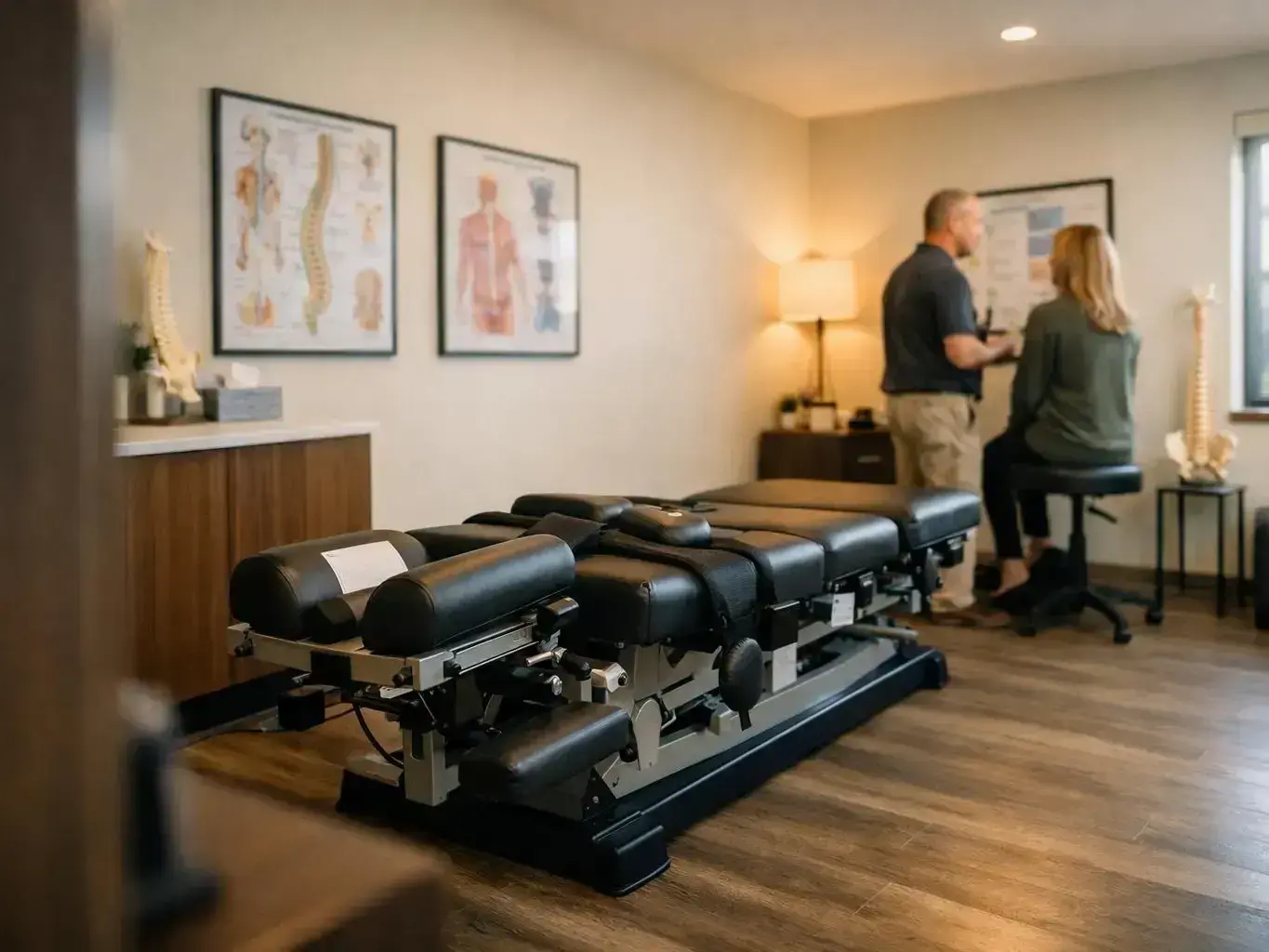
Chronic Pain in Chiropractor: Chronic Pain is persistent discomfort lasting three months or longer, even after—visual guide

Chronic pain is hard to live with. It affects millions of people. It doesn't go away like normal pain.

Related glossary terms: Acute Pain, Subacute Pain, Spinal Manipulation.

Normal pain tells you something is wrong. It fades as your body heals. Chronic pain lasts for months or years.

Pain can be anywhere in your body. It may feel dull, sharp, burning. Or stiff. Some people get it after an injury or sickness.

Others get it for no clear reason. Over time, pain can hurt your work and sleep. It can also make daily tasks hard.

This can cause stress. It can lower your quality of life.

Doctors say pain is chronic if it lasts over three months. Some say six months. Nerves play a big role in chronic pain.

Nerves can get too sensitive. They send pain signals even when nothing is wrong. Conditions like arthritis cause chronic pain.

So do fibromyalgia and nerve damage (neuropathy). Long-term muscle tension or bad posture can cause it too. So can doing the same task over and over.

Chronic pain won't just go away. You need many treatments to manage it.

How Chronic Pain Works?

Chronic pain changes how your brain works. It changes how nerves send pain signals. Pain usually warns you of danger.

For example, touching a hot stove causes sharp pain. You pull away fast. But with chronic pain, nerves stay too sensitive.

They send pain signals even after healing. This is called central sensitization. Your brain may think normal touches hurt.

Pain can come from body problems too. These include worn joints or tight muscles. A bulging disc in your back can press on a nerve.

This causes pain in your back or leg. Pain can make muscles tense. Tense muscles make pain worse.

This creates a bad cycle. Doctors check pain in many ways. They ask about your history and do exams.

They use X-rays or MRIs (pictures of your body). They also use pain scales to see how bad it is.

Why Chronic Pain Matters?

How Chronic Pain applies to Chiropractor services in Nashville, United States—practical illustration

Chronic pain hurts more than your body. It affects your whole life. Simple tasks become hard.

You may struggle to sit, lift. Or sleep. Pain can make you feel sad or worried. It can keep you from work and fun.

It can also cost a lot of money. You pay for doctor visits and medicine. You may miss work and lose pay.

Doctors treat chronic pain in special ways. Pain feels different for everyone. They treat your body and feelings.

Many experts work together. Chiropractors, therapists. And pain doctors help. They try to make you move better and hurt less.

Getting help early is important. Without care, pain can get worse.

When Chronic Pain Matters Most?

Chronic pain is a big problem when it stops your life. Back pain can make work hard. Arthritis can make stairs tough.

Pain that keeps you awake needs help. So does pain that makes you sad. Getting help early stops pain from getting worse.

Some things raise your risk of chronic pain. Jobs with the same motions can cause it. So can lifting heavy things.

Bad posture can cause pain too. Being overweight or having diabetes strains your body. Pain after an injury should fade.

If it doesn't, it may become chronic. In Nashville, TN, chiropractors see this often. People get hurt at work or in car accidents.

Age can wear out joints and backs. Seeing signs early helps. Getting care makes a big difference.


How to Evaluate Chronic Pain?

Related Concepts Compared

Chronic Pain vs. Acute Pain

Acute pain is short-term and signals an injury or illness, usually resolving within days or weeks. Chronic pain lasts months or longer and may not have a clear cause.

Chronic Pain vs. Subacute Pain

Subacute pain lasts between 6 weeks and 3 months, bridging the gap between acute and chronic pain. It often indicates a healing process that is taking longer than expected.

Chronic Pain vs. Neuropathic Pain

Neuropathic pain is a type of chronic pain caused by nerve damage, often described as burning, tingling. Or shooting. Chronic pain can include neuropathic pain but may also stem from other sources like muscles or joints.

Expert Note

Chronic pain is rarely just a physical issue—it often involves emotional and psychological factors. Addressing stress, sleep. And movement patterns can be just as important as treating the pain itself. A holistic approach improves outcomes for many patients.

Common Mistakes or Myths About Chronic Pain

  • Assuming chronic pain is just a normal part of aging and not seeking treatment.
  • Relying only on pain medications without addressing underlying causes or lifestyle factors.
  • Ignoring emotional or psychological effects, like stress or depression, that worsen chronic pain.
  • Expecting a quick cure—chronic pain often requires long-term management strategies.
  • Overlooking posture, ergonomics. Or movement habits that contribute to chronic pain.

Chronic Pain in Practice: A Real-World Example

A construction worker in Nashville, TN, injures his back lifting heavy materials. Initially, the pain fades with rest. But after three months, it returns whenever he bends or lifts. Despite physical therapy and medication, the pain persists, affecting his ability to work and enjoy hobbies like gardening. His doctor diagnoses chronic low back pain and recommends a combination of chiropractic adjustments, targeted exercises. And stress management techniques to improve his function.

Sources & Further Reading on Chronic Pain

  • National Institute of Neurological Disorders and Stroke
  • Centers for Disease Control and Prevention
  • American Chiropractic Association
  • Mayo Clinic

Related Services

Related Terms

Acute Pain

Acute Pain is sudden, sharp discomfort that lasts less than three to six months and acts as a warning signal from the body. Acute Pain typically starts after an injury, surgery. Or illness and fades as the body heals. It contrasts with long-lasting chronic pain and usually responds well to prompt treatment.

Subacute Pain

Subacute Pain is discomfort or soreness lasting longer than acute pain but not yet chronic. Subacute Pain typically begins 6 weeks after an injury or condition starts and can continue for up to 12 weeks. This stage signals healing is underway but may still need medical attention to prevent lasting problems.

Spinal Manipulation

Spinal Manipulation is a hands-on treatment technique used by chiropractors and other trained healthcare providers to improve spinal movement and reduce pain. It involves applying controlled force to joints in the spine that have become restricted in their motion, often due to injury, poor posture. Or repetitive stress. The goal is to restore proper alignment, ease muscle tension. And support the body’s natural healing process.

Myofascial Release

Myofascial Release is a hands-on therapy technique that gently applies sustained pressure to tight or restricted areas of the body’s fascia—the thin, web-like connective tissue surrounding muscles, bones. And organs. This method aims to relieve pain, restore motion. And improve function by releasing tension in the fascia, often caused by injury, inflammation. Or poor posture.

Advanced Injury Care Clinic

Have Questions About Chronic Pain?

Contact Advanced Injury Care Clinic for practical guidance on Chronic Pain and related chiropractor work in Nashville.

+1 615-777-0624