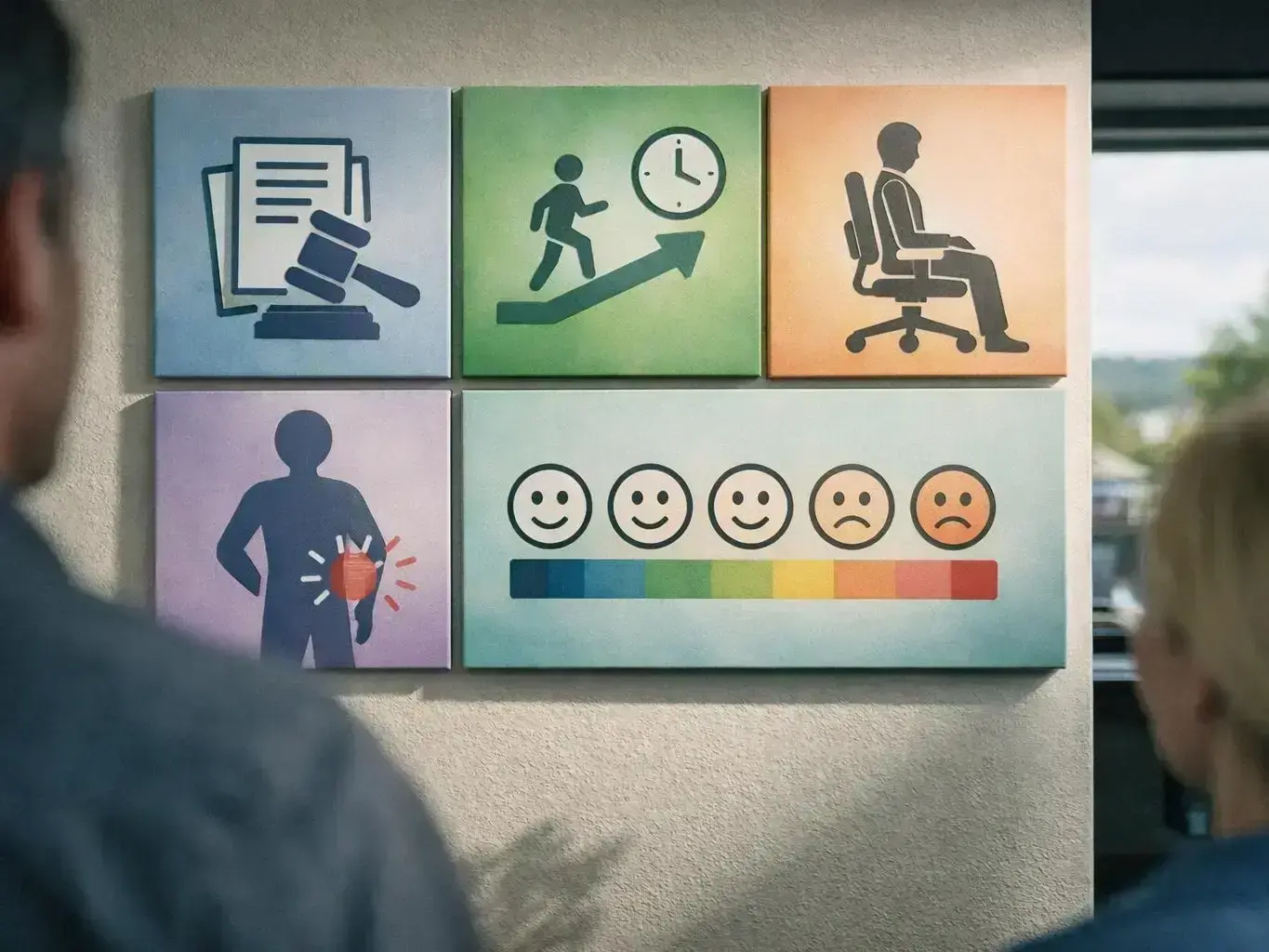
Understanding Subacute Pain
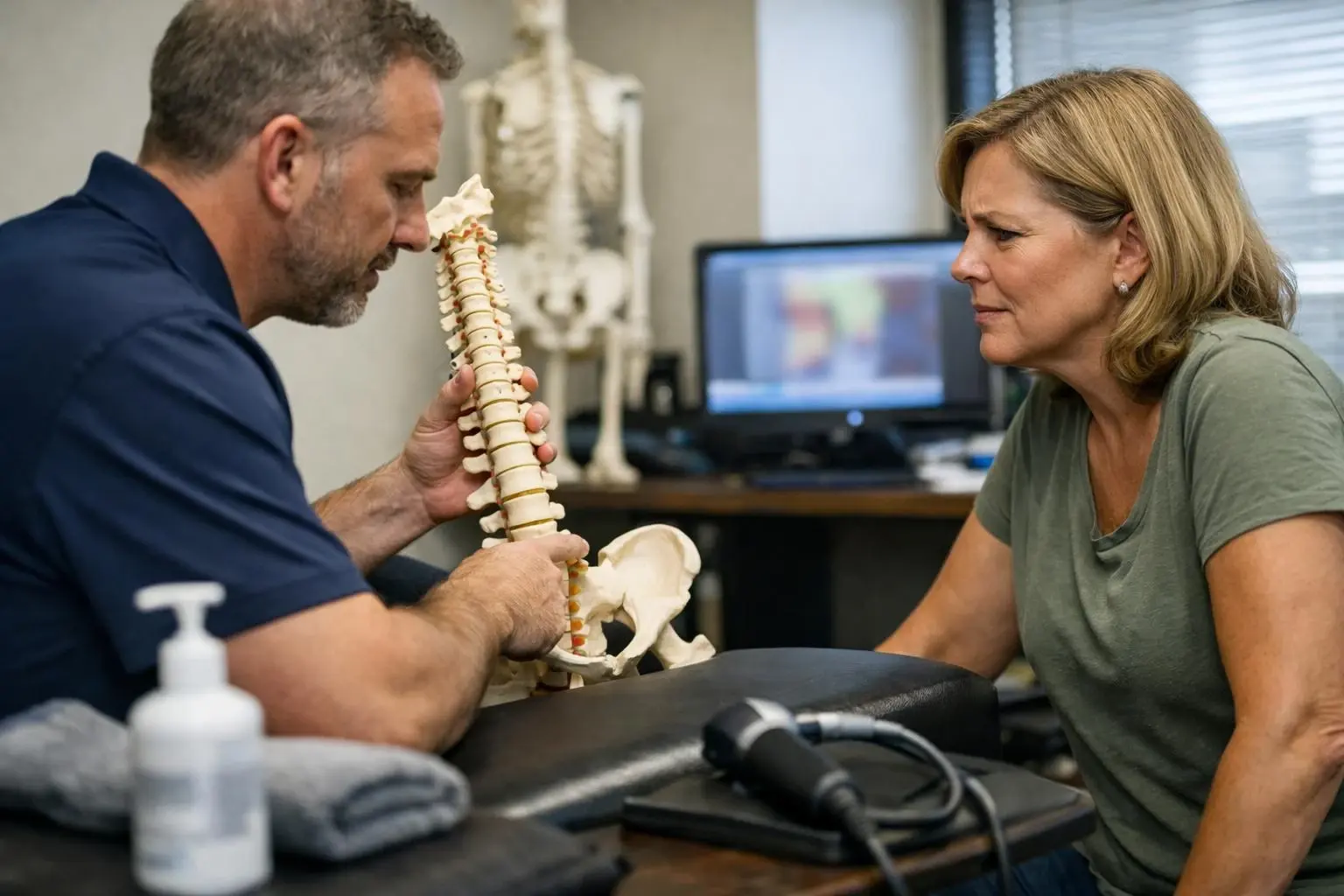
Subacute Pain is a specific phase in the healing timeline that occurs after the initial acute pain but before pain becomes chronic. When an injury happens—like a sprained ankle, pulled muscle. Or back strain—the body reacts with acute pain, which usually lasts up to 6 weeks. If the pain continues beyond that point but hasn’t yet reached the 12-week mark, it enters the subacute stage. This period is important because it shows the body is trying to repair itself. But something may still be interfering with full recovery.
Related glossary terms: Acute Pain, Chronic Pain, Soft Tissue Injury.
During the subacute phase, pain often feels less intense than acute pain but can still limit daily activities. For example, someone recovering from a car accident might find it easier to move around than in the first few weeks but still feel stiffness or soreness when sitting for long periods. This stage is a critical window for treatment because addressing the underlying issue now can help avoid long-term problems like chronic pain or permanent mobility limitations.
How Subacute Pain Is Identified and Managed?
Healthcare providers identify Subacute Pain by tracking how long the pain has lasted and assessing its characteristics. Unlike acute pain, which is sharp and sudden, subacute pain often feels dull, achy. Or stiff. It may come and go depending on activity levels or time of day. Providers also look for signs of healing, such as reduced swelling or improved range of motion, to confirm the body is recovering but hasn’t fully healed yet.
For local customers, Treatment during the subacute stage focuses on supporting the body’s natural healing process while preventing further damage. Chiropractic care, physical therapy. And targeted exercises are common approaches. For instance, gentle spinal adjustments can help realign joints that may be contributing to lingering pain. While stretches and strengthening exercises improve flexibility and muscle support. Ice or heat therapy may also be used to manage inflammation and ease discomfort. The goal is to help the body finish healing properly so pain doesn’t become a long-term issue.
Why Subacute Pain Matters?

Subacute Pain is a key signal that the body is healing but may need extra support to recover fully. Ignoring this stage can lead to chronic pain, which is harder to treat and can significantly impact quality of life. For example, someone with subacute back pain who avoids treatment might develop long-term stiffness or weakness, making it difficult to work, exercise. Or even perform simple tasks like lifting groceries. Addressing subacute pain early can prevent these complications and help people return to their normal activities faster.
This stage also matters because it’s often the last chance to correct problems before they become permanent. For example, if a joint isn’t properly aligned during the subacute phase, it may lead to wear and tear over time, increasing the risk of arthritis or other degenerative conditions. By addressing subacute pain with appropriate care, patients can reduce the likelihood of needing more invasive treatments, such as surgery or long-term medication, later on.
When Subacute Pain Matters Most?
Subacute Pain becomes especially important after injuries like car accidents, sports injuries. Or workplace incidents. For example, someone who experiences whiplash in a car crash might feel better after a few weeks but still have lingering neck pain or headaches. If this pain isn’t addressed during the subacute stage, it could develop into chronic neck pain or migraines, making daily life more difficult.
This stage also matters for people recovering from surgeries or medical procedures. For instance, someone who undergoes knee surgery might experience subacute pain as they start physical therapy. Managing this pain effectively can help them regain strength and mobility faster, reducing the risk of complications like stiffness or muscle weakness. And subacute pain is a concern for individuals with repetitive strain injuries, such as office workers with wrist or shoulder pain. Addressing these issues early can prevent them from worsening and requiring more extensive treatment.
In Nashville, TN, where car accidents and workplace injuries are common, recognizing and treating subacute pain can make a big difference in recovery outcomes. Chiropractic clinics in the area often see patients during this stage, helping them avoid long-term pain and get back to their normal routines. For example, a construction worker with subacute back pain from lifting heavy materials might benefit from chiropractic adjustments and targeted exercises to prevent chronic pain and maintain their ability to work.