Understanding Soft Tissue Injury
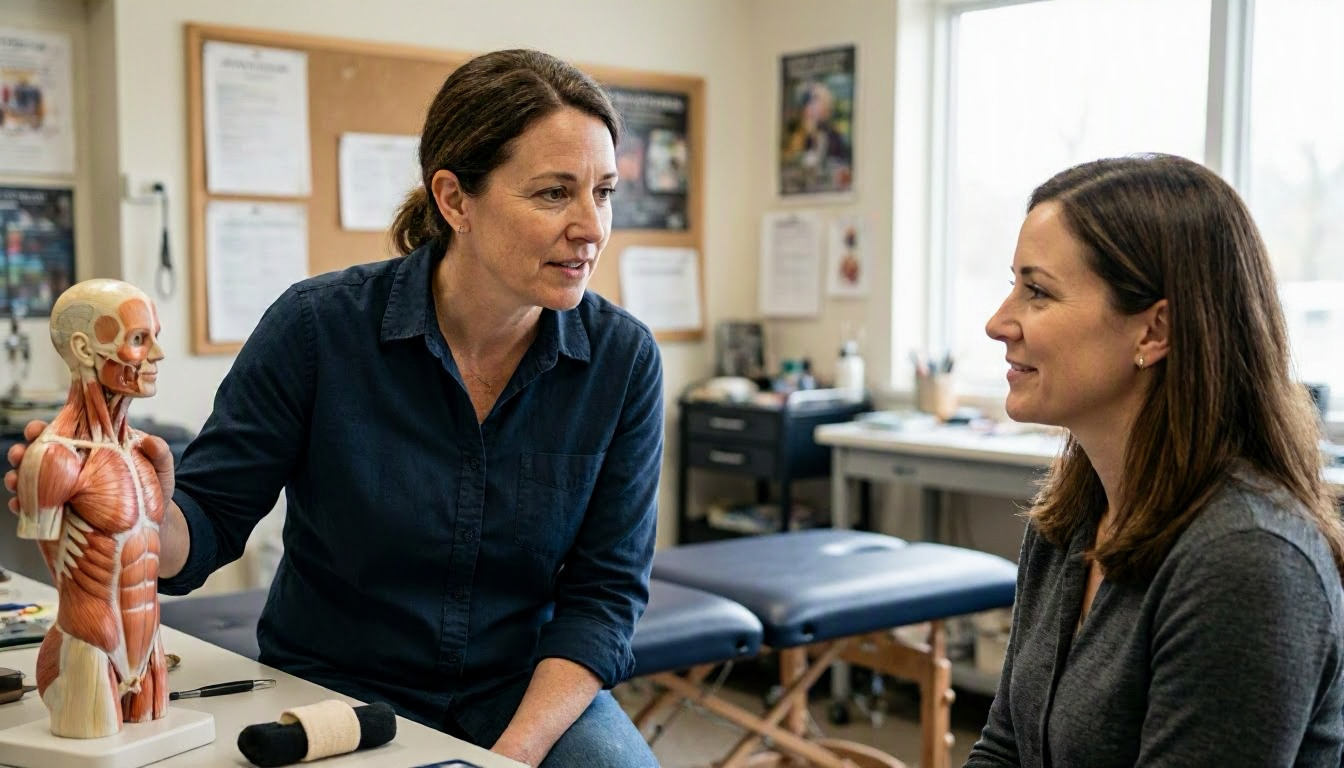
Soft Tissue Injury means damage to soft parts of the body. These parts include muscles, tendons. And ligaments. They also include fascia (thin tissue), nerves. And blood vessels.
Related glossary terms: Muscle Strain, Ligament Damage, Herniated Disc.
These injuries are not like broken bones. They hurt the parts that connect or support bones and organs. Soft tissues can get hurt in many ways.
You might get hurt from a fall or car crash. Overstretching or doing the same motion over and over can also cause harm. Even bad posture over time can hurt soft tissues.
Soft tissues help you move and stay steady. Even small injuries can cause big pain. They can also make daily tasks hard to do.
Both athletes and regular people get these injuries. A sprained ankle from stepping wrong is one example. A strained back from lifting something heavy is another.
Many injuries heal on their own with rest. Some need a doctor's help to avoid long-term problems. Problems like ongoing pain or stiffness can happen.
Watch for signs like pain, swelling. Or bruising. Weakness is another sign. Spotting them early helps you take care of the injury.
How Soft Tissue Injury Works?
When soft tissues get hurt, the body starts to heal. It does this with inflammation (swelling). This is a natural process.
Inflammation brings more blood to the hurt area. This helps remove damaged cells. It also brings nutrients to help fix the injury.
But inflammation can also cause pain. It can make the area swell and feel warm. The hurt may be mild, moderate. Or severe.
Mild injuries may only stretch the tissue a little. Tiny tears can also happen. Severe injuries may tear the tissue completely.
Bad tears might need surgery. The body heals soft tissues in three steps. First is inflammation, then repair. And last is remodeling.
In the repair stage, the body makes collagen. Collagen is a protein that helps rebuild tissue. For many people, this is what makes the difference.
The last stage makes the new tissue stronger. It helps the tissue work right again. This can take days or even months.
How long it takes depends on how bad the injury is. Your health also matters. Rest, ice. And elevation can help you heal faster.
Why Soft Tissue Injury Matters?
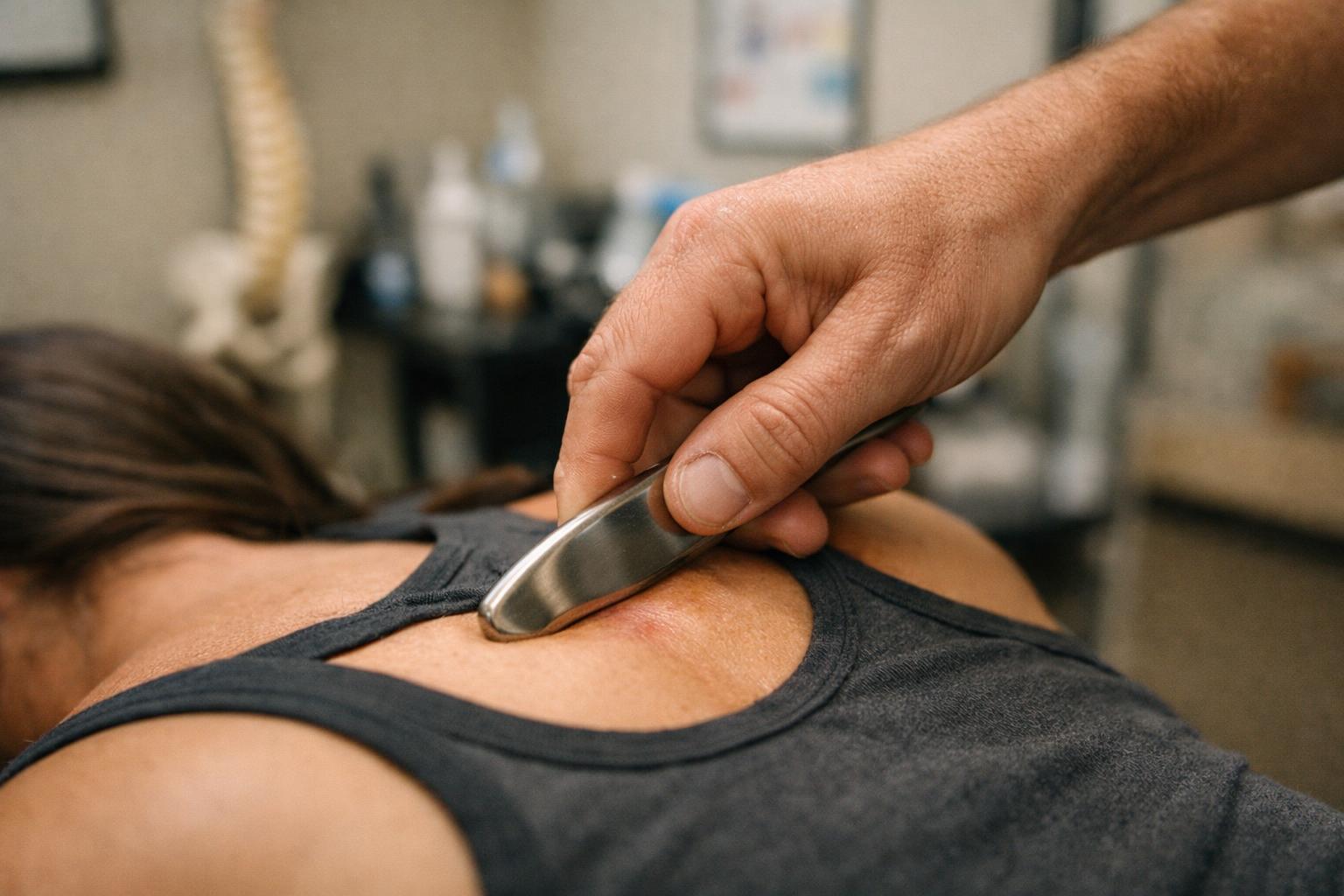
Soft Tissue Injuries matter because they affect your life. They can make work or fun activities hard. If not treated, they can cause lasting problems.
A small muscle strain might heal in a week. A bad ligament tear could take months. It might even need surgery.
Hurting the same area over and over can weaken it. This makes future injuries more likely. It can cause long-term problems too.
These injuries can also cost money. Medical bills and time off work add up. They can also affect how you feel.
Being hurt can make you frustrated. You might not move as well as before. You could miss doing things you love.
Seeing a doctor early can help. The right treatment leads to faster healing. Knowing about these injuries helps you take care of yourself.
When Soft Tissue Injury Matters Most?
Soft Tissue Injuries matter most when they affect daily life. Athletes may feel pain during sports. It can hurt their performance or cause more injuries.
People with active jobs can get hurt too. Construction workers and nurses lift and move a lot. They can get hurt from doing the same motions over and over.
Getting help fast can keep you from missing too much work. It can also help you get back to your activities safely.
These injuries can happen after accidents too. Car crashes, slips. And falls can cause harm. Some injuries, like whiplash, may not show up right away.
They can get worse if not treated. Even small symptoms need a doctor's check. This is very important after an accident.
Some people heal slower. This includes those with arthritis or diabetes. They need to see a doctor early.
Knowing when injuries might happen helps you stay safe. Warm up before exercise. Use tools that help you sit or stand right. Wear protective gear when needed.