Understanding Manual Therapy
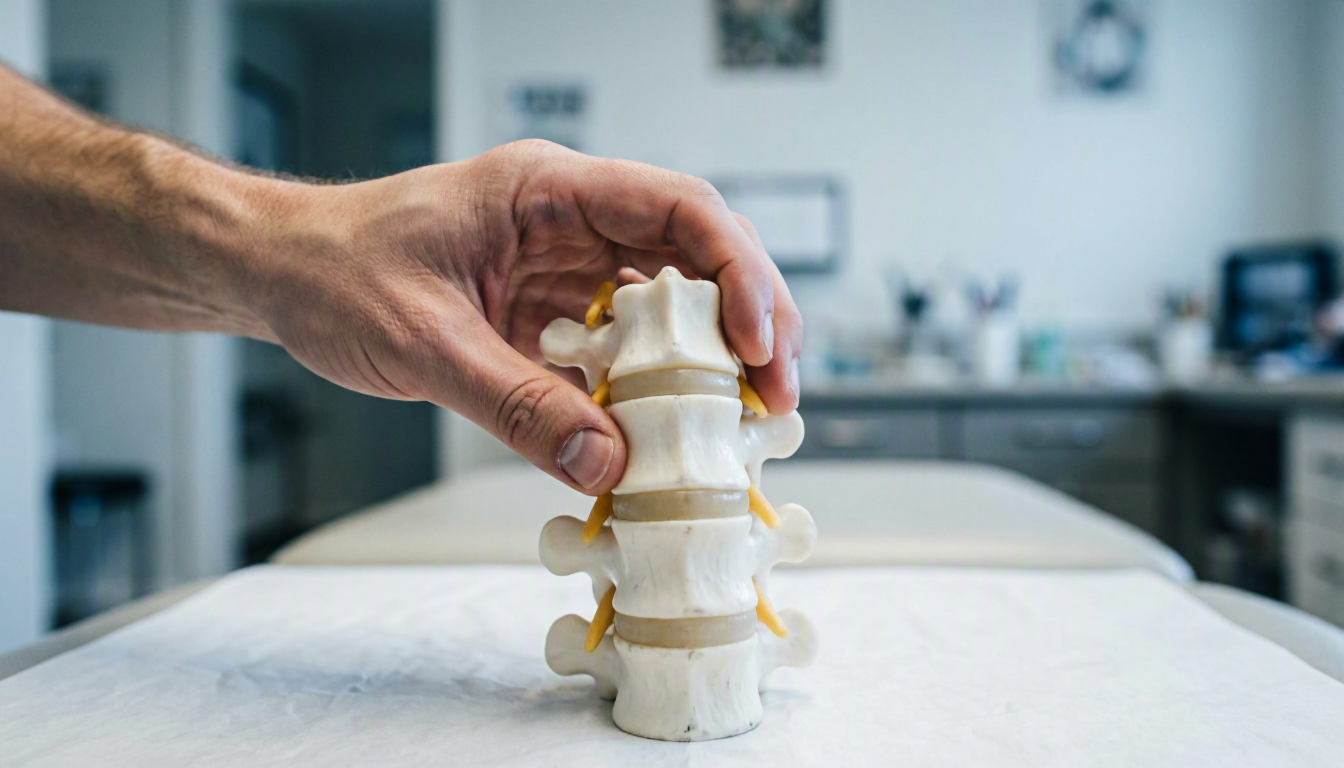
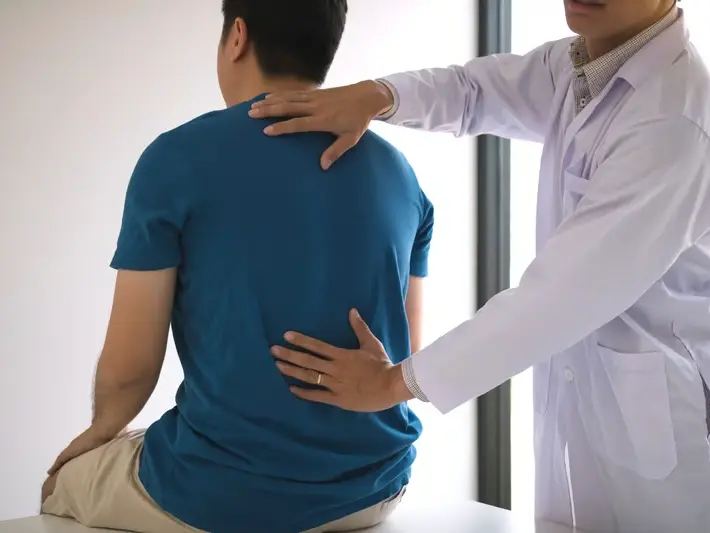
Manual Therapy is a specialized form of physical treatment where healthcare providers use their hands to apply pressure, move joints. And manipulate soft tissues. This approach is based on the idea that restricted movement in muscles, joints. Or connective tissues can cause pain, stiffness. And reduced function. By using precise, controlled techniques, providers aim to restore normal movement, reduce discomfort. And help the body heal naturally. Manual Therapy is commonly used in chiropractic care, physical therapy. And osteopathic medicine.
Related glossary terms: Chiropractic Adjustment, Myofascial Release, Spinal Manipulation.
Unlike passive treatments such as heat or ultrasound, Manual Therapy is interactive and often custom to each patient’s specific needs. A provider may use gentle oscillations to loosen a stiff joint, apply sustained pressure to release muscle tension. Or guide a patient through resisted movements to improve strength and coordination. The techniques are chosen based on the patient’s symptoms, medical history. And physical examination. While some methods may cause temporary discomfort, they should never be painful or unsafe when performed by a licensed professional.
How Manual Therapy Works?
Manual Therapy works by addressing mechanical and neurological factors that contribute to pain and dysfunction. For example, joint mobilizations involve slow, rhythmic movements that help restore normal joint play—tiny movements that are essential for smooth, pain-free motion. When a joint becomes stiff or restricted, these movements can become limited, leading to inflammation and pain. By gently mobilizing the joint, a provider can reduce stiffness, improve circulation. And stimulate the nervous system to decrease pain signals.
Soft tissue techniques, such as myofascial release or deep tissue work, target muscles, tendons. And ligaments. These methods help break up adhesions—bands of tight tissue that can form after injury or overuse—and improve blood flow to the area. This can reduce muscle spasms, improve flexibility. And speed up healing. Some Manual Therapy techniques also involve active participation from the patient, such as muscle energy techniques, where the patient contracts a muscle against resistance provided by the therapist. This helps reset muscle tension and improve joint alignment.
Manual Therapy is not a one-size-fits-all solution. Providers assess each patient’s condition and adjust their techniques accordingly. For instance, someone with a herniated disc may benefit from gentle traction and mobilization. While someone with a muscle strain may need targeted soft tissue work. The goal is always to improve mobility, reduce pain. And help the patient return to their daily activities without relying on medication or surgery.
Why Manual Therapy Matters?
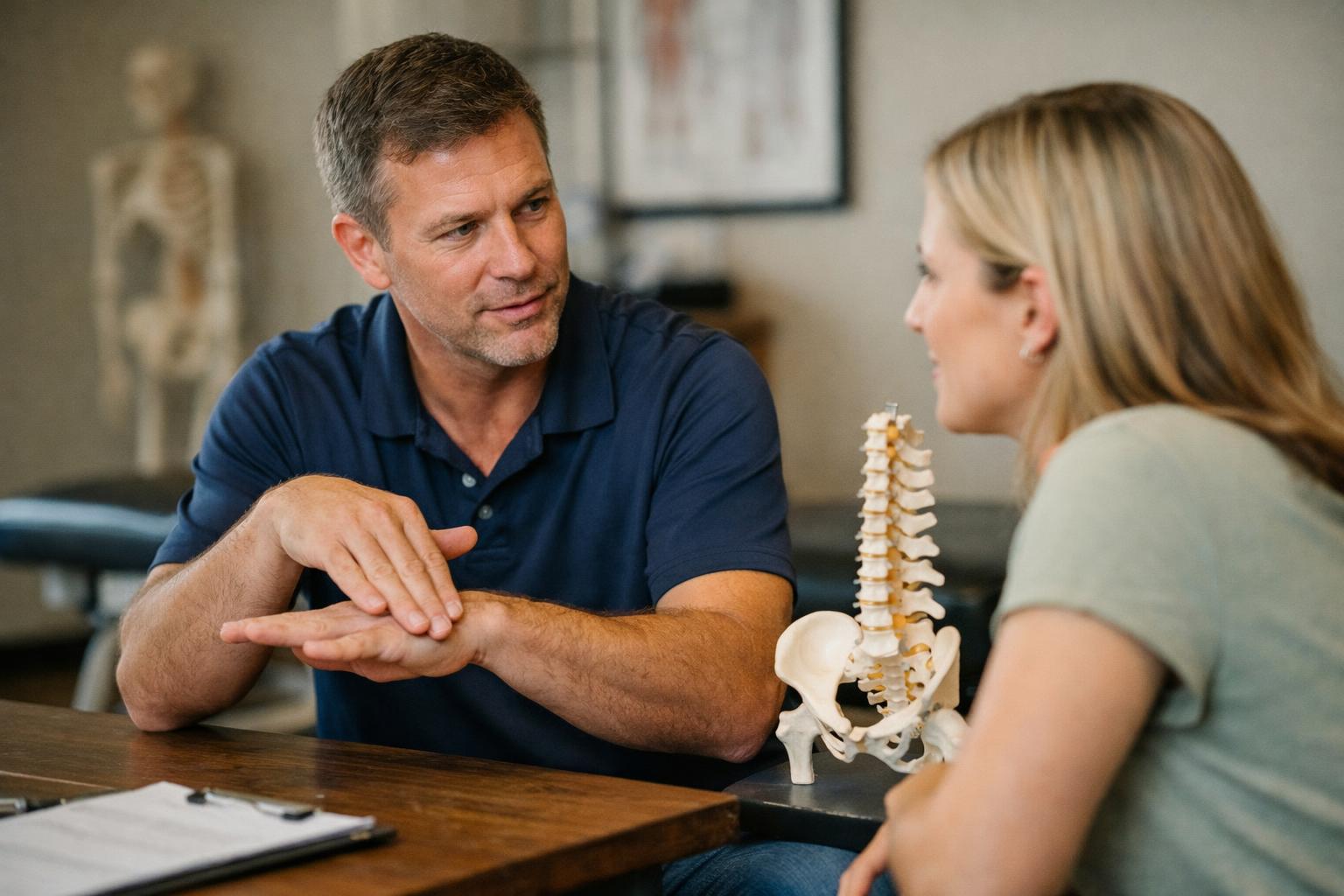
Manual Therapy matters because it offers a drug-free, non-invasive way to manage pain and improve physical function. Many people seek Manual Therapy for conditions like back pain, neck pain, headaches. And joint stiffness, which can significantly impact quality of life. Unlike medications, which may only mask symptoms, Manual Therapy aims to address the root cause of the problem, such as joint restrictions, muscle imbalances. Or poor movement patterns. This can lead to longer-lasting relief and a reduced risk of recurring issues.
Another key benefit of Manual Therapy is its ability to complement other treatments. For example, a patient recovering from a car accident might receive Manual Therapy to reduce muscle tension and improve joint mobility. While also doing prescribed exercises to strengthen weakened muscles. This combination can speed up recovery and help the patient regain confidence in their body’s ability to move and function. Manual Therapy is also valuable for athletes, office workers. And older adults, as it can help prevent injuries, improve performance. And maintain mobility as the body ages.
When Manual Therapy Matters Most?
Manual Therapy is most beneficial in situations where pain or stiffness is limiting daily activities, work. Or exercise. For example, someone with chronic lower back pain may find it difficult to sit for long periods, lift objects. Or even sleep comfortably. Manual Therapy can help restore movement in the spine and pelvis, making these activities easier and less painful. Similarly, someone recovering from a sports injury, such as a sprained ankle or shoulder strain, may benefit from Manual Therapy to reduce swelling, improve range of motion. And prevent stiffness as the injury heals.
Manual Therapy is also important for people dealing with conditions like sciatica, carpal tunnel syndrome. Or tension headaches. In these cases, tight muscles or restricted joints can compress nerves, leading to pain, numbness. Or tingling. By addressing these restrictions, Manual Therapy can relieve pressure on the nerves and reduce symptoms. And Manual Therapy can be helpful for people with postural issues, such as rounded shoulders or forward head posture, which can develop from prolonged sitting or repetitive movements. Correcting these imbalances can prevent long-term problems like joint wear and tear or chronic pain.
A practical next step is In Nashville, TN, Manual Therapy is commonly used by chiropractors and physical therapists to help patients recover from car accidents, work injuries. And sports-related issues. The city’s active lifestyle - whether from outdoor activities, music industry jobs. Or office work, can lead to musculoskeletal strain, making Manual Therapy a valuable tool for maintaining health and mobility.