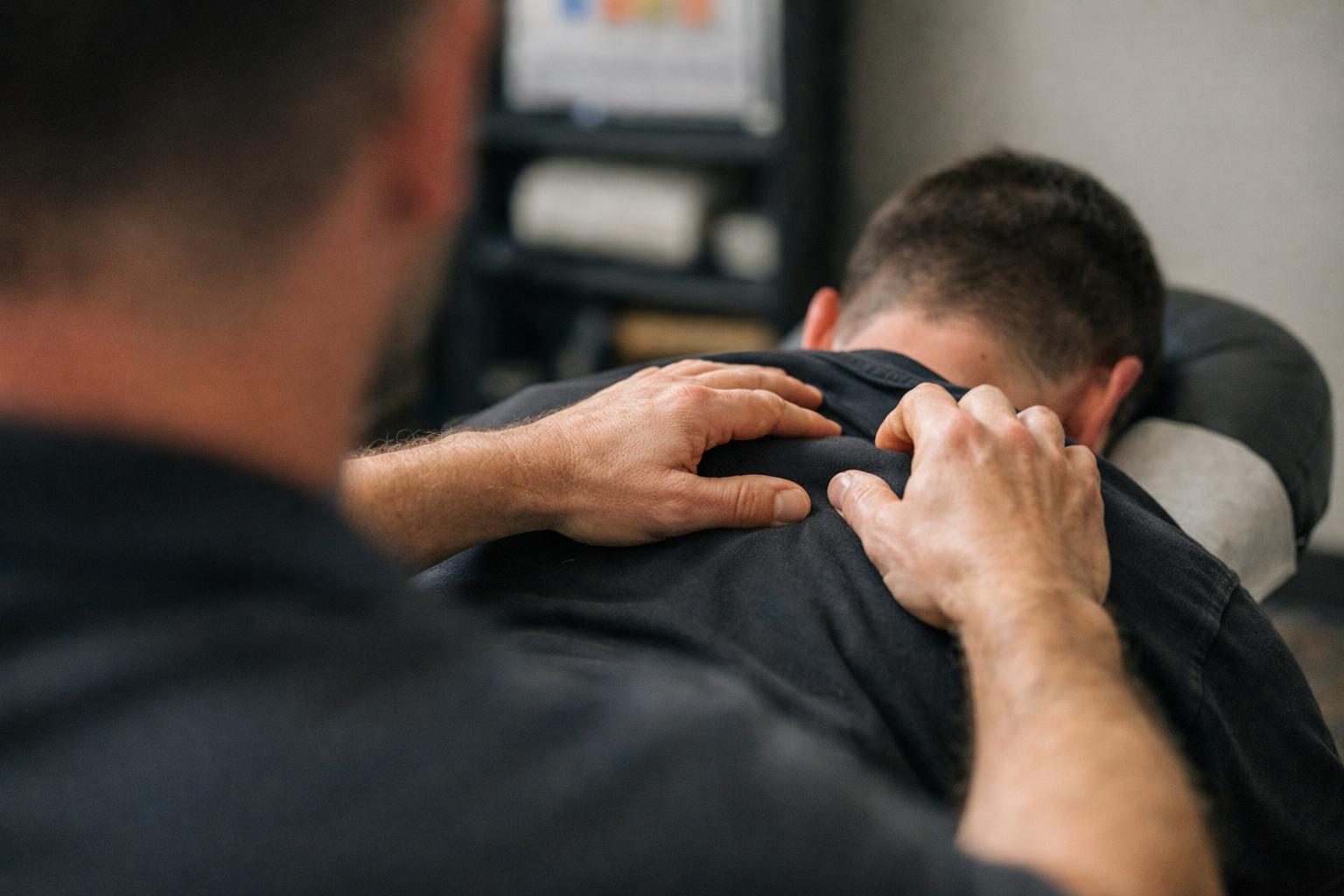
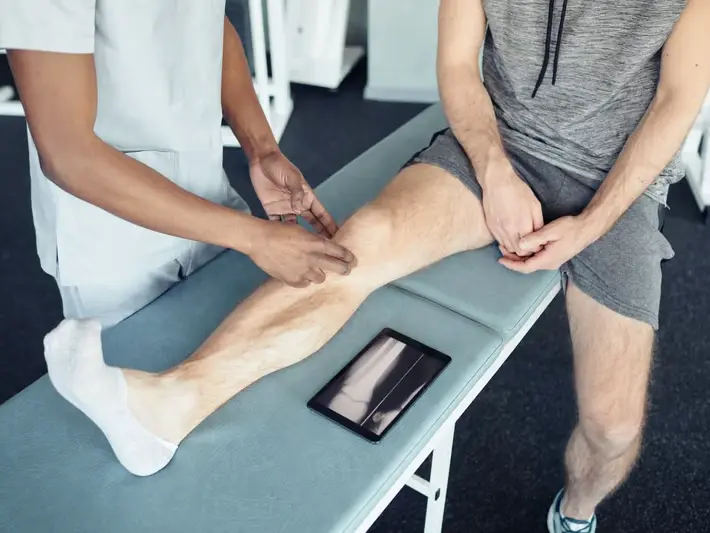
Myofascial Release is a hands-on therapy technique that gently applies sustained pressure to tight or restricted areas of the body’s fascia—the thin, web-like connective tissue surrounding muscles, bones. And organs. This method aims to relieve pain, restore motion. And improve function by releasing tension in the fascia, often caused by injury, inflammation. Or poor posture.
Category
Manual therapy technique
Used for
Pain relief, mobility improvement, injury recovery
Common confusion
Often mistaken for deep tissue massage. But focuses on fascia, not just muscles
Also called
MFR, Myofascial Therapy
Often discussed with
Car Accident Injury Treatment, Work Injury Treatment

Myofascial Release is a type of manual therapy designed to address restrictions in the fascia, the connective tissue that surrounds and supports every structure in the body. Fascia can become tight or restricted due to injury, overuse, inflammation. Or poor posture, leading to pain, stiffness. And reduced range of motion. Unlike traditional massage, which primarily targets muscles, Myofascial Release focuses on the fascia itself, using slow, sustained pressure to stretch and release tight areas.
Related glossary terms: Soft Tissue Injury, Chiropractic Care, Trigger Point Therapy.
This technique is often used to treat conditions like chronic back pain, headaches, sciatica. And sports injuries. It's also helpful for people recovering from surgeries or accidents, as scar tissue and adhesions can form in the fascia, limiting movement and causing discomfort. Myofascial Release is typically performed by trained therapists, including chiropractors, physical therapists. And massage therapists, who use their hands to detect and treat restrictions in the fascia.
Myofascial Release works by applying gentle, sustained pressure to areas where the fascia is tight or restricted. The therapist begins by assessing the body for areas of tension, often using their hands to feel for tightness, knots. Or adhesions in the fascia. Once these areas are identified, the therapist applies slow, deliberate pressure to stretch and release the fascia. This pressure may be held for several minutes, allowing the fascia to gradually soften and lengthen.
A common issue is The process is often described as a form of "unwinding," as the fascia responds to the pressure by releasing tension and restoring its natural elasticity. Patients may feel a warming sensation, mild discomfort. Or a sense of release as the fascia begins to relax. Because fascia is interconnected throughout the body, Myofascial Release can have effects beyond the treated area, improving overall mobility and reducing referred pain—pain that originates in one area but is felt in another.
Myofascial Release can be performed directly on the skin or over clothing, depending on the therapist’s approach and the patient’s comfort. Some therapists may use tools, such as foam rollers or specialized instruments, to assist with the release. Though hands-on techniques are the most common. The goal is to restore balance to the fascial system, allowing the body to move more freely and with less pain.

Myofascial Release matters because tight or restricted fascia can contribute to a wide range of physical problems, from chronic pain to limited mobility. When fascia becomes tight, it can compress nerves, blood vessels. And muscles, leading to discomfort, inflammation. And reduced function. For example, tight fascia in the lower back can contribute to sciatica. While restrictions in the neck and shoulders can cause tension headaches or jaw pain. By releasing these restrictions, Myofascial Release can help alleviate pain, improve posture. And boost overall movement.
Another key benefit of Myofascial Release is its ability to address the root cause of pain, rather than just masking symptoms. Many traditional treatments, such as pain medications or temporary stretches, focus on short-term relief. Myofascial Release. But targets the underlying fascial restrictions that contribute to pain and dysfunction. This makes it a valuable tool for long-term recovery, particularly for people dealing with chronic conditions, repetitive strain injuries. Or post-surgical stiffness.
Myofascial Release is particularly important for individuals dealing with chronic pain, injuries. Or conditions that limit mobility. It is often recommended for people recovering from car accidents, sports injuries. Or surgeries, as these events can cause scar tissue and adhesions to form in the fascia. And Myofascial Release can be beneficial for those with postural imbalances, such as desk workers or athletes, who develop tightness from repetitive movements or prolonged sitting.
This technique is also valuable for people who have not found relief from other treatments, such as medication, traditional massage. Or chiropractic adjustments. Because Myofascial Release targets the fascial system—a often overlooked component of musculoskeletal health—it can provide relief where other therapies have failed. It is commonly used alongside other treatments, such as chiropractic care, physical therapy. Or exercise rehabilitation, to boost overall results and support long-term recovery.
Deep Tissue Massage focuses on relieving tension in muscles using firm pressure. While Myofascial Release targets the fascia, using gentle, sustained pressure to release restrictions.
Trigger Point Therapy applies pressure to specific knots in muscles to relieve pain. While Myofascial Release addresses the broader fascial system to improve overall mobility.
Chiropractic Adjustments focus on realigning joints, particularly in the spine. While Myofascial Release targets the soft tissue (fascia) surrounding muscles and organs.
Myofascial Release is not a one-size-fits-all technique. The amount of pressure, duration. And areas treated should be tailored to the patient’s specific needs, as fascia responds differently depending on the level of restriction and the individual’s pain tolerance.
After a car accident, a patient experiences chronic neck pain and stiffness that doesn’t improve with traditional massage or chiropractic adjustments. A therapist trained in Myofascial Release assesses the patient’s fascia and finds tightness in the neck and shoulders. Using gentle, sustained pressure, the therapist releases the restrictions, reducing pain and improving the patient’s range of motion over several sessions.
Soft Tissue Injury is damage to the body’s muscles, tendons, ligaments. Or other non-bony structures caused by sudden trauma, overuse. Or repetitive strain. Soft Tissue Injury often results in pain, swelling, bruising. Or limited movement and can occur during sports, accidents. Or daily activities. These injuries typically heal with rest, ice, compression.
Chiropractic Care is a healthcare discipline focused on diagnosing and treating musculoskeletal disorders, particularly those related to the spine. Chiropractic Care emphasizes manual adjustments, spinal manipulation. And other non-surgical techniques to alleviate pain, improve mobility.
Trigger Point Therapy is a manual treatment method that targets tight, painful knots in muscles called trigger points. These knots can cause localized pain or refer pain to other areas of the body. The therapy involves applying pressure to the trigger points to release tension, improve blood flow. And reduce pain, often used by chiropractors, physical therapists.
Chronic Pain is persistent discomfort lasting three months or longer, even after an injury or illness has healed. Unlike short-term pain, chronic pain continues beyond expected recovery time and may stem from conditions like arthritis, nerve damage. Or long-term muscle tension. It often affects daily activities and requires ongoing management rather than a quick cure.
Spinal Manipulation is a hands-on treatment technique used by chiropractors and other trained healthcare providers to improve spinal movement and reduce pain. It involves applying controlled force to joints in the spine that have become restricted in their motion, often due to injury, poor posture. Or repetitive stress. The goal is to restore proper alignment, ease muscle tension. And support the body’s natural healing process.
Advanced Injury Care Clinic
Contact Advanced Injury Care Clinic for practical guidance on Myofascial Release and related chiropractor work in Nashville.