Understanding Muscle Strain
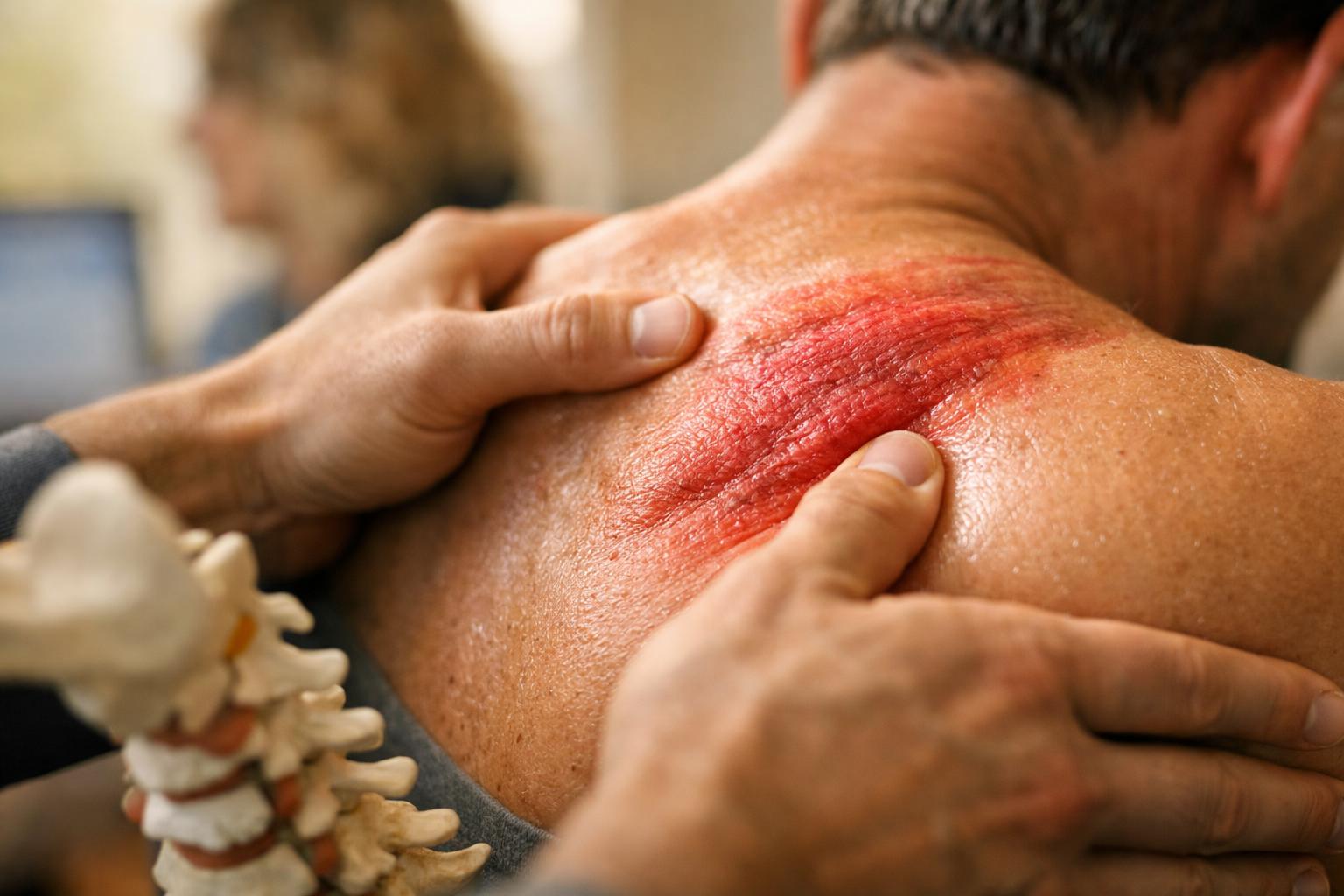
Muscle strain happens when muscles stretch too far. It can also happen when they tear. This injury is common in daily life.
You can get a strain from lifting heavy boxes. Sudden moves in sports can also cause it. Muscles and tendons help you move and support joints.
When they get strained, simple tasks hurt. Walking or reaching may become painful. Strains often happen in the back, neck, shoulders. And legs.
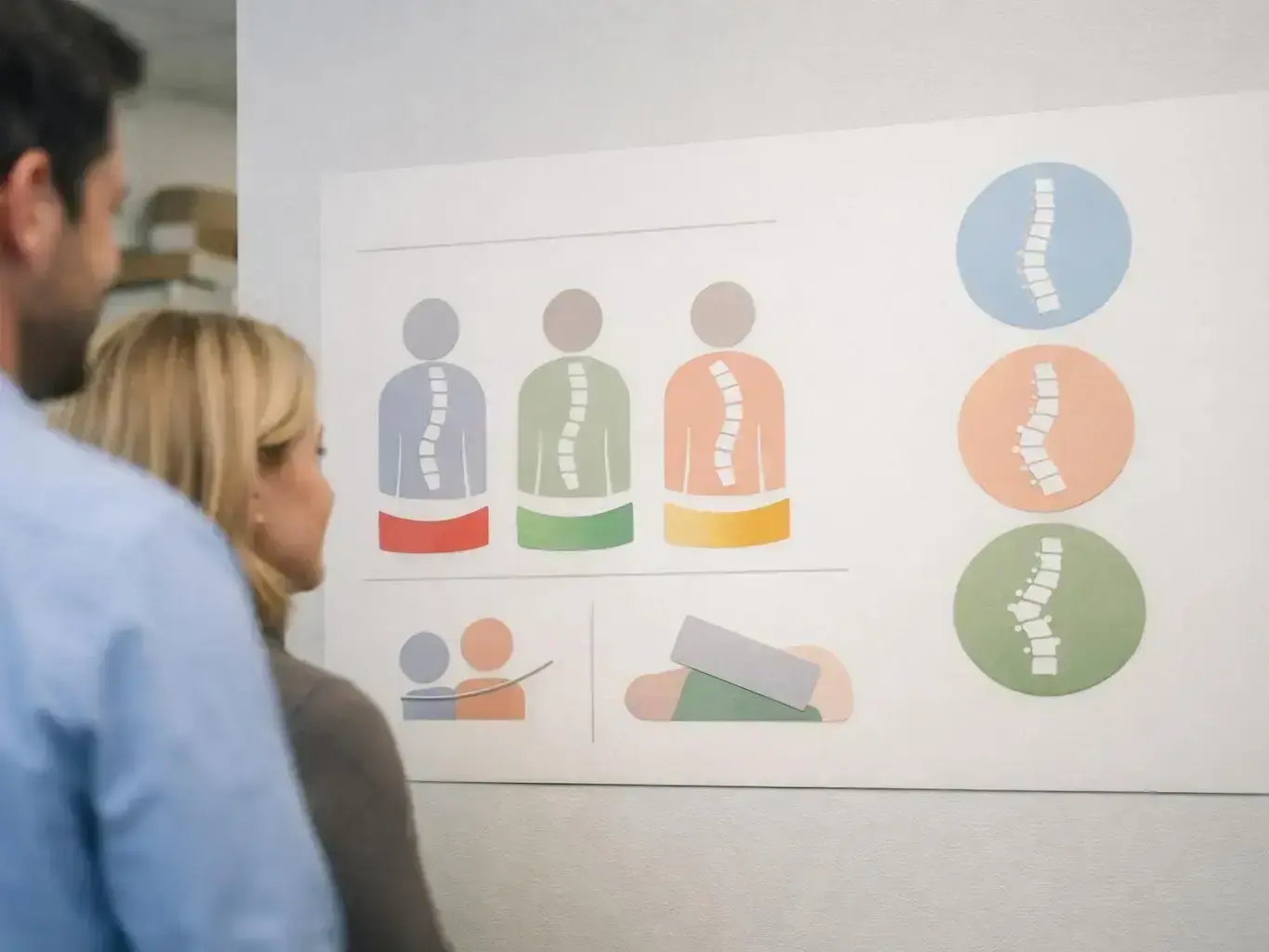
Muscle strains have three levels. A mild strain is called Grade I. It means slight stretching and little damage.
It causes mild pain but little trouble moving. A moderate strain is Grade II. More fibers tear in this case.
You'll feel more pain, swelling. And weakness. A severe strain is Grade III. The muscle or tendon tears completely.
This causes strong pain and swelling. You won't be able to use the hurt area. Mild strains may heal with care at home.
Severe strains need a doctor. This helps avoid problems like lasting weakness. It also stops scar tissue from building up.
How Muscle Strain Works?
Muscle strains happen when a muscle gets too much force. The muscle or tendon can't handle it. This can stretch or tear the muscle.
Muscles work by contracting and relaxing. They help you move. If a muscle stretches too far, it can tear.
Lifting heavy things wrong can hurt your back. Running fast without warming up can hurt your leg. Doing the same motion over and over can weaken muscles too.
The body heals strains with swelling. This is called inflammation (when your body gets red and puffy). Blood flows to the hurt area.
It brings things that help fix the damage. Swelling makes the area warm and sore. This tells you to rest the muscle.
Too much swelling can slow healing. Ice, pressure. And raising the area help. Mild strains get better in days.
Bad strains take weeks or months to heal.
Why Muscle Strain Matters?
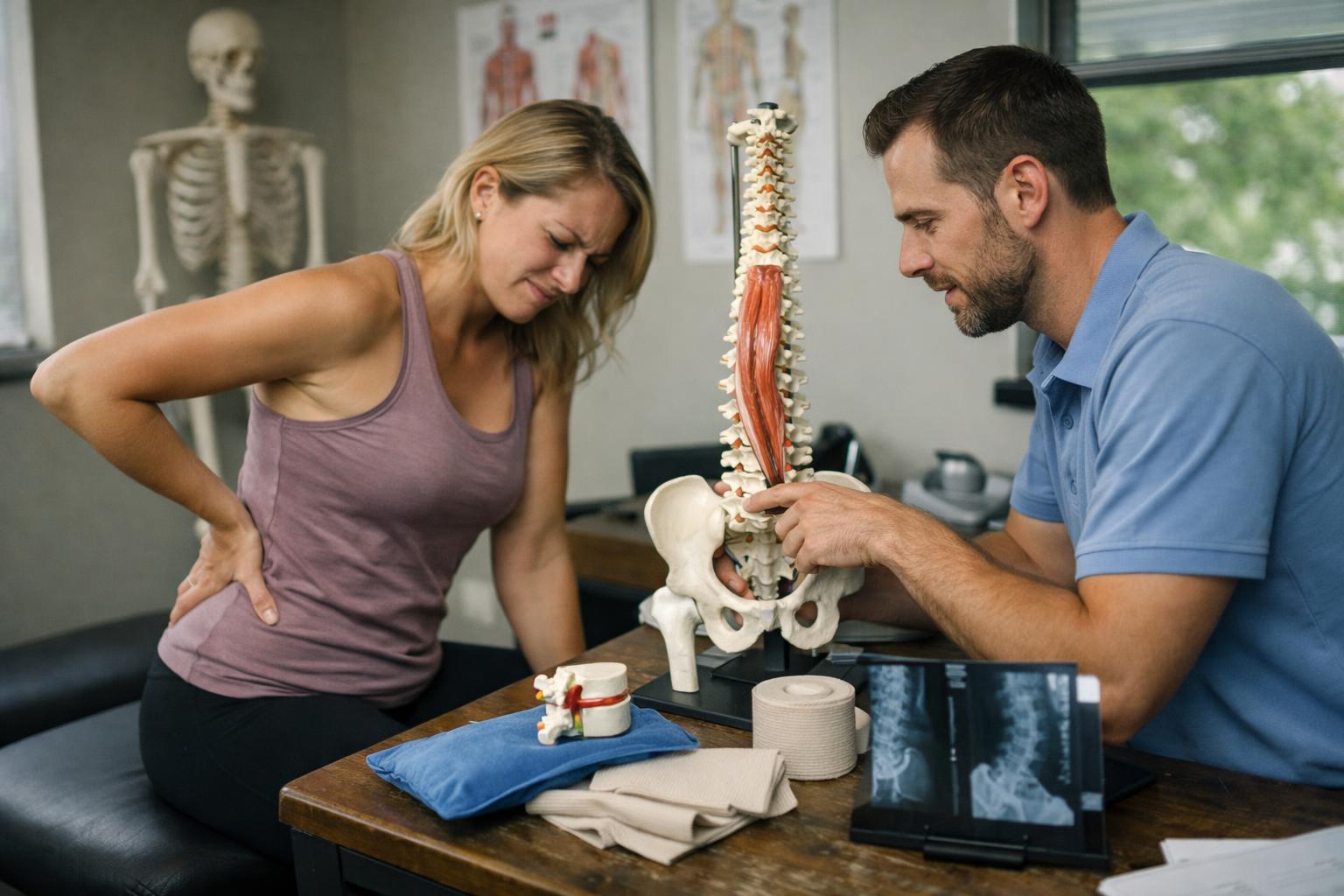
Muscle strains matter because they hurt daily life. Even a small strain can make moving hard. It can make work, exercise. Or chores tough.
Athletes may have to stop training or games. Going back too soon can make the strain worse. This can cause long-term pain.
Rest and slow healing help you get better. They also lower the chance of more problems. These problems can be muscle issues or joint stress.
Strains can also cost money. People with hard jobs may miss work. This can hurt their pay.
Strains can mess with sleep and fun. They can make life less enjoyable. Knowing how to stop strains helps.
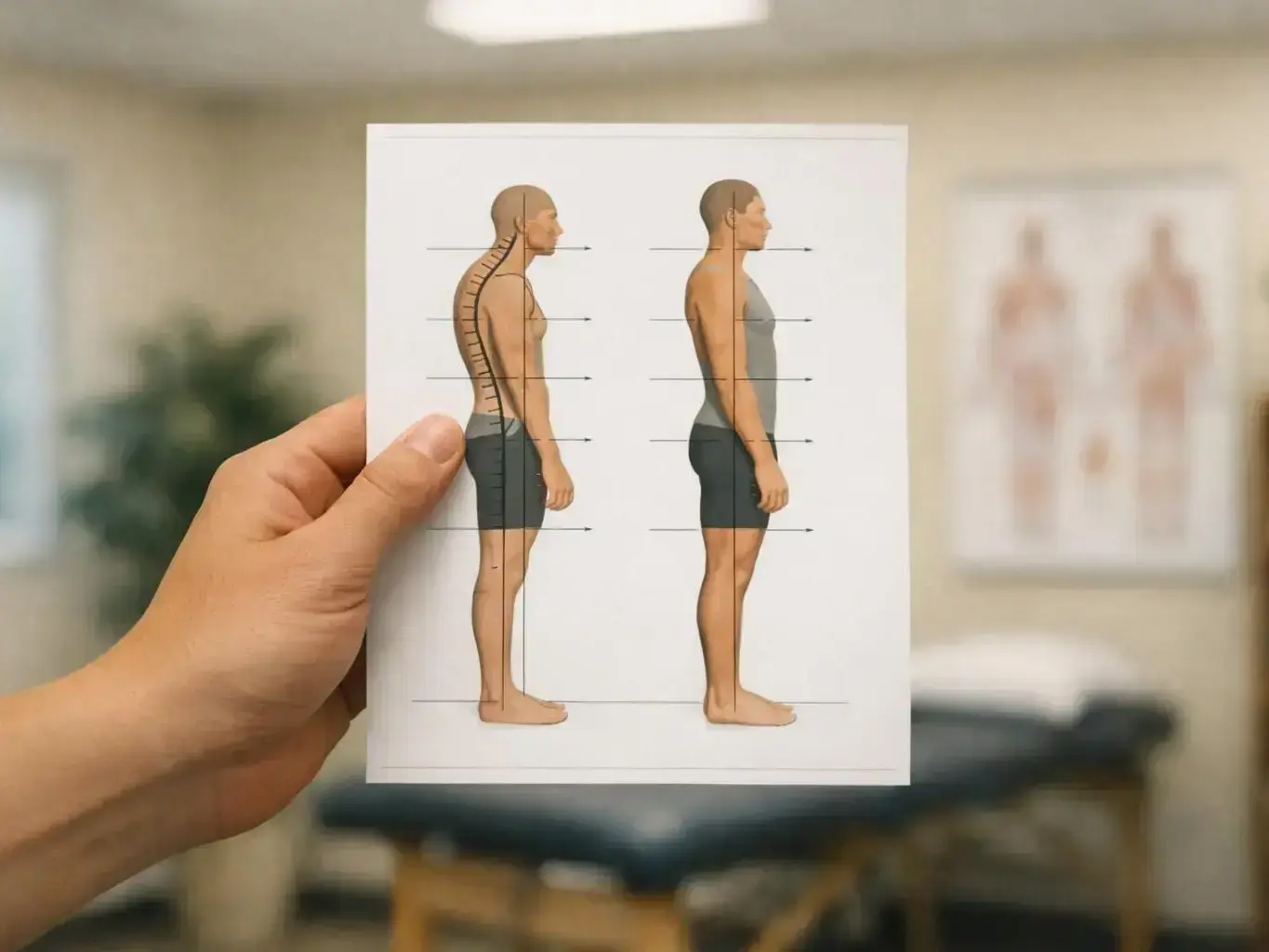
Warm up before moving. Use good posture. Lift things the right way. Strong muscles help too.
When Muscle Strain Matters Most?
Muscle strains matter most when moving fast. Athletes get them in sports. Soccer, basketball. And tennis are examples.
Workers in hard jobs get strains too. Warehouse workers or landscapers lift and bend a lot. Office workers can strain muscles from sitting wrong.
Car crashes or falls can cause strains. Sudden forces can stretch or tear muscles. Strains often come with other injuries.
These can be whiplash or broken bones. Doctors check for strains after accidents. Untreated strains can cause lasting pain.
Chiropractors (muscle and bone doctors) often see strains. They help people after accidents. Look for pain, stiffness. Or bruising.
These are signs of a strain. Get help fast to avoid more damage.