Understanding Ligament Sprain
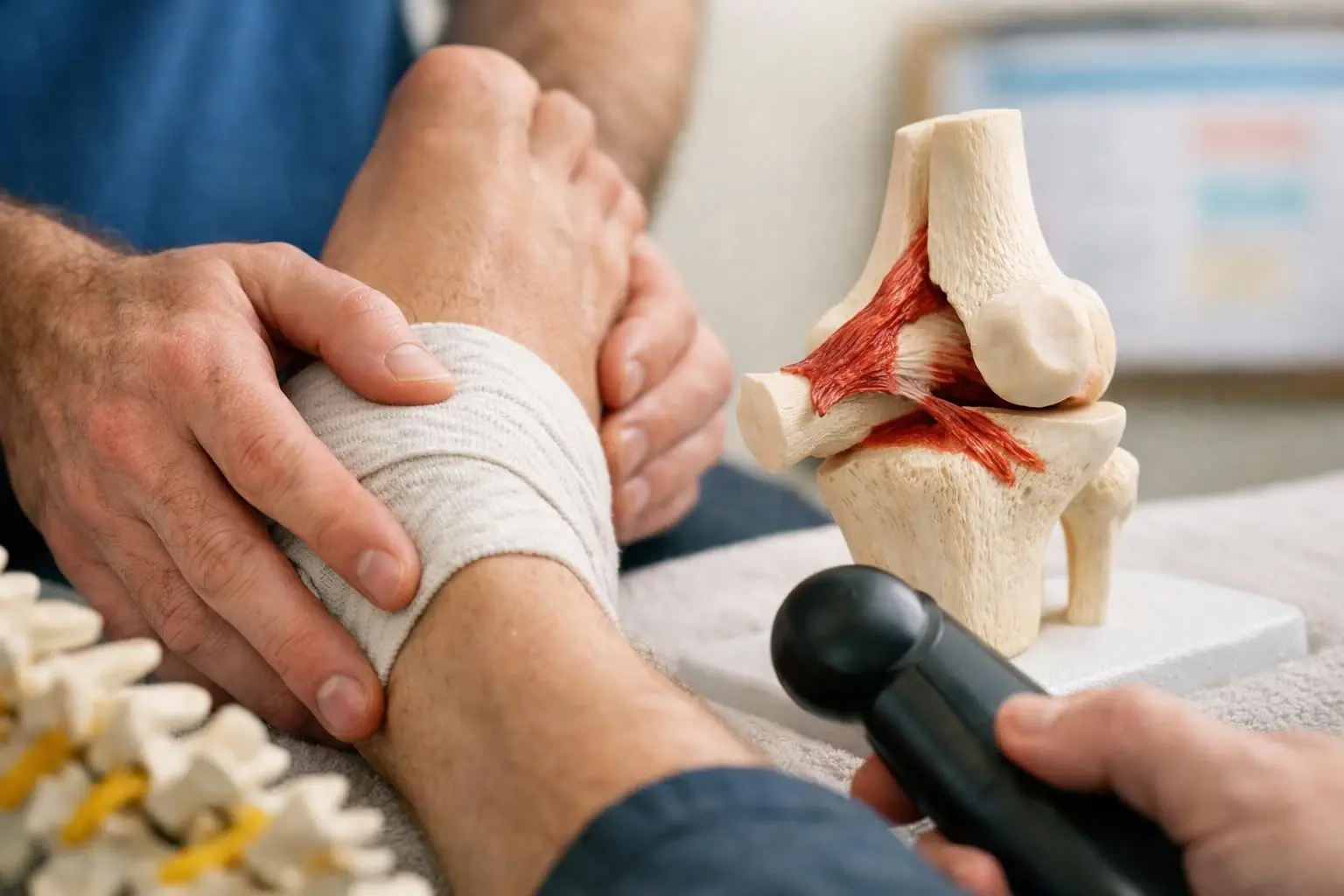
A ligament sprain happens when a ligament is hurt. Ligaments are strong bands of tissue. They connect bones at a joint.
Ligaments keep joints stable. They stop joints from moving too much. But sudden twists or falls can hurt them.
Ligaments don't heal fast. They don't have much blood. Sprains often happen in ankles, knees. And wrists.
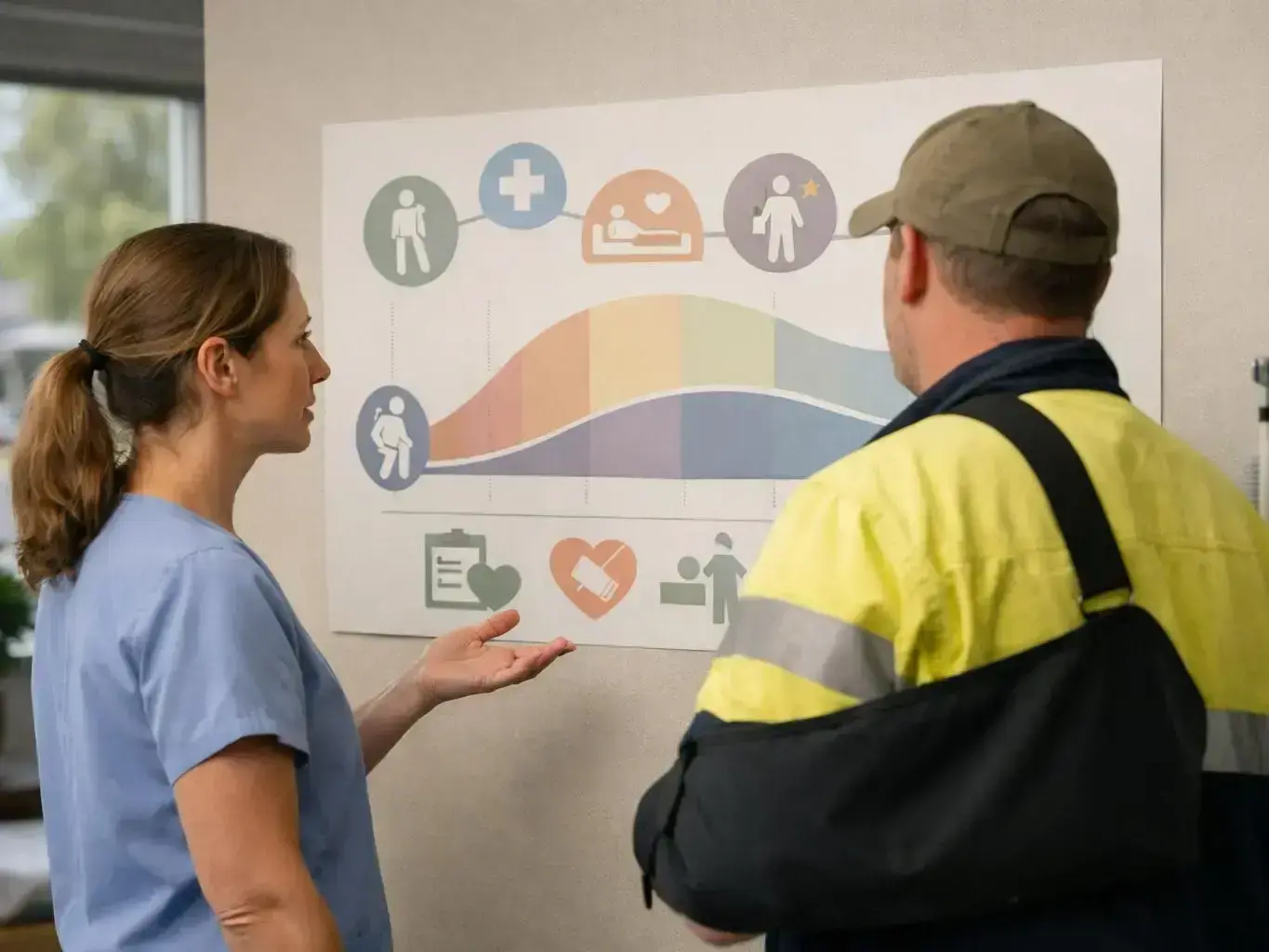
Sprains have three grades. Grade 1 is mild. It causes little pain and swelling.
Grade 2 is worse. It has a partial tear. This causes more pain and swelling.
The joint may feel loose. Grade 3 is the worst. It's a full tear.
This causes bad pain and swelling. The joint may not work right. It might need surgery.
Knowing the grade helps. It tells what treatment to use. It helps plan recovery.
How Ligament Sprain Works and Is Diagnosed?
When a ligament sprains, it stretches or tears. This causes pain and swelling. It may also cause bruising.
The area may feel warm. The joint might feel weak or shaky. This is common with bad sprains.
Symptoms show up fast. They can get worse in 24 to 48 hours. This happens as swelling grows.
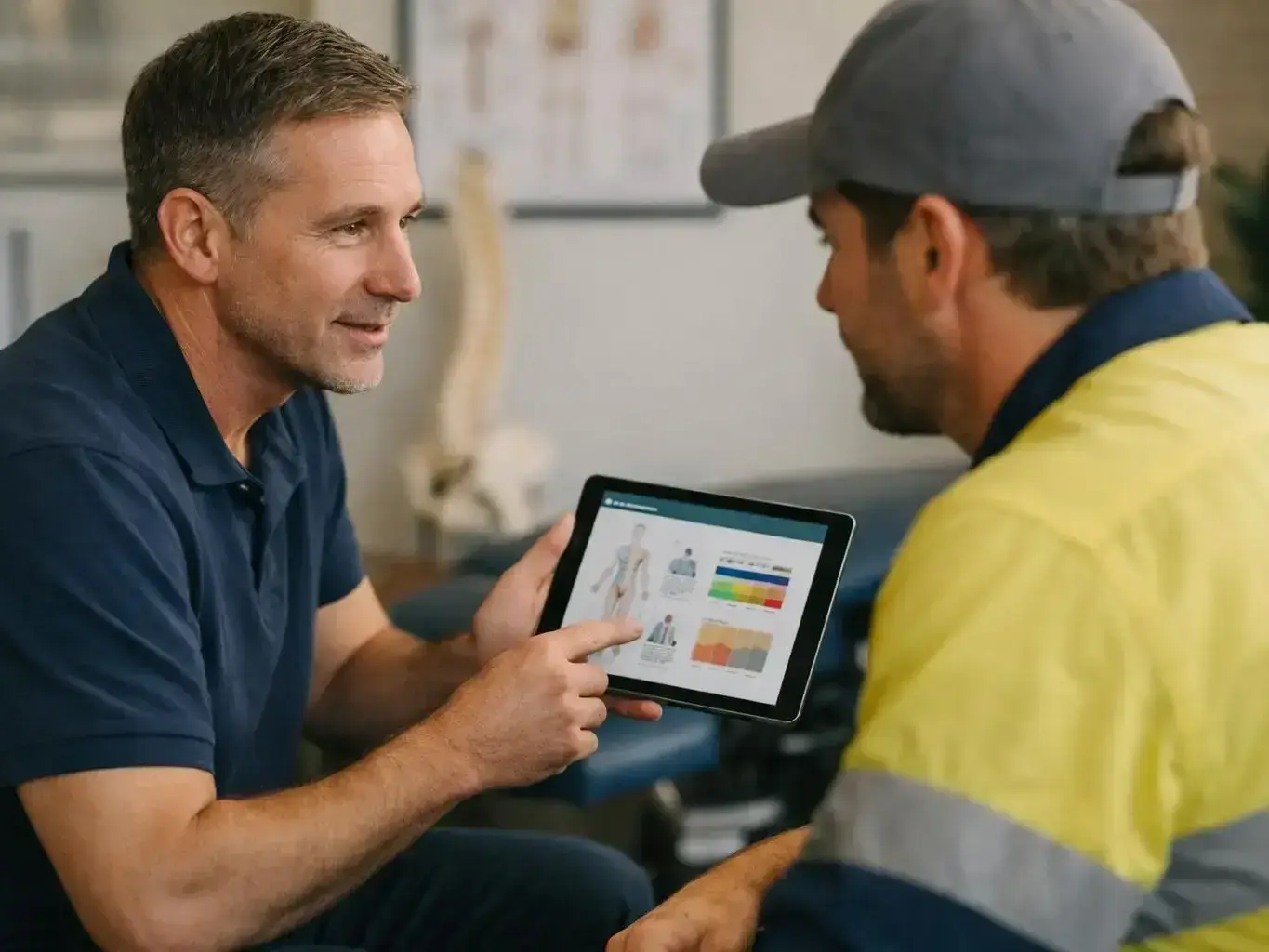
A doctor checks the injury. They look for swelling and pain. They test if the joint is stable.
X-rays can rule out breaks. MRI or ultrasound can show ligament damage. They check how bad it is.
Early diagnosis helps. It stops problems like long-term pain. It can also stop arthritis.
Why Ligament Sprain Matters?

Ligament sprains hurt more than just for now. They can change daily life. They can affect sports too.
Bad sprains can cause more injuries. They can make joints unstable. They may lead to arthritis early.
Athletes may miss weeks or months. They can't train or play. Some jobs can't be done either.
Sprains can cost money. They may need doctor visits. They might need therapy too.
Some people miss work. This is true after car accidents. It also happens at work injuries.
Good records help. They matter for insurance. They help with injury claims too.
When Ligament Sprain Matters Most?
The first 48 hours matter most. Rest helps. Ice helps too.
Use compression and elevation. This is called RICE. It reduces swelling and helps healing.
Don't ignore pain. It can make things worse. It may cause long-term damage.
Some signs need a doctor. Bad pain is one. Can't put weight on it? See a doctor.
If the joint looks wrong, get help. Numbness is also a bad sign. It may mean nerve damage.
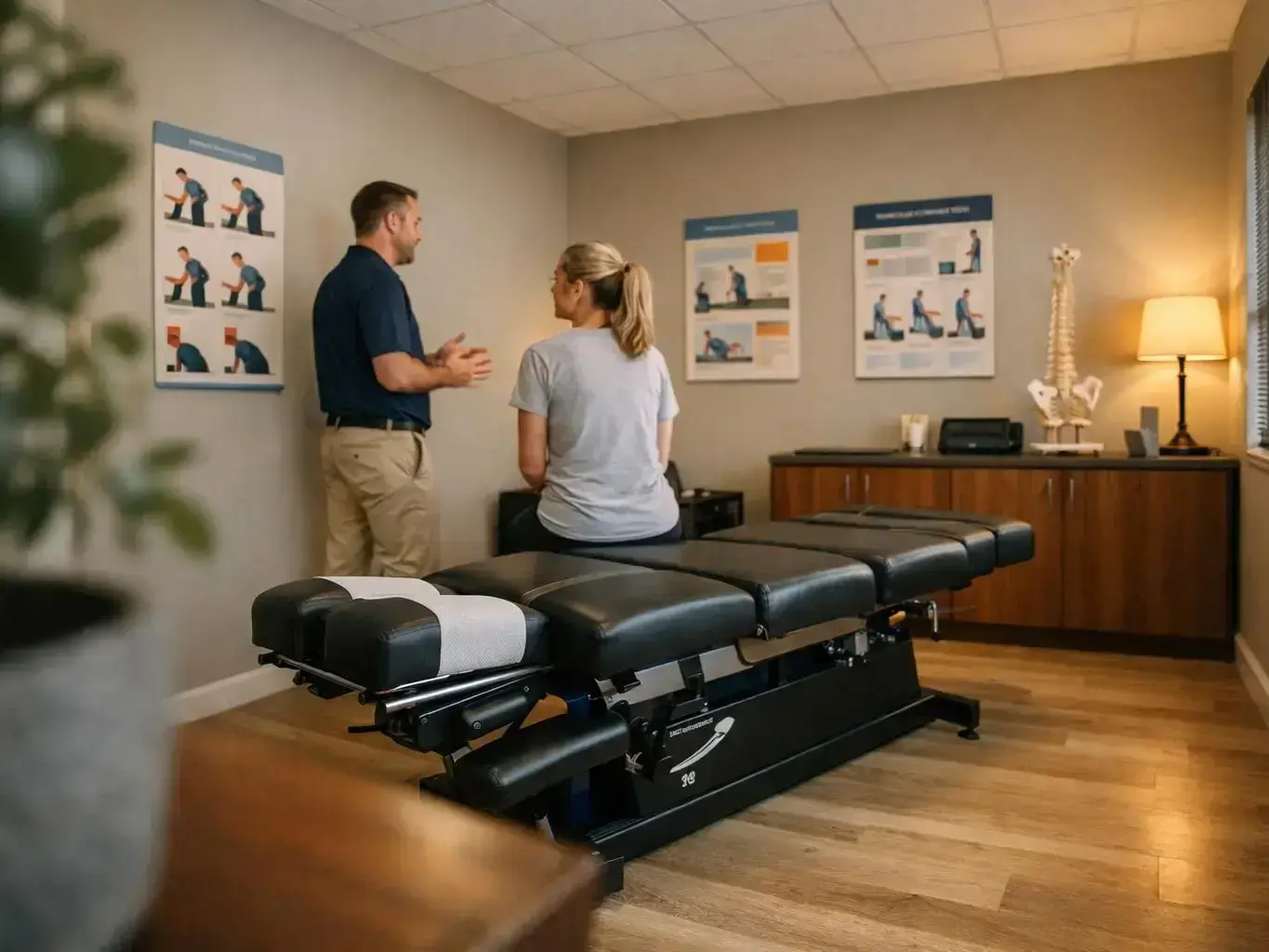
Athletes need good rehab. So do people with hard jobs. It stops more injuries.
Nashville has lots of sports. It has outdoor fun too. Many jobs need hard work.
Knowing about sprains helps. It helps with treatment. It helps with recovery too.