Understanding TENS Unit
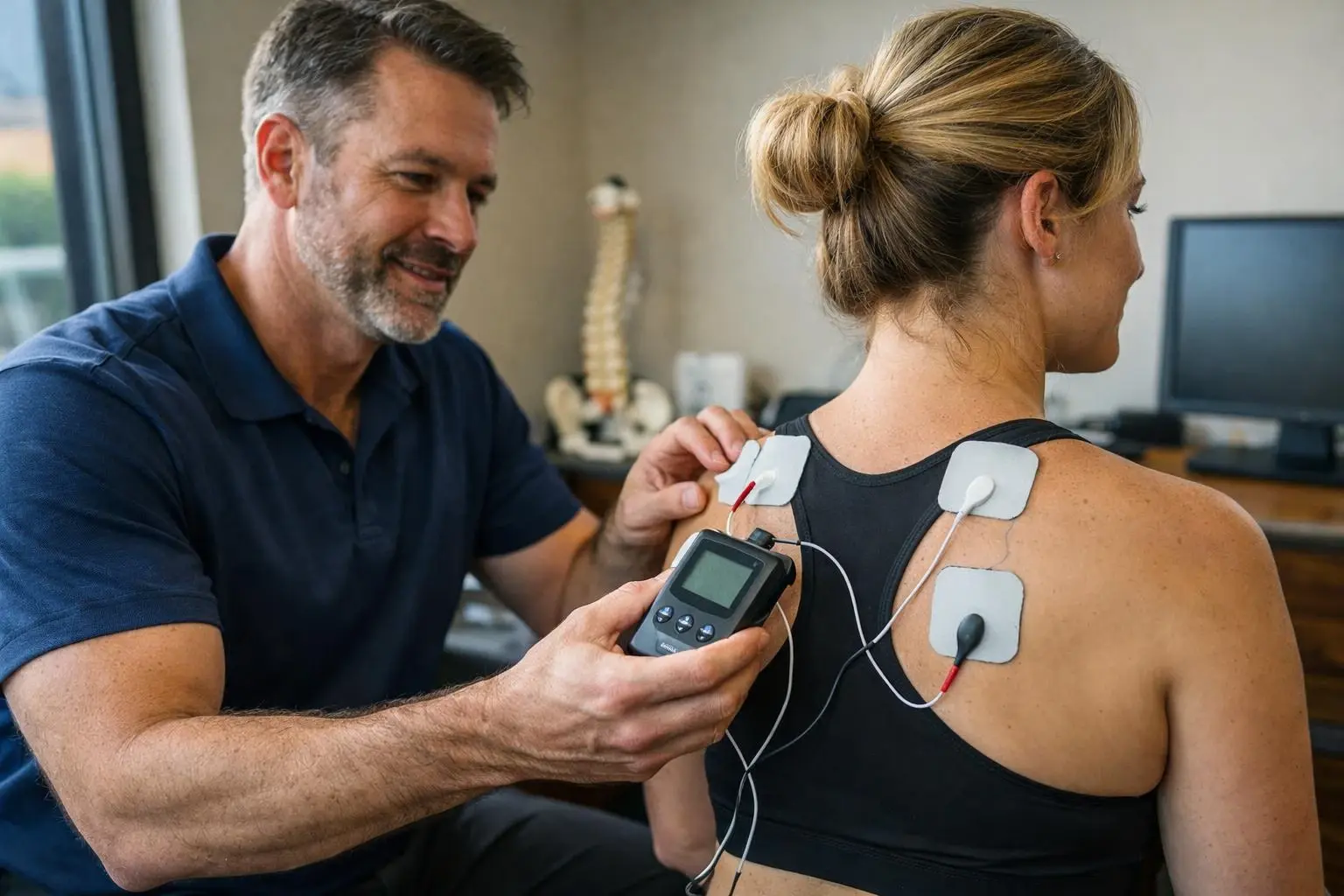
A TENS Unit. Or Transcutaneous Electrical Nerve Stimulation Unit, is a non-invasive device designed to help manage pain. It works by sending low-voltage electrical currents through electrodes attached to the skin. These electrodes are placed near the area where pain is felt, such as the lower back, neck. Or joints. The electrical pulses interfere with the body’s pain signals, which can provide temporary relief for conditions like arthritis, muscle strains. Or nerve-related pain.
Related glossary terms: Chronic Pain, Neuromuscular Reeducation, Electrical Muscle Stimulation.
TENS Units are widely used because they're portable, easy to operate. And don't require medication. They are often recommended as part of a broader pain management plan, especially for people who want to avoid or reduce the use of painkillers. While TENS Units do not cure the underlying cause of pain, they can help improve quality of life by making daily activities more comfortable. The devices are available in various sizes, from small, handheld models to larger units with multiple settings.
How TENS Unit Works?
The TENS Unit operates on a simple principle: electrical pulses block or alter pain signals traveling to the brain. The device has adjustable settings that control the frequency, intensity. And duration of the pulses. Low-frequency settings (typically 2-10 Hz) are thought to stimulate the body’s production of endorphins, which are natural pain-relieving chemicals. High-frequency settings (50-120 Hz) may work by blocking pain signals at the spinal cord level, a process known as the "gate control" theory of pain.
To use a TENS Unit, electrodes are placed on clean, dry skin near the painful area. The user then turns on the device and gradually increases the intensity until a tingling sensation is felt. This sensation should be strong but not painful. Sessions typically last between 15 to 60 minutes, depending on the condition being treated. Some people use the device multiple times a day. While others find relief with less frequent use. What matters is to follow the instructions provided with the device or consult a healthcare professional to ensure safe and effective use.
Why TENS Unit Matters?
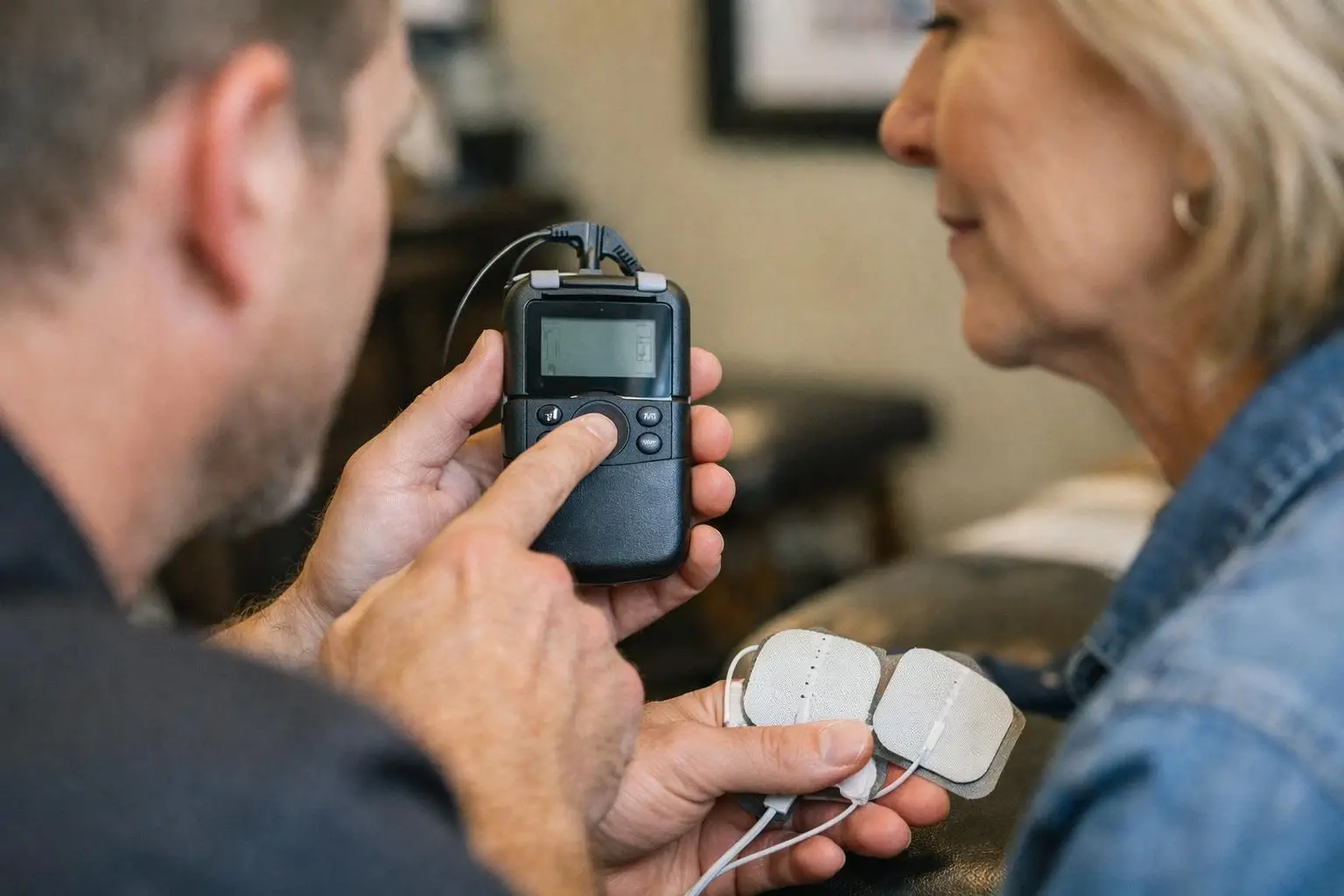
TENS Units matter because they offer a drug-free alternative for managing pain, which can be especially valuable for people who experience side effects from medications or want to avoid dependency. For individuals with chronic conditions like fibromyalgia, osteoarthritis. Or neuropathy, a TENS Unit can provide consistent relief without the risks associated with long-term painkiller use. The device is also useful for acute pain, such as post-surgical recovery or muscle soreness after an injury, where temporary relief can help improve mobility and comfort.
Another key benefit's the ability to customize the treatment. Users can adjust the settings to find the most effective pulse pattern for their specific type of pain. This flexibility makes TENS Units a versatile tool in pain management, whether used alone or alongside other therapies like physical therapy, chiropractic care. Or massage. But while TENS Units can help manage pain, they are not a cure and should be used as part of a full treatment plan.
When TENS Unit Matters Most?
A TENS Unit is most useful in situations where pain interferes with daily activities or quality of life. For example, people with chronic back pain may find relief during long periods of sitting or standing. While athletes recovering from injuries might use the device to reduce muscle soreness after workouts. TENS Units are also commonly used for pain related to conditions like sciatica, carpal tunnel syndrome. Or diabetic neuropathy, where nerve pain is a primary symptom.
Many projects start with It is important to know when a TENS Unit may not be appropriate. People with certain medical devices, such as pacemakers or defibrillators, should avoid using TENS Units due to the risk of electrical interference. Pregnant women, individuals with epilepsy. Or those with open wounds or infections at the electrode sites should also consult a healthcare provider before use. And TENS Units should not be used on the head, neck. Or over the heart. For best results, the device should be used as directed and in conjunction with other recommended treatments.