Glossary

What is Electrical Muscle Stimulation?

Electrical Muscle Stimulation is a therapeutic technique that uses controlled electrical currents to cause muscle contractions. These contractions help reduce pain, improve circulation. And promote healing in injured or weakened muscles. The treatment is often used alongside other therapies to support recovery from injuries, surgery. Or chronic conditions.

Reviewed by Advanced Injury Care ClinicSources reviewed: American Physical Therapy Association, U.S. Food and Drug Administration (FDA)

Quick Facts About Electrical Muscle Stimulation

Category

Physical therapy modality

Used for

Pain relief, muscle re-education. And injury recovery

Common confusion

Often mistaken for TENS, which targets nerves instead of muscles

Also called

EMS, Electrostimulation

Often discussed with

Car Accident Injury Treatment, Work Injury Treatment

Key Takeaways About Electrical Muscle Stimulation

Understanding Electrical Muscle Stimulation
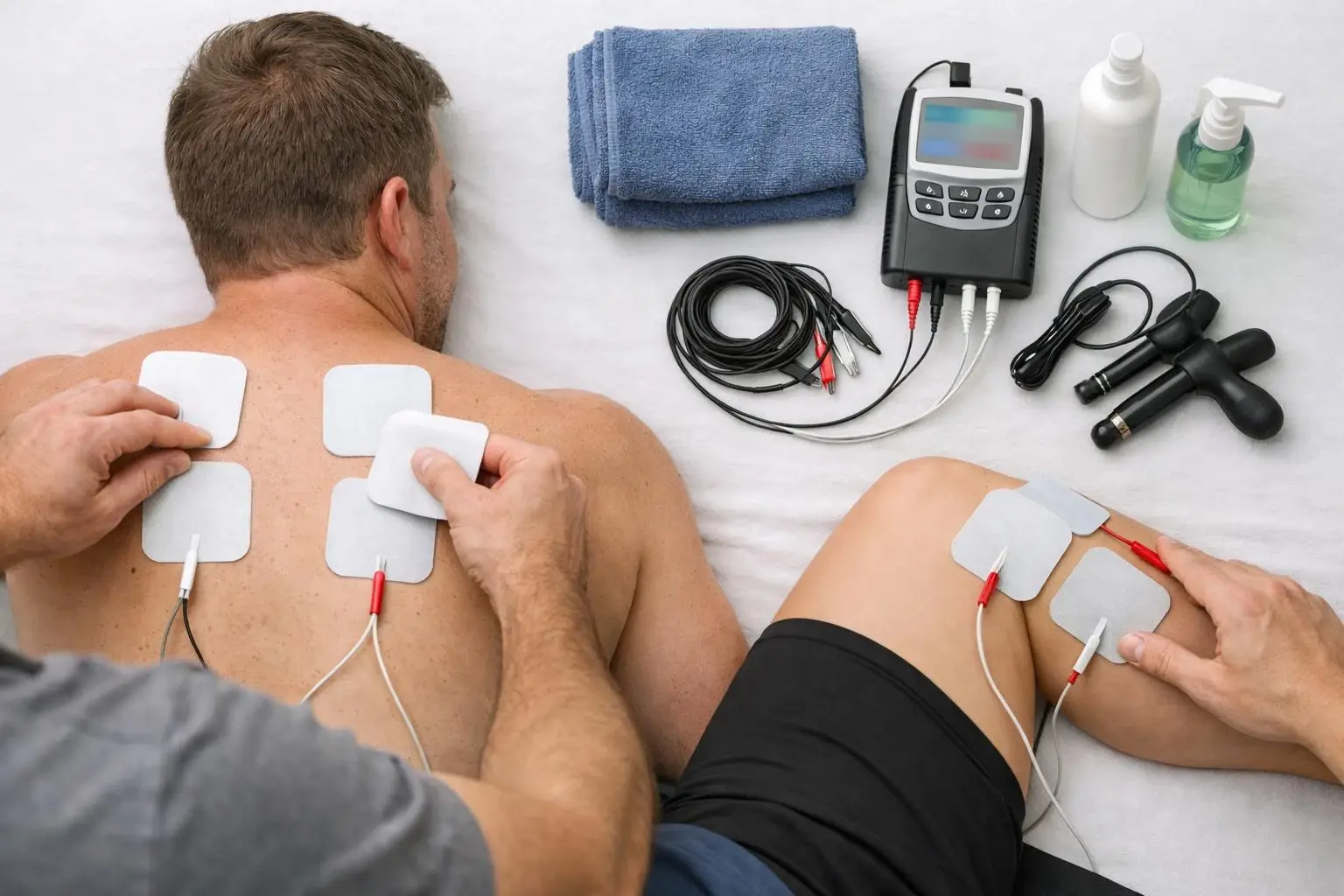
Electrical Muscle Stimulation in Chiropractor: Electrical Muscle Stimulation is a therapeutic technique that uses controll...

Electrical Muscle Stimulation (EMS) is a treatment method that delivers small electrical impulses to muscles through electrodes placed on the skin. These impulses mimic the natural signals sent by the brain to cause muscle contractions. Unlike voluntary movements, EMS can target specific muscles even when a patient is unable to move them on their own. This makes it useful for recovering strength after an injury, surgery. Or prolonged inactivity.

Related glossary terms: Chiropractic Care, TENS Unit, Therapeutic Ultrasound.

EMS is not the same as Transcutaneous Electrical Nerve Stimulation (TENS), which focuses on blocking pain signals rather than stimulating muscle contractions. While TENS is primarily used for pain relief, EMS is designed to improve muscle function, reduce stiffness. And boost circulation. The electrical currents used in EMS are low-level and generally feel like a tapping or tingling sensation. Most people tolerate the treatment well. Though the intensity can be adjusted based on comfort and therapeutic goals.

How Electrical Muscle Stimulation Works?

The process begins with a healthcare provider placing adhesive electrodes on the skin over the targeted muscle group. These electrodes are connected to a small device that generates the electrical impulses. When the device is turned on, the impulses travel through the electrodes and into the muscle fibers, causing them to contract. The contractions can be set to different patterns, such as quick pulses or sustained holds, depending on the treatment goal.

During a session, the provider may adjust the frequency, intensity. And duration of the impulses to achieve the desired effect. For example, lower frequencies may be used for pain relief. While higher frequencies can help strengthen weakened muscles. A typical session lasts between 10 and 30 minutes. And patients often undergo multiple sessions as part of a broader rehabilitation plan. EMS is frequently combined with other therapies, such as chiropractic adjustments or manual exercises, to get the most from recovery.

Why Electrical Muscle Stimulation Matters?
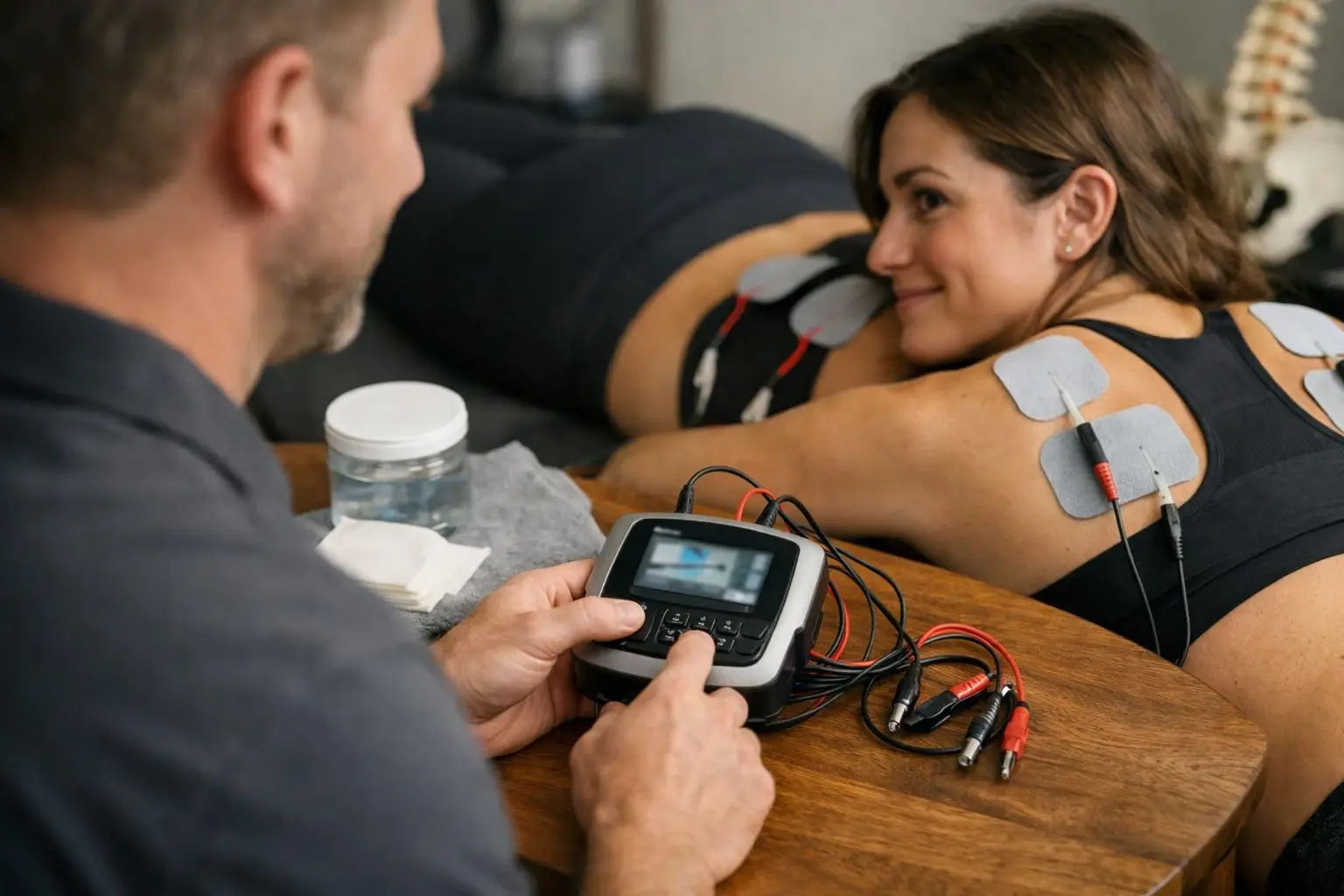
How Electrical Muscle Stimulation applies to Chiropractor services in Nashville, United States—practical illustration

EMS plays an important role in rehabilitation because it helps address muscle weakness and dysfunction that can occur after an injury or surgery. When muscles are not used regularly, they can atrophy. Or shrink, leading to reduced strength and mobility. EMS can stimulate these muscles without requiring the patient to perform strenuous exercises, making it a valuable tool for early-stage recovery. It also helps improve blood flow to the affected area, which can speed up healing and reduce inflammation.

For local customers, Another key benefit of EMS is its ability to reduce pain. Muscle contractions triggered by EMS can release endorphins, the body’s natural pain-relieving chemicals. And the treatment can help break the cycle of muscle spasms, which often contribute to chronic pain. For patients with conditions like back pain, neck pain. Or joint injuries, EMS can provide relief while supporting long-term recovery goals.

When Electrical Muscle Stimulation Matters Most?

EMS is particularly useful in situations where muscles are weak, injured. Or difficult to activate voluntarily. For example, athletes recovering from a sports injury may use EMS to maintain muscle tone while they're unable to train. Similarly, patients recovering from surgery, such as a knee replacement or spinal procedure, may benefit from EMS to prevent muscle wasting during the healing process. The treatment is also helpful for individuals with chronic conditions, such as arthritis or neuropathy, where muscle weakness and pain are ongoing challenges.

EMS is often recommended when traditional exercises are not yet possible or are too painful to perform. It can be used as a bridge to more active rehabilitation, helping patients regain strength and confidence before progressing to voluntary movements. In some cases, EMS is also used to improve muscle endurance or boost athletic performance. Though This is typically done under professional supervision to avoid overuse or injury.

How to Evaluate Electrical Muscle Stimulation?

Related Concepts Compared

Electrical Muscle Stimulation vs. TENS Unit

A TENS unit targets nerves to block pain signals. While Electrical Muscle Stimulation focuses on causing muscle contractions to aid recovery.

Electrical Muscle Stimulation vs. Therapeutic Ultrasound

Therapeutic ultrasound uses sound waves to promote healing in deep tissues, whereas EMS uses electrical impulses to stimulate muscle contractions.

Expert Note

EMS is most effective when tailored to the patient’s specific condition and combined with active rehabilitation. Overusing EMS without proper guidance can lead to muscle fatigue or soreness. So it’s important to follow a structured treatment plan.

Common Mistakes or Myths About Electrical Muscle Stimulation

  • Assuming EMS is the same as TENS, which serves a different purpose.
  • Using EMS without professional guidance, which can lead to improper placement or intensity.
  • Expecting immediate results after one session instead of committing to a full treatment plan.
  • Ignoring skin sensitivity or discomfort during treatment, which could cause irritation.

Electrical Muscle Stimulation in Practice: A Real-World Example

A patient recovering from a car accident may experience muscle weakness in their lower back due to limited movement. During a chiropractic visit, the provider might use Electrical Muscle Stimulation to activate the back muscles, helping to reduce pain and improve circulation. Over several sessions, the patient may notice increased strength and reduced stiffness, allowing them to progress to gentle exercises.

Sources & Further Reading on Electrical Muscle Stimulation

Related Services

Related Terms

Chiropractic Care

Chiropractic Care is a healthcare discipline focused on diagnosing and treating musculoskeletal disorders, particularly those related to the spine. Chiropractic Care emphasizes manual adjustments, spinal manipulation. And other non-surgical techniques to alleviate pain, improve mobility.

TENS Unit

TENS Unit is a small, battery-powered medical device that delivers mild electrical pulses through electrodes placed on the skin. These pulses help reduce pain signals sent to the brain and may stimulate the body’s natural pain-relieving mechanisms. TENS Units are commonly used for chronic pain, muscle soreness. And recovery after injuries or surgeries.

Therapeutic Ultrasound

Therapeutic Ultrasound is a non-invasive treatment method used in physical therapy and chiropractic care that uses high-frequency sound waves to promote healing in muscles, tendons. And soft tissues. These sound waves create deep heat, increase blood flow. And reduce pain and inflammation without surgery or medication. It's commonly applied to injuries like sprains, strains. And chronic conditions.

Neuromuscular Reeducation

Neuromuscular Reeducation is a therapeutic technique designed to restore normal movement patterns by retraining the connection between nerves and muscles. It combines manual therapy, guided exercises. And sensory feedback to improve coordination, strength. And balance after injury, surgery. Or neurological conditions. The goal is to help the body relearn efficient, pain-free motion.

Advanced Injury Care Clinic

Have Questions About Electrical Muscle Stimulation?

Contact Advanced Injury Care Clinic for practical guidance on Electrical Muscle Stimulation and related chiropractor work in Nashville.

+1 615-777-0624