Glossary

What is Therapeutic Ultrasound?

Therapeutic Ultrasound is a non-invasive treatment method used in physical therapy and chiropractic care that uses high-frequency sound waves to promote healing in muscles, tendons. And soft tissues. These sound waves create deep heat, increase blood flow. And reduce pain and inflammation without surgery or medication. It's commonly applied to injuries like sprains, strains. And chronic conditions.

Reviewed by Advanced Injury Care ClinicSources reviewed: American Physical Therapy Association, National Institute of Arthritis and Musculoskeletal and Skin Diseases

Quick Facts About Therapeutic Ultrasound

Category

Physical therapy and chiropractic modality

Used for

Pain relief, tissue healing. And inflammation reduction

Common confusion

Often mistaken for diagnostic ultrasound (imaging)

Also called

Ultrasound Therapy, Ultrasonic Therapy

Often discussed with

Work Injury Treatment, Personal Injury Chiropractic Care

Key Takeaways About Therapeutic Ultrasound

Understanding Therapeutic Ultrasound
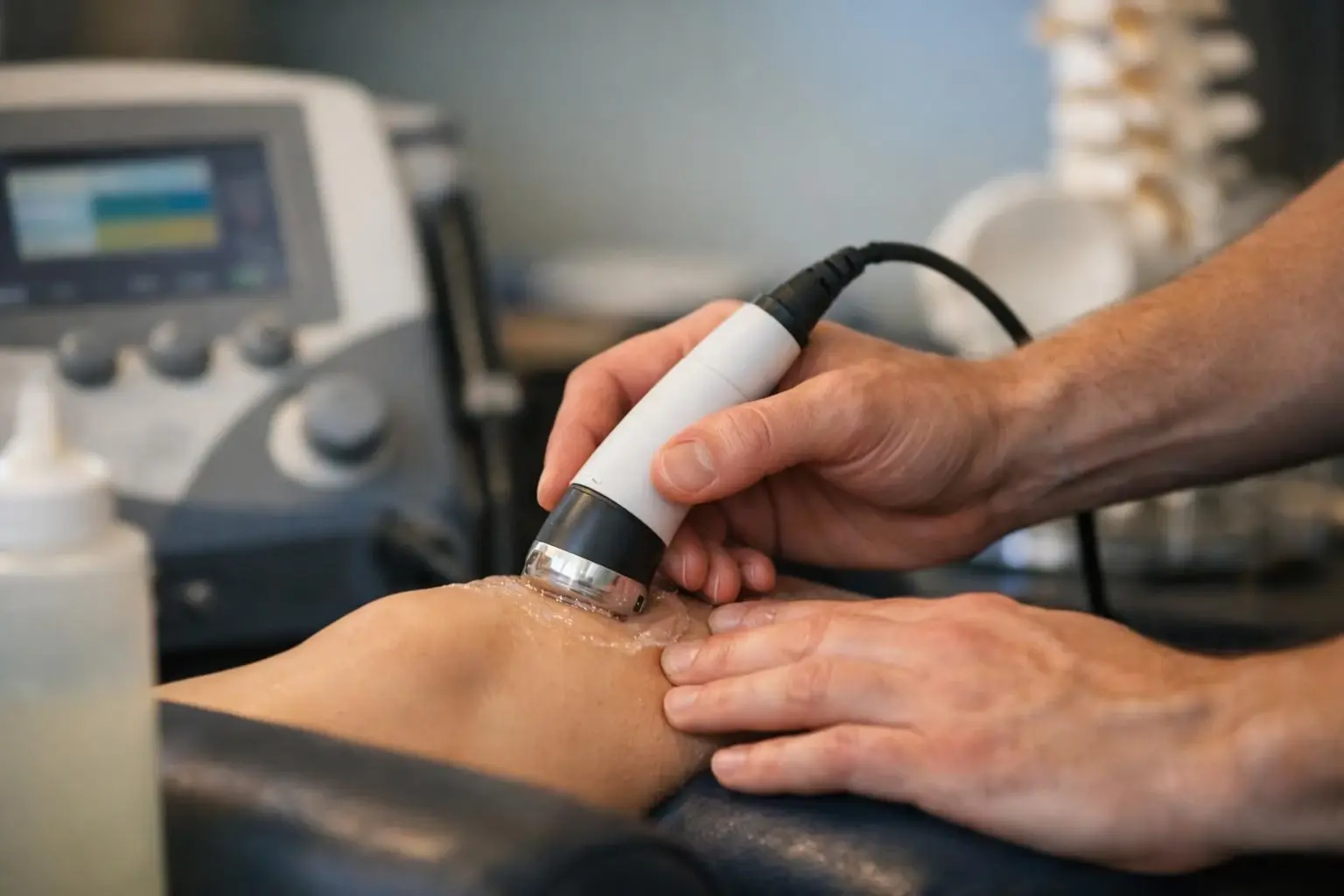
Therapeutic Ultrasound in Chiropractor: Therapeutic Ultrasound is a non-invasive treatment method used in physical therapy...

Therapeutic ultrasound helps heal injuries. It uses sound waves to do this. These waves are not the same as those used for baby pictures.

Related glossary terms: Myofascial Release, Electrical Muscle Stimulation, Cold Laser Therapy.

Sound waves go deep into tissues. They make gentle heat and vibration. This helps blood flow and relaxes muscles.

It can speed up healing. It works well for muscle strains and sore tendons. It also helps with joint swelling.

This treatment is safe. It does not hurt. A trained person must do it.

The waves come from a small handheld tool. It’s called a transducer (a sound wave sender). The tool moves in slow circles on your skin.

A gel goes on your skin first. The gel helps the waves move smoothly. Most people feel only a little warmth.

Some people feel nothing at all. The treatment takes 5 to 10 minutes. The time depends on the area being treated.

How Therapeutic Ultrasound Works?

Therapeutic ultrasound uses sound waves. The waves have a frequency (speed) of 1 to 3 MHz. MHz means million waves per second.

These waves go through the skin. They are absorbed by deeper tissues. There, they make vibrations.

The vibrations make heat. Heat helps blood flow and relaxes tight muscles. This is called thermal ultrasound.

Thermal ultrasound helps with stiffness and pain. It works well for long-term problems.

Another type is non-thermal ultrasound. It does not make heat. The waves make tiny bubbles in fluids.

These bubbles grow and shrink fast. This is called cavitation. It helps break up scar tissue.

It also reduces swelling. It helps fluids move better. Both types can work together for better healing.

The chiropractor picks the right settings. Lower frequencies (1 MHz) go deeper. They work well for big muscles or joints.

Higher frequencies (3 MHz) stay near the surface. They are best for small injuries. The therapist adjusts to make it comfortable.

Why Therapeutic Ultrasound Matters?
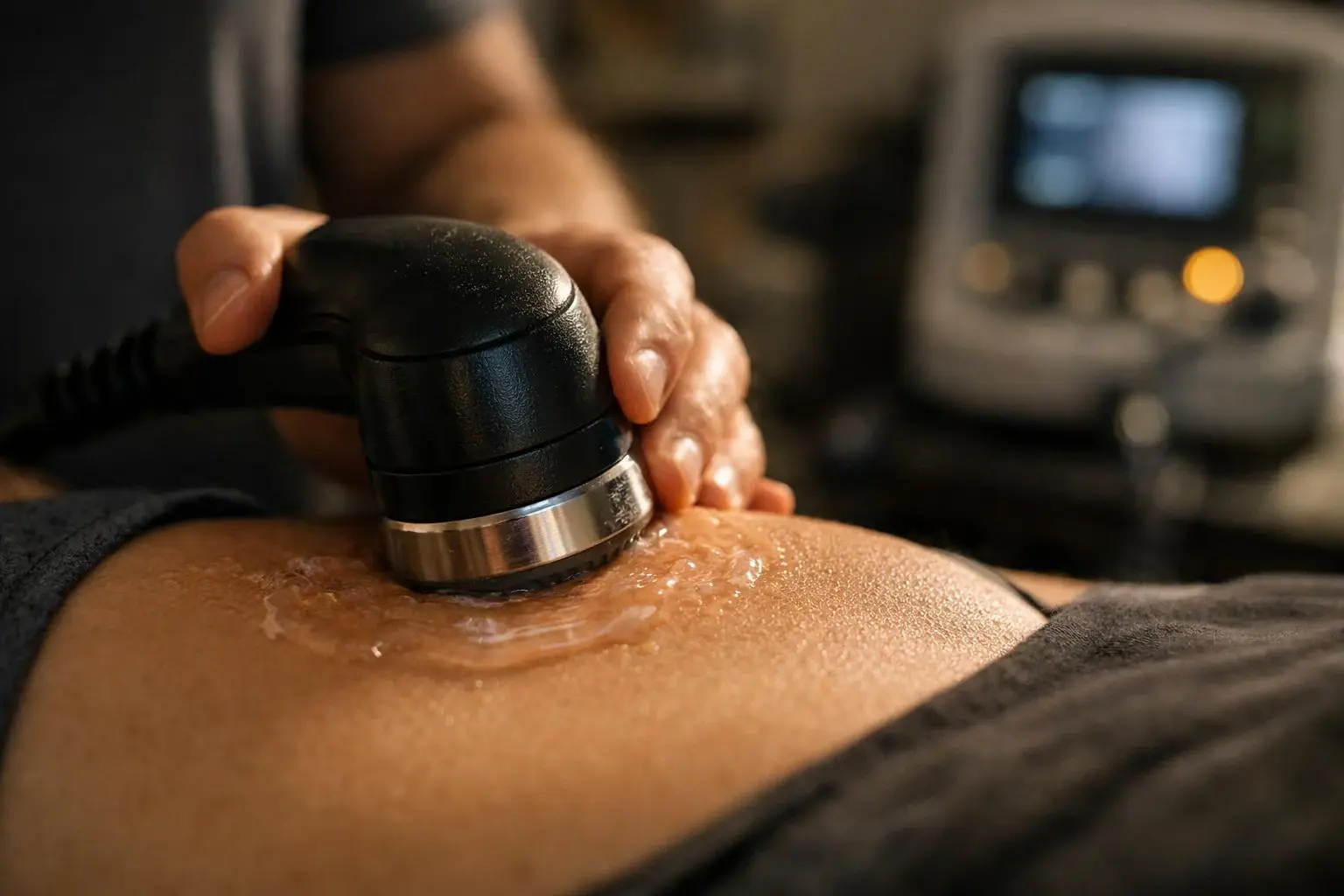
How Therapeutic Ultrasound applies to Chiropractor services in Nashville, United States—practical illustration

Therapeutic ultrasound is important. It offers a safe way to ease pain. It helps without surgery or drugs.

Many injuries cause swelling and damage. Ultrasound helps blood flow to the hurt area. This brings oxygen and nutrients.

It also cuts down swelling. Muscles relax and stop spasms. People can move better and get back to daily life.

For long-term problems like arthritis, it helps too. The deep heat loosens stiff joints. It eases tight muscles.

This improves flexibility. It reduces pain. Unlike pills, it fixes the real cause of pain.

It supports the body’s own healing. This makes it great for both new and old injuries.

When Therapeutic Ultrasound Matters Most?

Therapeutic ultrasound helps most in early injury stages. Swelling and pain are worst then. It’s often used for sprains, strains. And sore tendons.

Athletes with ankle sprains get help. So do runners with shin splints. It cuts swelling and speeds up healing.

It works for long-term problems too. Conditions like heel pain or wrist pain see relief. Stiffness and pain can ease.

This treatment is often paired with others. Chiropractic care, stretches. Or exercises may come next. For example, a stiff neck gets ultrasound first.

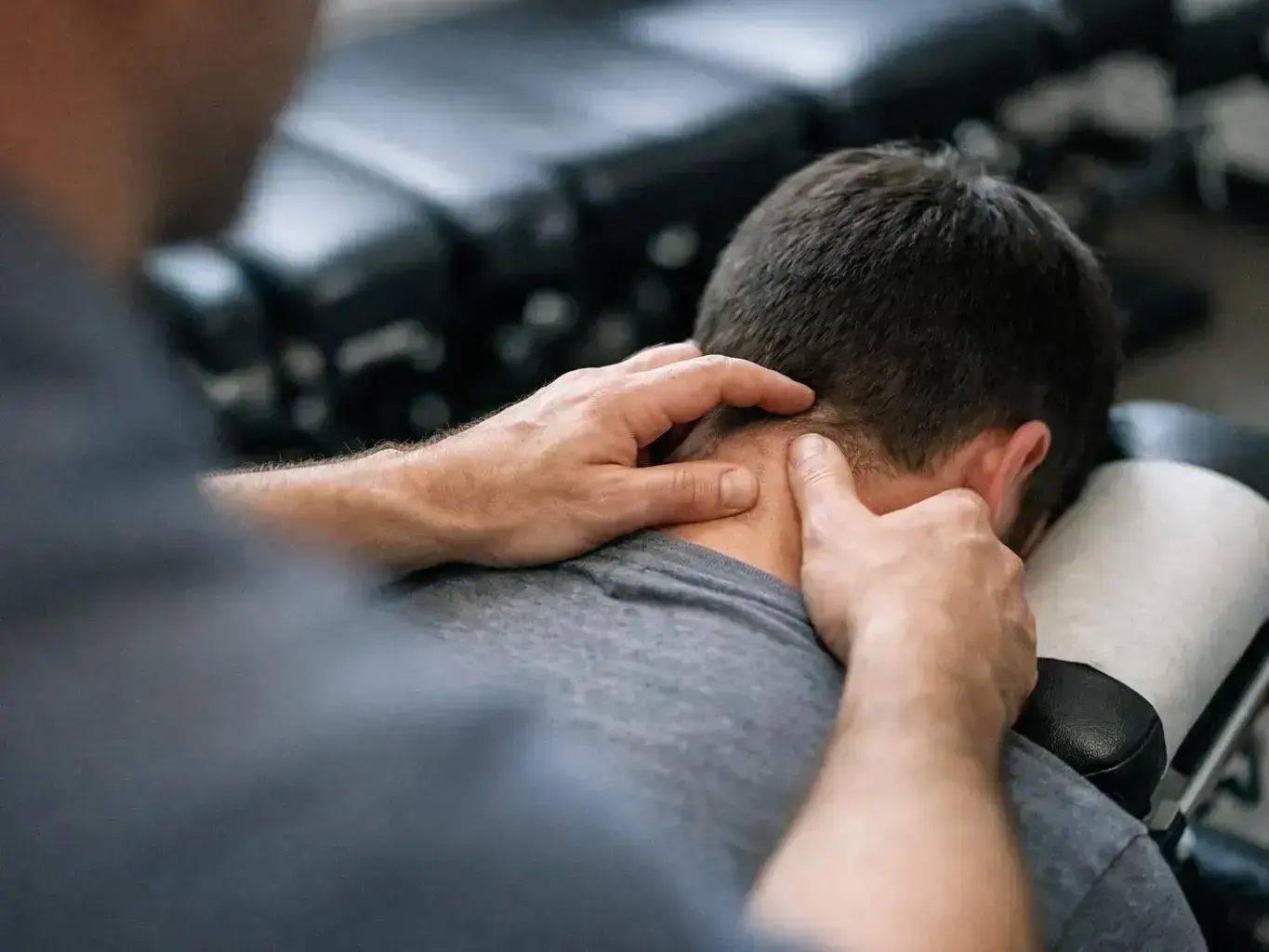
The ultrasound relaxes the muscles. Then the chiropractor adjusts the neck. In Nashville, active people get hurt often.

Therapeutic ultrasound is a good choice. It offers pain relief without drugs. It helps people recover faster.

But it’s not for everyone. Don’t use it on open wounds. Avoid it near eyes, heart. Or private parts.

People with pacemakers or metal implants may need to skip it. Some health problems make it unsafe. A doctor will check if it’s right for you.
How to Evaluate Therapeutic Ultrasound?

Related Concepts Compared

Therapeutic Ultrasound vs. Cold Laser Therapy

Cold Laser Therapy uses light energy to reduce pain and inflammation. While Therapeutic Ultrasound uses sound waves to create heat and vibration in tissues.

Therapeutic Ultrasound vs. Electrical Muscle Stimulation (EMS)

EMS uses electrical currents to cause muscle contractions. While Therapeutic Ultrasound uses sound waves to promote healing without muscle activation.

Therapeutic Ultrasound vs. Diagnostic Ultrasound

Diagnostic Ultrasound creates images of internal organs or babies. While Therapeutic Ultrasound is used to treat injuries and reduce pain.

Expert Note

Therapeutic Ultrasound is most effective when combined with active rehabilitation, such as stretching or strengthening exercises. The heat and vibration help prepare tissues for movement, making it easier to regain flexibility and strength after an injury.

Common Mistakes or Myths About Therapeutic Ultrasound

  • Assuming therapeutic ultrasound is the same as diagnostic ultrasound imaging.
  • Expecting immediate pain relief after just one session.
  • Using ultrasound on acute injuries without proper assessment by a healthcare provider.
  • Applying ultrasound over bony areas where it is less effective.

Therapeutic Ultrasound in Practice: A Real-World Example

A construction worker in Nashville strains his shoulder lifting heavy materials. After a chiropractic evaluation, he receives therapeutic ultrasound to reduce inflammation and relax tight muscles. Over several sessions, his pain decreases. And he regains full range of motion, allowing him to return to work without surgery or medication.

Sources & Further Reading on Therapeutic Ultrasound

Related Services

Related Terms

Myofascial Release

Myofascial Release is a hands-on therapy technique that gently applies sustained pressure to tight or restricted areas of the body’s fascia—the thin, web-like connective tissue surrounding muscles, bones. And organs. This method aims to relieve pain, restore motion. And improve function by releasing tension in the fascia, often caused by injury, inflammation. Or poor posture.

Electrical Muscle Stimulation

Electrical Muscle Stimulation is a therapeutic technique that uses controlled electrical currents to cause muscle contractions. These contractions help reduce pain, improve circulation. And promote healing in injured or weakened muscles. The treatment is often used alongside other therapies to support recovery from injuries, surgery. Or chronic conditions.

Cold Laser Therapy

Cold Laser Therapy is a non-invasive treatment that uses low-level light lasers to stimulate healing in damaged tissues. Cold Laser Therapy doesn't produce heat, making it painless and safe for reducing inflammation, relieving pain. And accelerating recovery in muscles, joints.

Soft Tissue Injury

Soft Tissue Injury is damage to the body’s muscles, tendons, ligaments. Or other non-bony structures caused by sudden trauma, overuse. Or repetitive strain. Soft Tissue Injury often results in pain, swelling, bruising. Or limited movement and can occur during sports, accidents. Or daily activities. These injuries typically heal with rest, ice, compression.

Trigger Point Therapy

Trigger Point Therapy is a manual treatment method that targets tight, painful knots in muscles called trigger points. These knots can cause localized pain or refer pain to other areas of the body. The therapy involves applying pressure to the trigger points to release tension, improve blood flow. And reduce pain, often used by chiropractors, physical therapists.

Advanced Injury Care Clinic

Have Questions About Therapeutic Ultrasound?

Contact Advanced Injury Care Clinic for practical guidance on Therapeutic Ultrasound and related chiropractor work in Nashville.

+1 615-777-0624