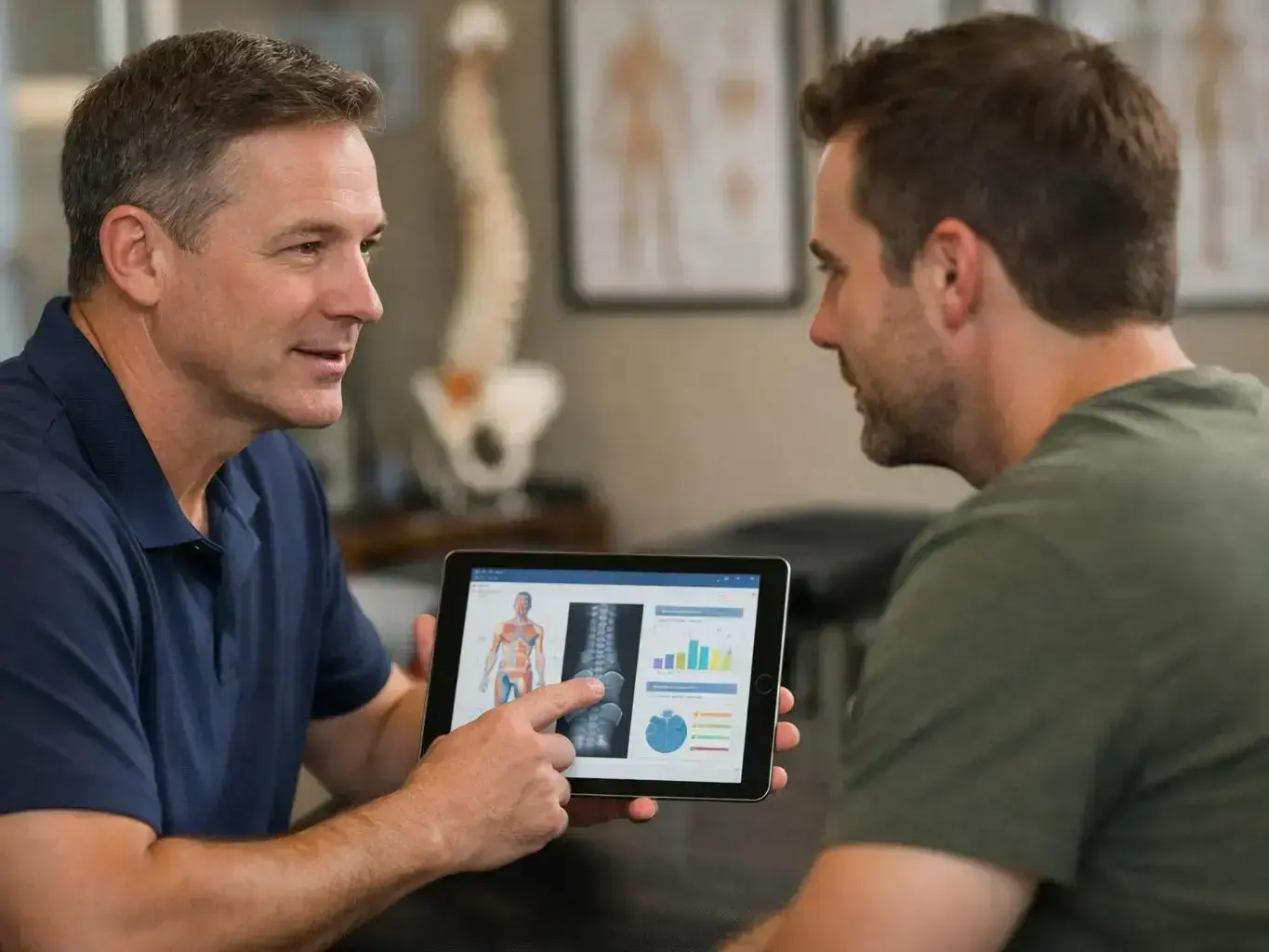
Understanding Neuromuscular Reeducation
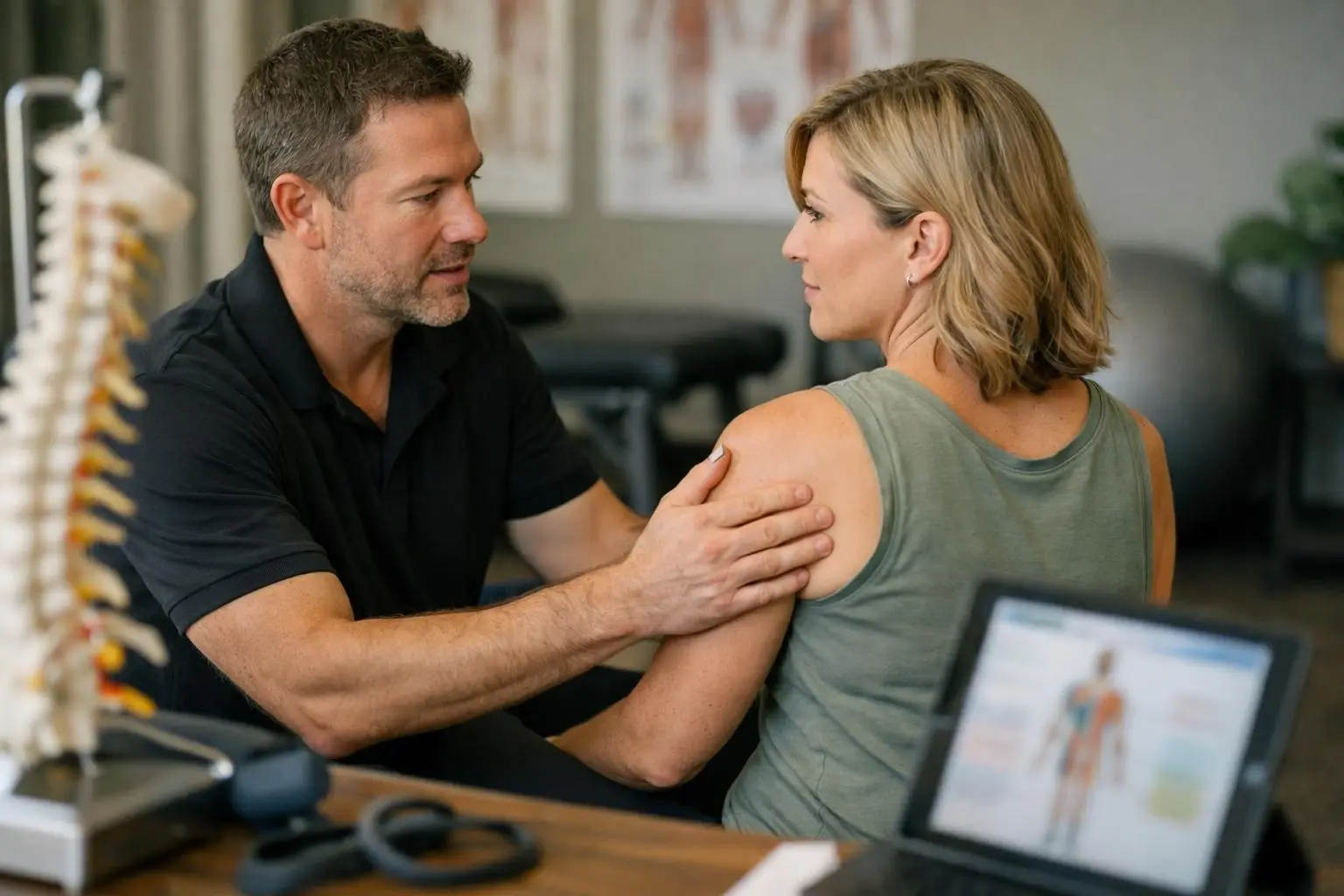
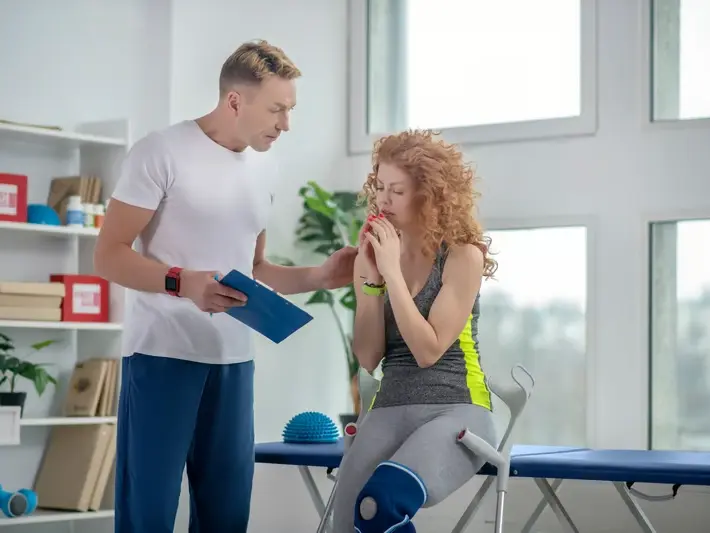
Neuromuscular Reeducation is a specialized therapy that focuses on the relationship between nerves and muscles. When an injury, surgery. Or neurological condition disrupts this connection, the body may compensate with inefficient or painful movement patterns. For example, someone recovering from a knee injury might limp to avoid pain. But this altered gait can strain other muscles or joints over time. Neuromuscular Reeducation helps the body unlearn these compensations and relearn proper movement.
This therapy is not just about strengthening muscles or increasing flexibility. It targets the nervous system’s role in controlling movement, using techniques like guided exercises, manual feedback. And sensory cues. A therapist might use tools like balance boards, resistance bands. Or hands-on guidance to help a patient regain control. The process is gradual, focusing on small improvements in coordination and muscle activation rather than quick fixes.
How Neuromuscular Reeducation Works?
Neuromuscular Reeducation works by addressing the root cause of movement dysfunction: the breakdown in communication between nerves and muscles. When nerves send incorrect signals—due to injury, inflammation. Or neurological damage—muscles may weaken, tighten. Or fail to activate when needed. For instance, after a spinal injury, some muscles might overwork while others remain inactive, leading to poor posture or chronic pain. The therapy retrains the nervous system to restore balanced muscle activation.
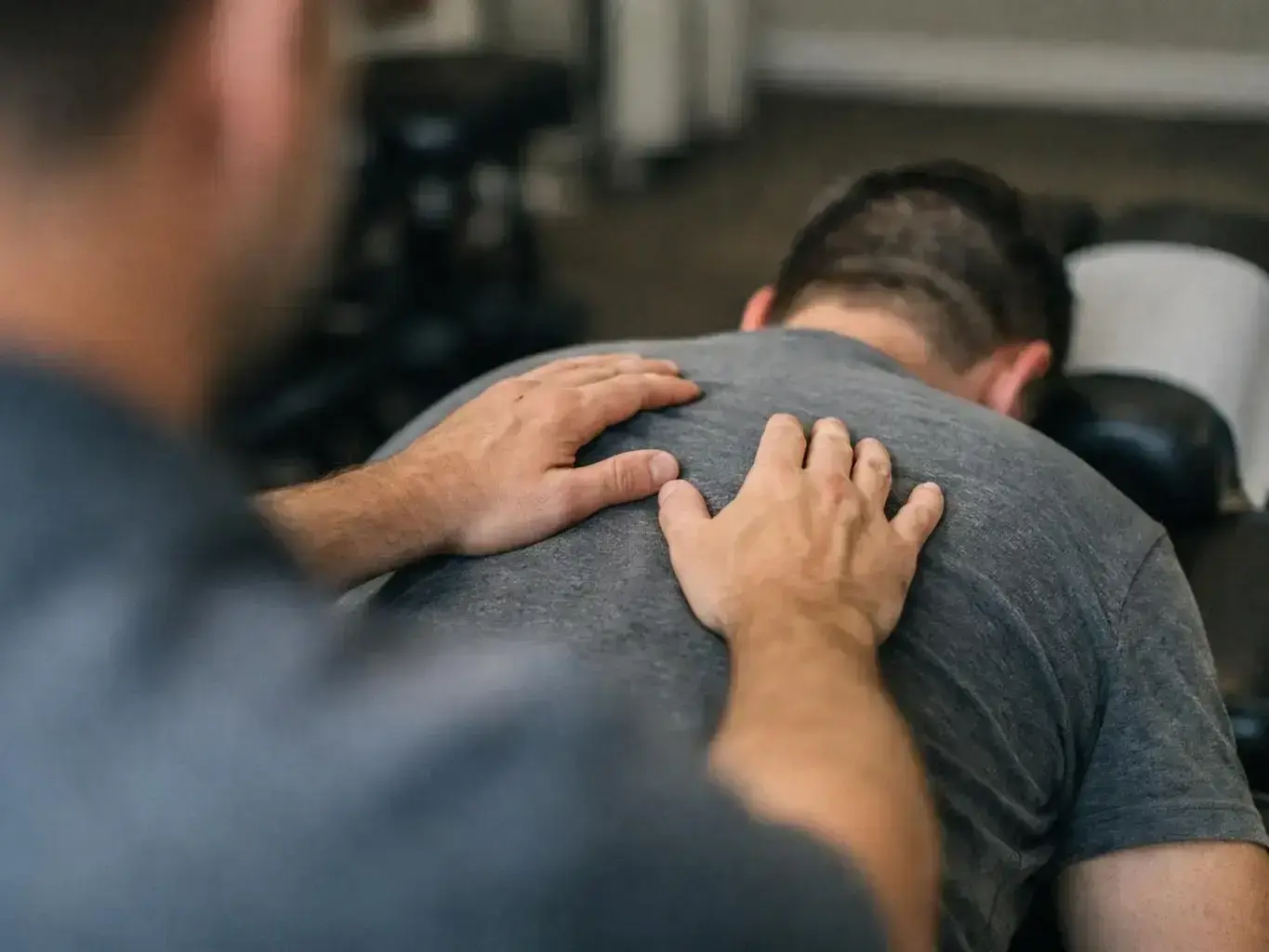
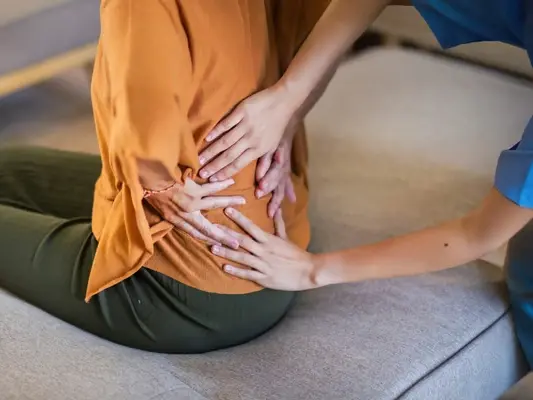
The process typically involves three key steps. First, the therapist assesses the patient’s movement patterns to identify dysfunctions, such as muscle imbalances or poor coordination. Next, they use hands-on techniques, like manual pressure or guided movements, to help the patient feel the correct muscle engagement. Finally, the patient practices specific exercises to reinforce proper movement, often with feedback from the therapist or tools like mirrors or biofeedback devices.
Common techniques include proprioceptive training (improving body awareness), rhythmic stabilization (teaching muscles to stabilize joints). And functional movement drills (practicing real-life activities like walking or lifting). The goal is to make these corrected movements automatic. So the patient can perform them without conscious effort in daily life.
Why Neuromuscular Reeducation Matters?
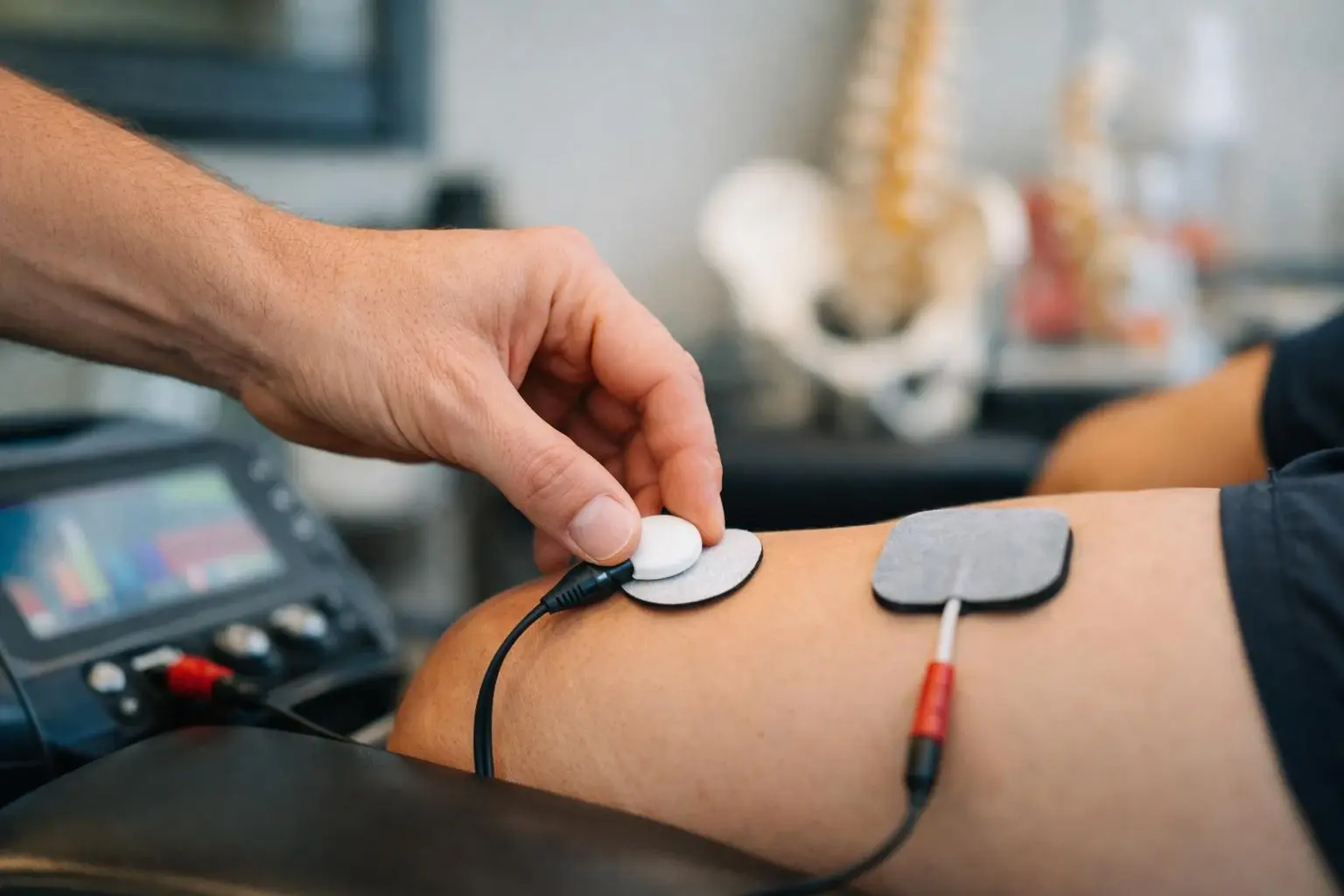
Neuromuscular Reeducation matters because it addresses the underlying cause of movement problems, not just the symptoms. Many therapies focus on reducing pain or increasing range of motion. But without retraining the nervous system, these improvements may not last. For example, someone with chronic back pain might find temporary relief from stretching. But if their muscles continue to fire incorrectly, the pain will likely return. Neuromuscular Reeducation helps break this cycle by teaching the body to move efficiently and pain-free.
For local customers, This therapy also plays a critical role in preventing reinjury. When the body moves incorrectly, it places stress on joints, ligaments. And muscles, increasing the risk of future injuries. By restoring proper movement patterns, Neuromuscular Reeducation reduces this risk and improves overall function. It’s particularly valuable for athletes, workers with physically demanding jobs. Or older adults looking to maintain mobility and independence.
When Neuromuscular Reeducation Matters Most?
Neuromuscular Reeducation is most important after events that disrupt normal movement, such as injuries, surgeries. Or neurological conditions. For example, someone recovering from a stroke may struggle with muscle weakness or coordination, making tasks like walking or grasping objects difficult. Similarly, athletes recovering from a ligament tear might need to relearn proper landing mechanics to avoid reinjury. In these cases, Neuromuscular Reeducation helps bridge the gap between initial recovery and full functional ability.
The therapy is also valuable for chronic conditions, such as arthritis or repetitive strain injuries, where long-term movement dysfunction has developed. For instance, a person with carpal tunnel syndrome might have weakened grip strength and poor hand coordination. Neuromuscular Reeducation can help retrain the muscles and nerves to improve dexterity and reduce strain. And it’s often used in post-surgical rehabilitation, such as after joint replacements or spinal surgeries, to ensure the body adapts to its new mechanics safely.
In Nashville, TN, where active lifestyles and physically demanding jobs are common, Neuromuscular Reeducation can be particularly beneficial. Whether recovering from a sports injury, a workplace accident. Or the effects of aging, patients can use this therapy to regain confidence in their movement and reduce the risk of future problems.