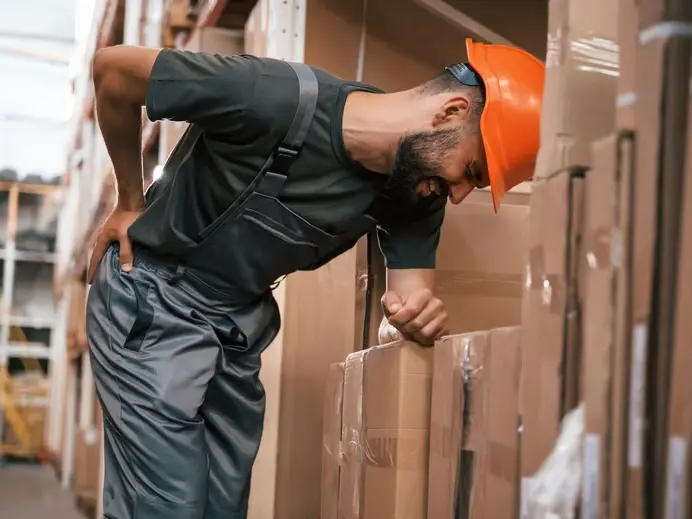
Understanding Spinal Stenosis
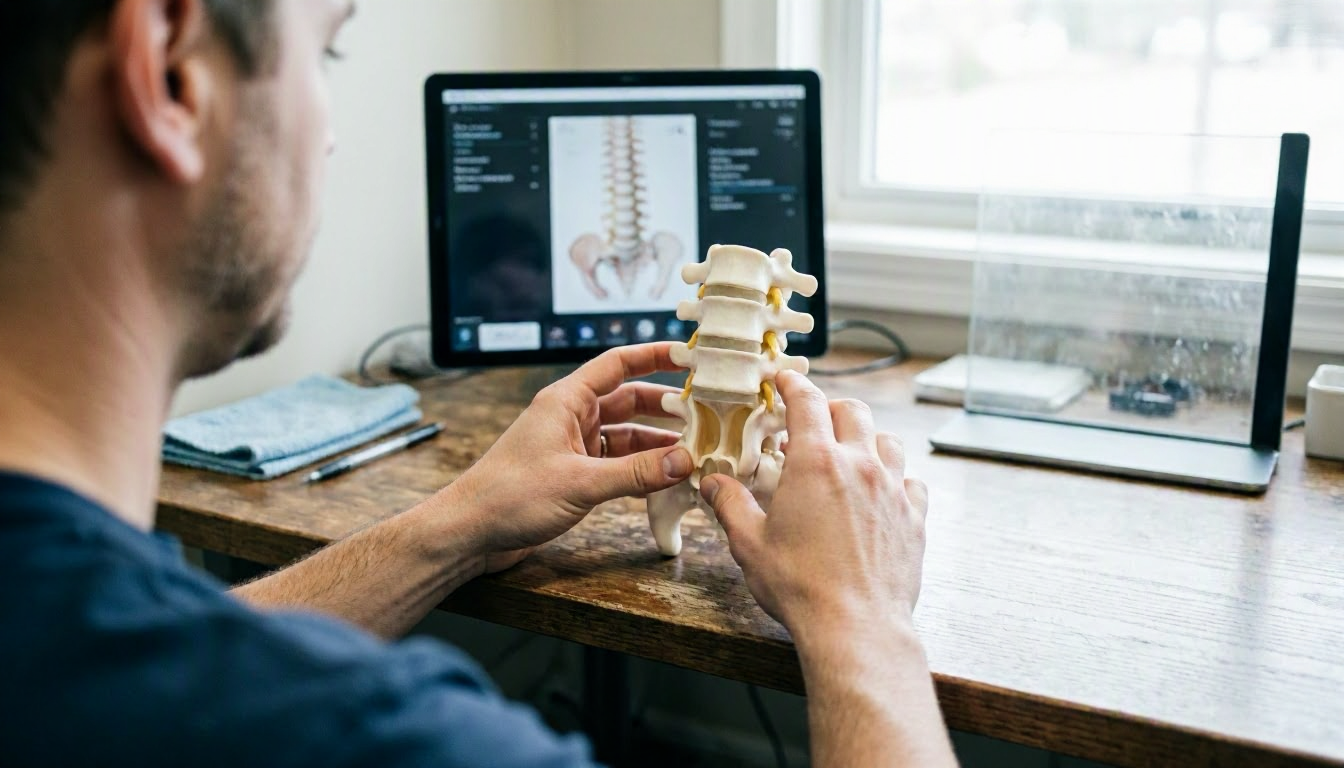
Spinal Stenosis is a problem. The spinal canal gets too narrow. This canal is inside your spine.
Related glossary terms: Herniated Disc, Nerve Compression, Sciatica.
It holds your spinal cord and nerves. When it narrows, nerves get squeezed. This can cause pain or tingling.
It can also cause weakness. The spine is made of bones called vertebrae. They stack up to protect your spinal cord.
Discs sit between these bones. They act like cushions. Ligaments hold everything together.
As people get older, discs dry out. Ligaments get thicker. Bones can grow spurs (small bumps).
All of this takes up space. It leaves less room for nerves.
Most Spinal Stenosis happens slowly. It is not from one injury. But a bad fall or car crash can make it worse.
It is most common in people over 50. Some younger people get it too. They may have spine problems from birth.
Symptoms can be different for everyone. Some feel mild discomfort. Others have bad pain or trouble walking.
Signs can look like other problems. These include arthritis or muscle strains. To know for sure, doctors use tests.
Tests like X-rays or MRI scans (pictures of your body) help. They show what is happening inside.
How Spinal Stenosis Works?
The spine has three main parts. The neck is the cervical spine. The mid-back is the thoracic spine.
The lower back is the lumbar spine. Spinal Stenosis often hits these two areas. They carry the most weight.
They also move the most. In the lower back, narrowing squeezes leg nerves. This can cause sciatica (leg pain).
In the neck, narrowing affects arm nerves. This can cause numbness or weakness. It can also cause balance problems.
Aging plays a big role in Spinal Stenosis. Over time, discs lose water. They shrink and leave less space.
Ligaments get thicker. They take up more room. Bone spurs can grow on vertebrae.
These spurs press on nerves. Not everyone with these changes feels symptoms. Some people do.
Genes, lifestyle. And old injuries can play a part. They decide if narrowing causes problems.
Doctors use tests to check Spinal Stenosis. X-rays, MRI scans. Or CT scans (special pictures) help.
These show the spinal canal size. They find where nerves are squeezed. Doctors measure the narrowest spots.
This shows how bad the problem is. But tests are not everything. Doctors also ask about symptoms.
They do physical exams. This helps them understand how the problem affects daily life.
Why Spinal Stenosis Matters?
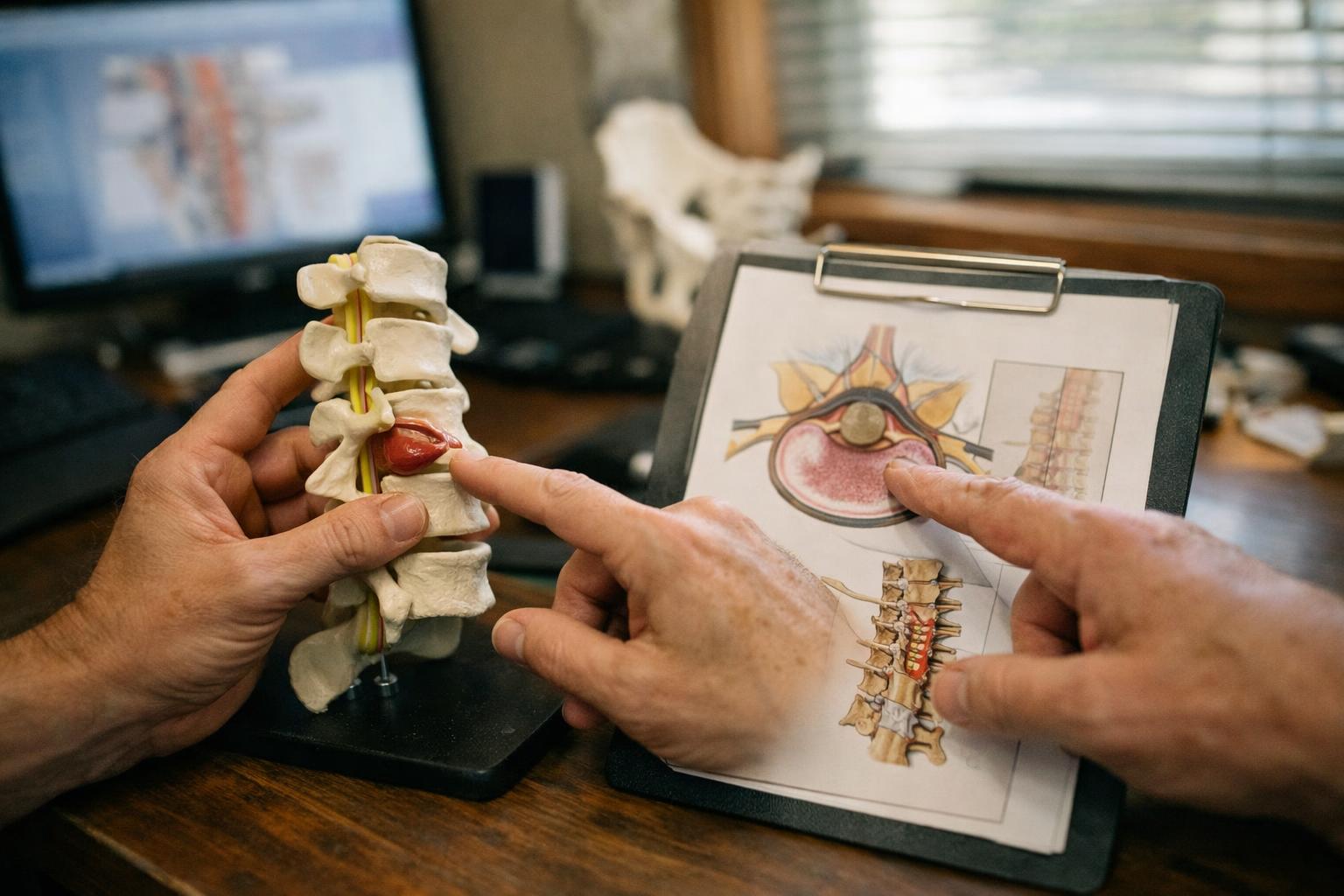
Spinal Stenosis matters a lot. It can hurt your quality of life. Nerves send wrong signals when squeezed.
This causes pain, numbness. Or weak muscles. Lower back stenosis can make walking hard.
Standing for a long time can be tough. Neck stenosis can make hands clumsy. Writing or buttoning shirts gets harder.
In bad cases, it can affect bladder or bowel control. This needs quick medical help. Even mild symptoms can be a problem.
They can make work or hobbies harder. They can also make exercise tough.
Spinal Stenosis can affect your mind too. Long-term pain can cause frustration. It can cause anxiety or sadness.
Early diagnosis helps. Treatment can manage symptoms. It can slow the problem down.
There is no cure for age-related Spinal Stenosis. But treatments can help. Physical therapy, medicine. Or surgery can ease pressure.
They can help you move better. Knowing about the condition helps. It lets you make good choices about care and lifestyle.
When Spinal Stenosis Matters Most?
Spinal Stenosis is very important in some cases. For older adults, it can limit movement. It can raise the risk of falls.
Falls can cause bad injuries. People with tough jobs may struggle. Symptoms can make work or exercise hard.
Athletes may feel pain or weakness. This can happen when bending, lifting. Or twisting. People healing from injuries should watch for signs.
A car crash or fall can make stenosis worse. It can also cause new symptoms.
Treatment depends on how bad it is. Mild cases may need simple care. Stretching or strengthening exercises can help.
Over-the-counter pain relievers work too. Bad cases may need surgery. This makes more room for nerves.
Some health problems make symptoms worse. Diabetes or poor circulation can do this. Nerves are already weak in these cases.
Regular check-ups help. They track changes. They let doctors adjust treatment.
In Nashville, TN, Spinal Stenosis can be a big problem. Many people hike, bike. Or play sports here.
The condition can make these activities hard. It can keep people from enjoying local attractions.
Many look for non-surgical treatments. Chiropractic care (spine adjustments) can help. So can physical therapy.
Knowing about the condition helps. It lets people ask the right questions. It helps them find all options for relief.