Understanding Spinal Decompression
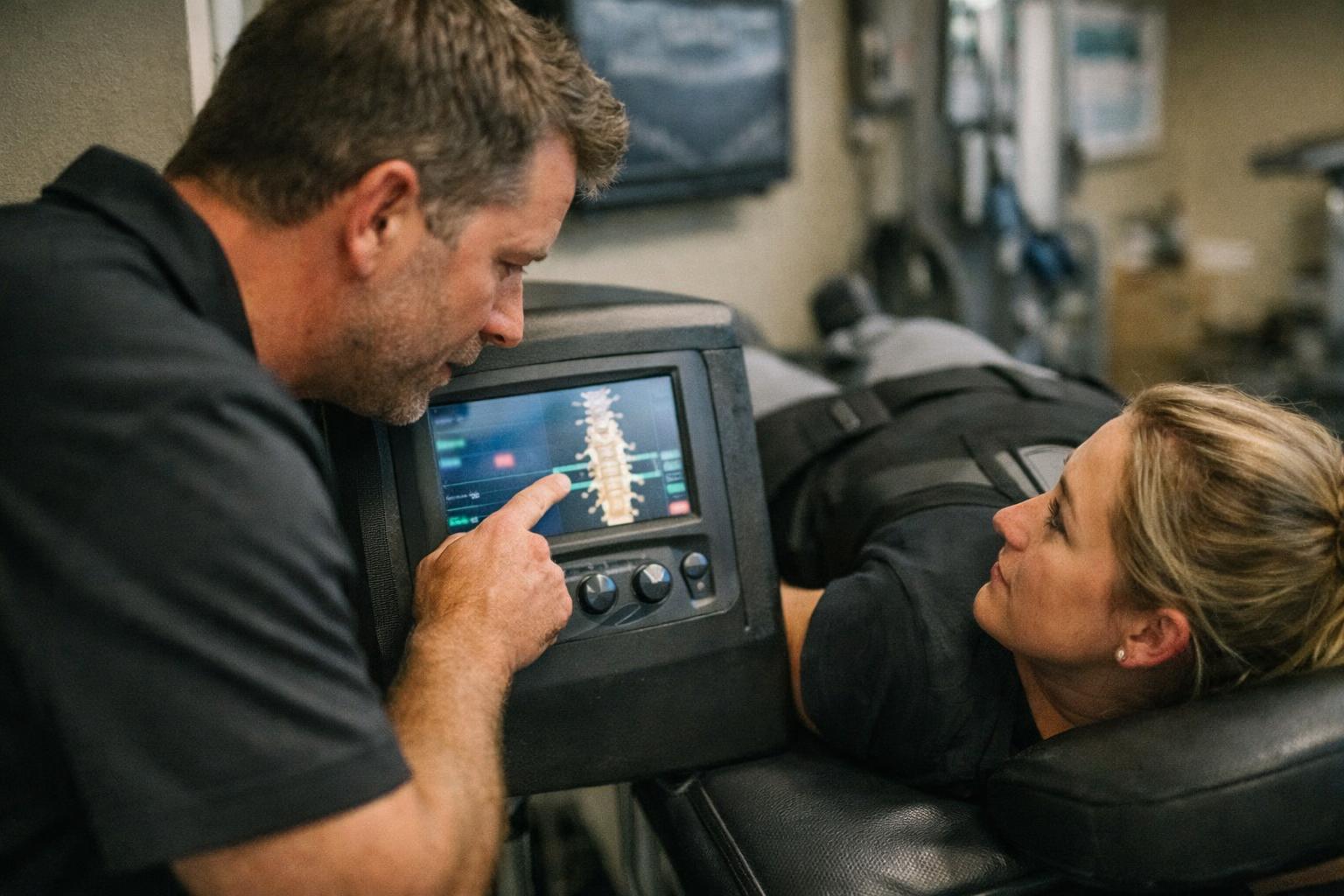
Spinal Decompression is a therapeutic technique used to treat chronic back pain and spinal conditions. It involves gently stretching the spine to relieve pressure on compressed nerves and spinal discs. This process can help reduce pain caused by herniated discs, sciatica, degenerative disc disease. And other spinal issues. Unlike surgical decompression, this method is non-invasive and doesn't require medication or recovery time.
Related glossary terms: Herniated Disc, Chiropractic Care, Spinal Adjustment.
The goal of Spinal Decompression is to create negative pressure within the spinal discs, which can help retract herniated or bulging discs. This negative pressure also promotes the flow of oxygen, water. And nutrient-rich fluids into the discs, supporting natural healing. Patients often experience relief from pain, improved mobility. And reduced nerve irritation after undergoing treatment.
How Spinal Decompression Works?
Spinal Decompression is typically performed using a specialized table or device that gently stretches the spine. The patient lies on the table, secured with a harness around the hips and another around the trunk. The table then applies a controlled pulling force to specific areas of the spine, alternating between tension and relaxation. This rhythmic stretching helps decompress the spinal discs and reduces pressure on nerves.
In practice, The treatment is usually administered in sessions lasting 15 to 45 minutes. Each session is custom to the patient's condition, with the chiropractor or therapist adjusting the force and duration based on the individual's needs. The process is painless. And many patients report feeling relaxed during the procedure. Over time, the decompression helps restore proper spinal alignment and function, reducing pain and improving overall spinal health.
Why Spinal Decompression Matters?
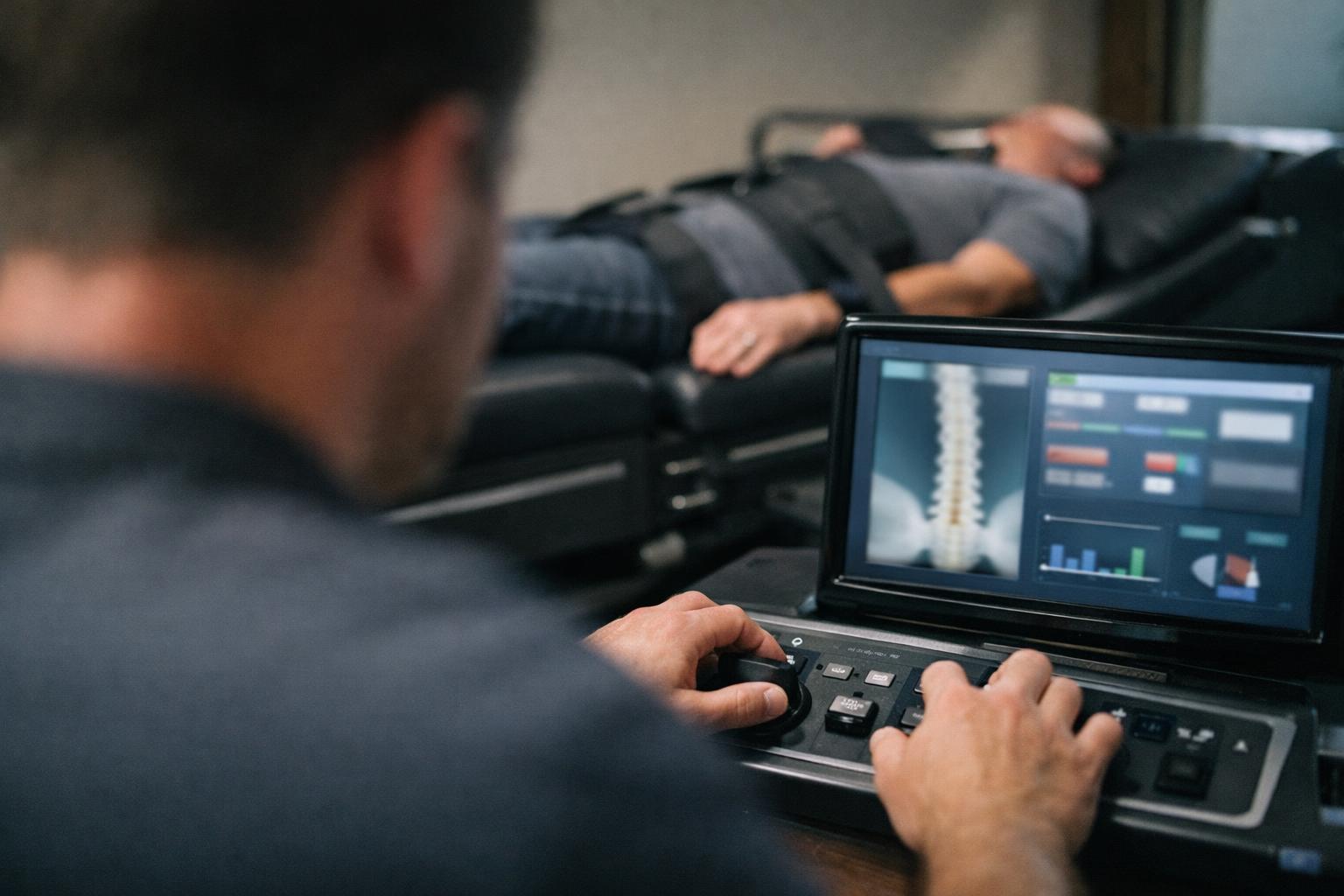
Spinal Decompression matters because it offers a safe and effective alternative to surgery for individuals suffering from chronic back pain and spinal conditions. Many people with herniated discs, sciatica. Or spinal stenosis experience significant pain and limited mobility, which can impact their daily lives. Spinal Decompression provides a non-invasive option to relieve this pain and improve quality of life without the risks or recovery time associated with surgery.
And Spinal Decompression can help prevent further deterioration of the spine by promoting healing and reducing inflammation. By creating space between vertebrae and improving disc hydration, the treatment supports long-term spinal health. This makes it a valuable option for patients looking to manage their condition without relying on pain medications or invasive procedures.
When Spinal Decompression Matters Most?
Spinal Decompression matters most for individuals experiencing chronic back pain, sciatica. Or nerve-related symptoms that have not responded to other treatments. It's particularly beneficial for those with herniated or bulging discs, degenerative disc disease. Or spinal stenosis. Patients who have tried physical therapy, medication. Or other conservative treatments without relief may find Spinal Decompression to be an effective solution.
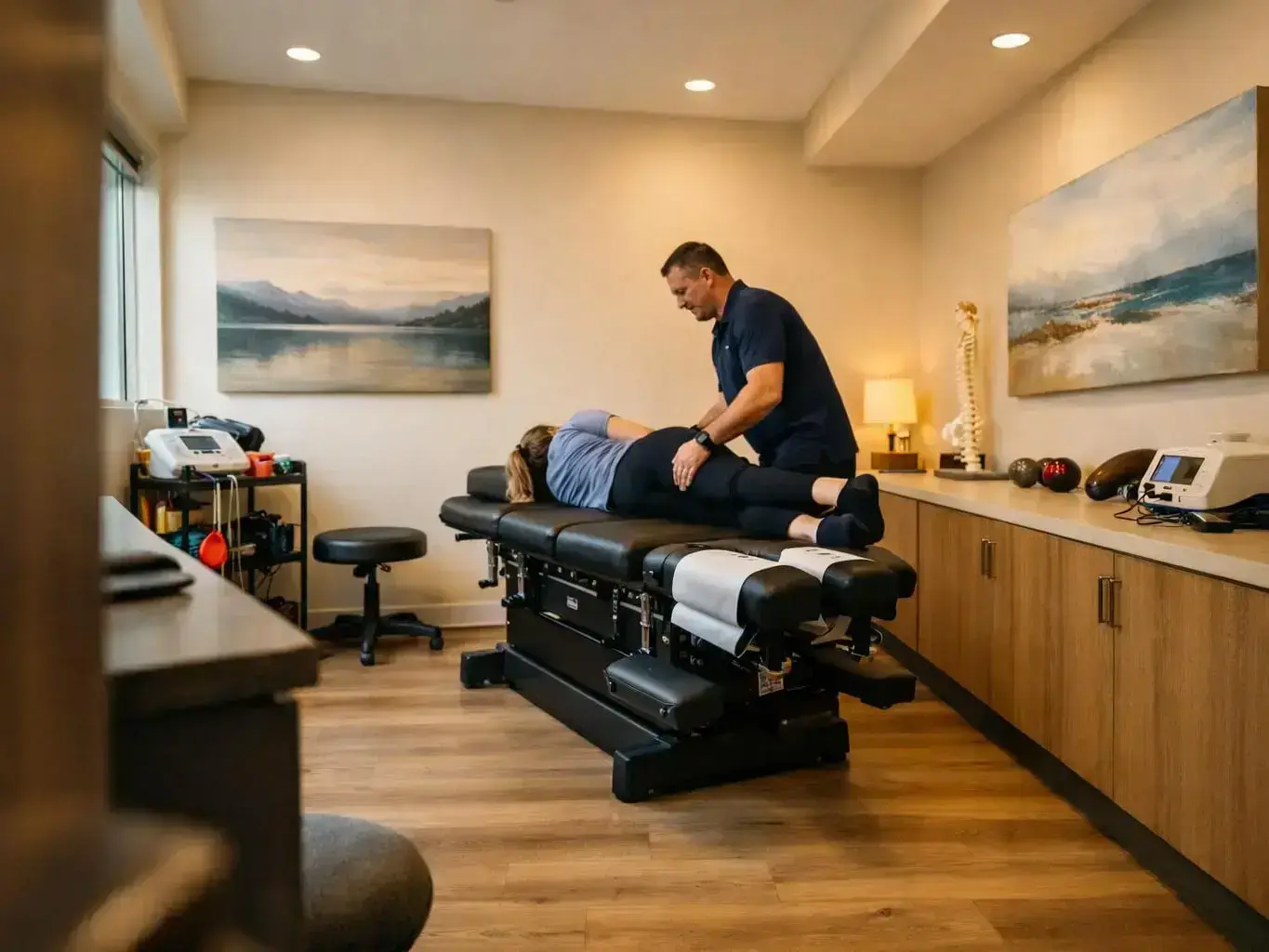
This treatment is also valuable for individuals who want to avoid surgery or are not candidates for surgical interventions due to health concerns. It is commonly used in chiropractic care, physical therapy. And rehabilitation settings to help patients regain mobility and reduce pain. For those dealing with work-related injuries, auto accidents. Or sports injuries, Spinal Decompression can be a key part of the recovery process.
In Nashville, TN, where many residents lead active lifestyles or work in physically demanding jobs, Spinal Decompression can help address spinal issues caused by repetitive stress, poor posture. Or injuries. Chiropractors in the area often recommend this treatment to patients seeking relief from back pain and improved spinal function.