Glossary

What is Spinal Adjustment?

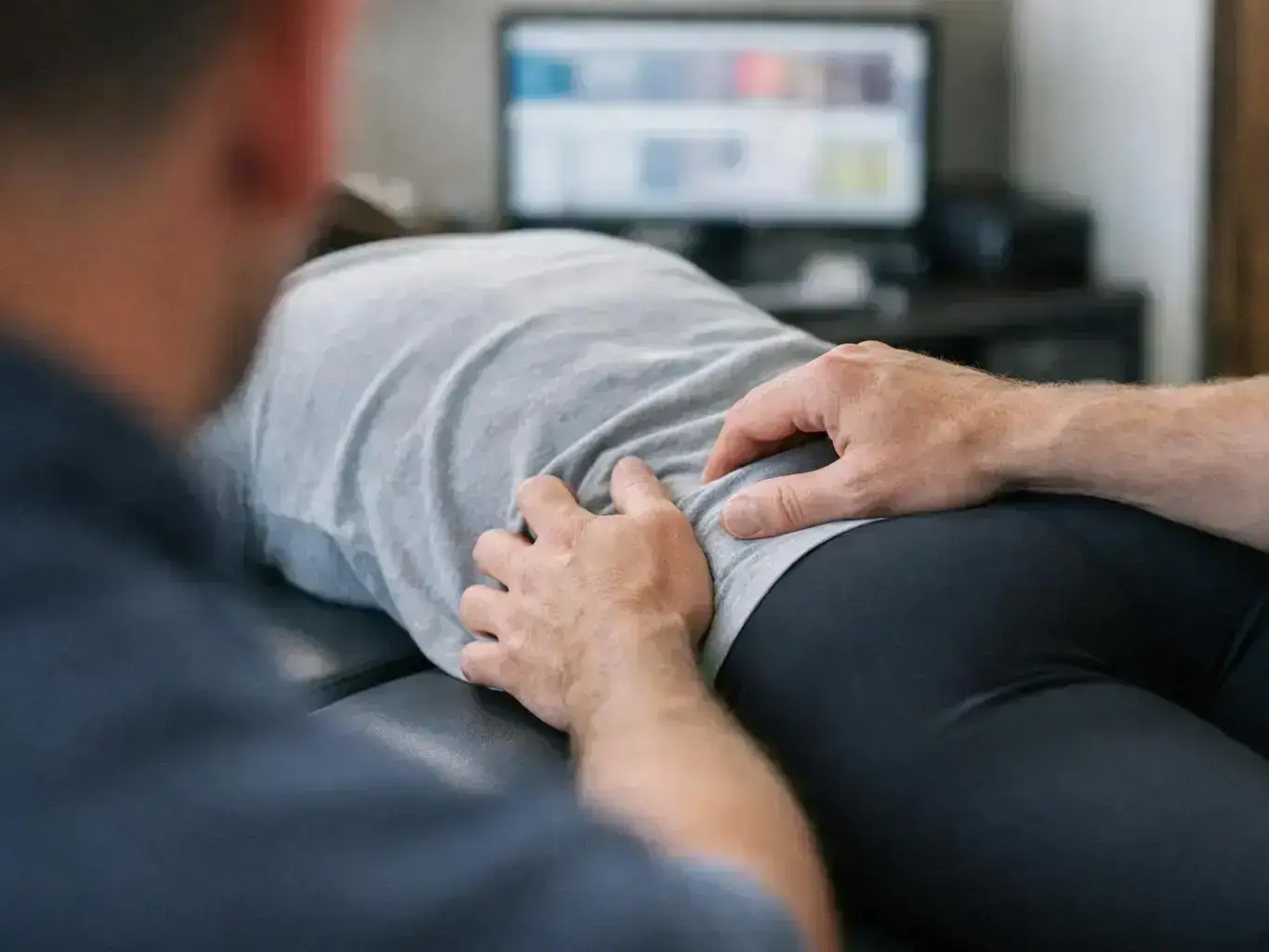
Spinal Adjustment is a hands-on procedure performed by a chiropractor to apply controlled force to a specific joint in the spine. The goal is to improve spinal motion, reduce nerve irritation. And restore function without surgery or medication. Adjustments are often used to relieve back pain, neck pain. And headaches caused by misaligned vertebrae or joint restrictions.

Reviewed by ChiropractorNashville.comSources reviewed: American Chiropractic Association, National Center for Complementary and Integrative Health

Quick Facts About Spinal Adjustment

Category

Chiropractic manual therapy

Used for

Back pain, neck pain, headaches, joint stiffness

Common confusion

Often mistaken for massage or physical therapy

Also called

Spinal Manipulation, Chiropractic Adjustment

Often discussed with

Neck Pain Treatment, Back Pain Treatment

Key Takeaways About Spinal Adjustment

Understanding Spinal Adjustment
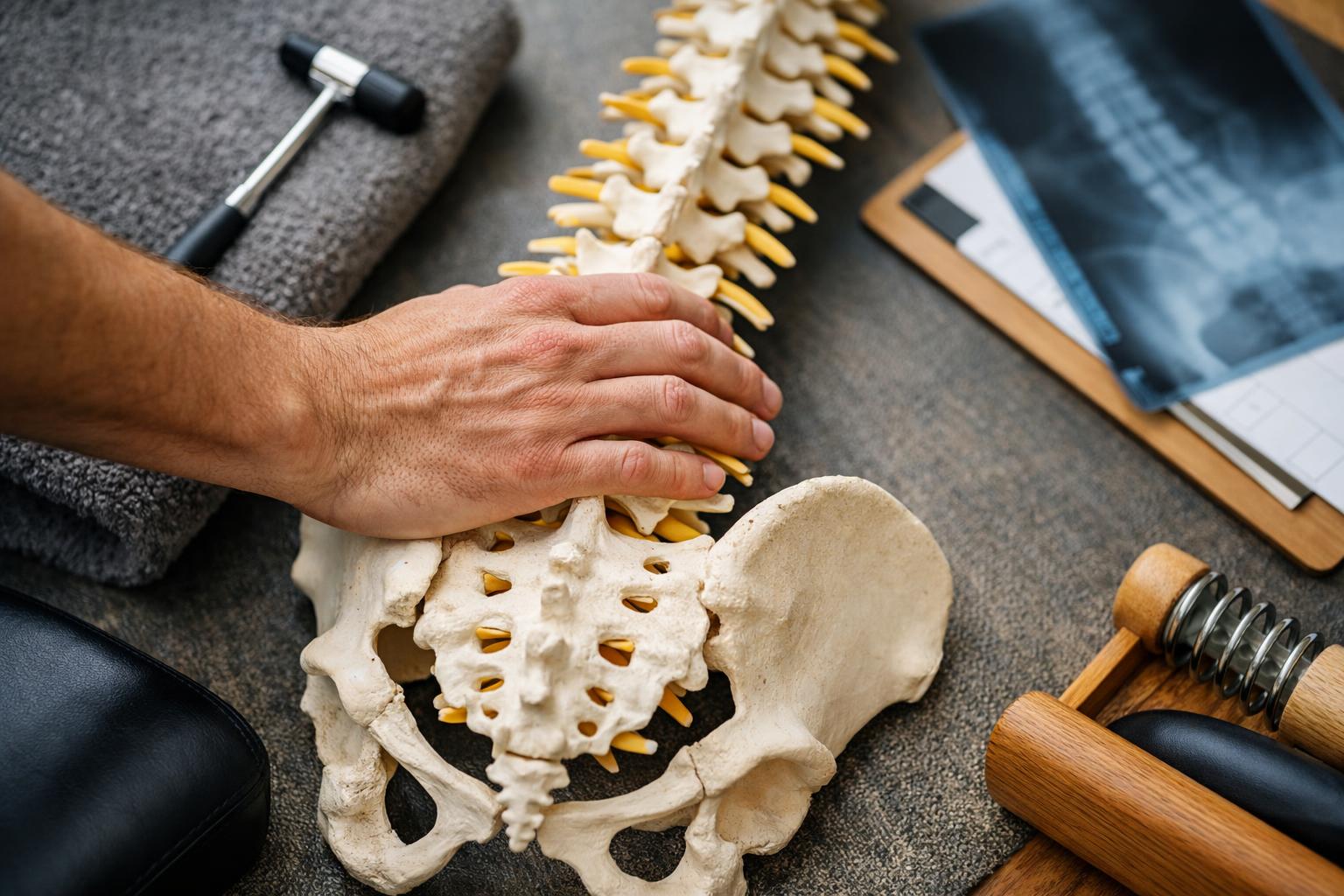
Spinal Adjustment in Chiropractor: Spinal Adjustment is a hands-on procedure performed by a chiropractor to apply—visual g...

A spinal adjustment is a key part of chiropractic care. It's also called spinal manipulation.

Related glossary terms: Chiropractic Adjustment, Spinal Manipulation, Chiropractic Care.

It uses a quick but controlled force. This force helps a spine joint that isn't moving right.

This can help the joint move normally again. It may cut pain and help you move better.

Most chiropractors do this by hand. Some may use small tools to help.

The spine has 24 bones called vertebrae. Each one connects to the next with joints.

These joints let you bend and twist. When they get stuck or out of place, they cause trouble.

They can press on nerves. This can cause pain, stiffness. Or muscle spasms.

Spinal adjustments fix these misalignments. They're often called subluxations (joints out of place).

They gently move the bones back where they belong. This takes pressure off nerves.

It can also cut swelling in nearby tissues.

How Spinal Adjustment Works?

First, the chiropractor checks your spine. They look for joints that don't move right.

They may do a physical exam. They might ask about your health history.

They could use X-rays (pictures of bones). This helps them find the problem joint.

Then, they put you in the right position. This lets them target the joint.

The adjustment is usually fast. You might hear a pop or crack.

That sound comes from gas bubbles in the joint fluid.

The force used is very careful. Chiropractors train a lot to learn this skill.

They make sure the pressure is just right. This keeps you safe.

The adjustment is quick. But its effects can last a long time.

Many people feel better right away. Some need more visits for the best results.

The goal isn't just to stop pain. It's to fix what's causing the pain.

Why Spinal Adjustment Matters?

How Spinal Adjustment applies to Chiropractor services in Nashville, United States—practical illustration

Spinal adjustments help with muscle and bone problems. They don't use drugs or surgery.

They can help with back pain, neck pain. Or headaches. This gives a drug-free way to feel better.

This is great for people who can't take medicine. It's also good for those who want to avoid surgery.

Fixing the spine can help you move better. Daily tasks get easier.

It can also lower the chance of future injuries.

Adjustments can help your body heal itself. When the spine is straight, nerves work better.

This lets signals travel from brain to body. It can help with balance and muscle tightness.

It may even help your immune system. Athletes use adjustments to stay at their best.

They can stop injuries from joint problems. Adjustments keep the body in top shape.

When Spinal Adjustment Matters Most?

Spinal adjustments help with spine pain. They work for sudden or long-term pain.

They can treat low back pain, neck pain. And sciatica (leg nerve pain).

They also help with tension headaches. Adjustments can fix pain after injuries.

This includes car accidents or sports injuries. Some people try other treatments first.

If those don't work, adjustments might help. They work best for joint or nerve problems.

Adjustments are good for prevention too. Regular spine checks catch small problems early.

This stops bigger issues later. It's key for people with tough jobs.

It helps those who do the same motion over and over. Poor posture can hurt the spine too.

Adjustments help people healing from surgery. They can ease arthritis (joint swelling) pain.

They keep you moving and cut discomfort. But check with a doctor first.

They'll tell you if adjustments are right for you.

How to Evaluate Spinal Adjustment?

Related Concepts Compared

Spinal Adjustment vs. Chiropractic Manipulation

Chiropractic Manipulation is a broader term that includes any hands-on technique to improve joint function. While Spinal Adjustment specifically targets the spine.

Spinal Adjustment vs. Physical Therapy

Physical Therapy focuses on exercises and stretches to strengthen muscles. While Spinal Adjustment uses manual force to correct joint alignment.

Spinal Adjustment vs. Massage Therapy

Massage Therapy targets soft tissues like muscles and tendons. While Spinal Adjustment focuses on joints and bones in the spine.

Expert Note

While many patients feel immediate relief after a Spinal Adjustment, some may experience temporary soreness. This is normal and typically resolves within 24 hours. Consistent follow-up care is key to long-term improvement.

Common Mistakes or Myths About Spinal Adjustment

  • Assuming Spinal Adjustments are the same as massage or physical therapy.
  • Expecting instant, permanent relief after one session.
  • Choosing a chiropractor without verifying their license or experience.
  • Ignoring post-adjustment soreness, which is usually temporary.
  • Skipping follow-up appointments when multiple sessions are recommended.

Spinal Adjustment in Practice: A Real-World Example

After a car accident, a patient in Nashville visits a chiropractor for neck pain. The chiropractor identifies a misaligned vertebra and performs a Spinal Adjustment. The patient feels reduced stiffness and improved range of motion after the first session, with further relief over subsequent visits.

Sources & Further Reading on Spinal Adjustment

Related Services

Related Terms

Chiropractic Adjustment

Chiropractic Adjustment is a hands-on procedure where a licensed chiropractor applies controlled force to a specific joint, usually in the spine, to improve alignment, reduce pain. And restore movement. The adjustment often produces a popping sound caused by gas releasing from the joint, which is normal and not painful.

Spinal Manipulation

Spinal Manipulation is a hands-on technique used by chiropractors and other trained healthcare providers to apply controlled force to a joint in the spine. The goal is to improve spinal motion, reduce pain. And restore function by realigning vertebrae that may be misaligned or restricted in movement. It is often accompanied by a popping or cracking sound caused by gas bubbles releasing from the joint.

Chiropractic Care

Chiropractic Care is a health care profession focused on diagnosing and treating musculoskeletal disorders, particularly those related to the spine. Chiropractic Care involves manual adjustments, spinal manipulations. And other non-invasive techniques to relieve pain, improve mobility.

Manual Therapy

Manual Therapy is a hands-on clinical approach used by trained healthcare providers to diagnose and treat musculoskeletal pain and dysfunction. Manual Therapy techniques include joint mobilizations, soft tissue manipulation, stretching. And muscle energy methods to improve movement, reduce pain. And restore function without surgery or medication.

ChiropractorNashville.com

Have Questions About Spinal Adjustment?

Contact ChiropractorNashville.com for practical guidance on Spinal Adjustment and related chiropractor work in Nashville.

+1 615-777-0624