Understanding Sciatica
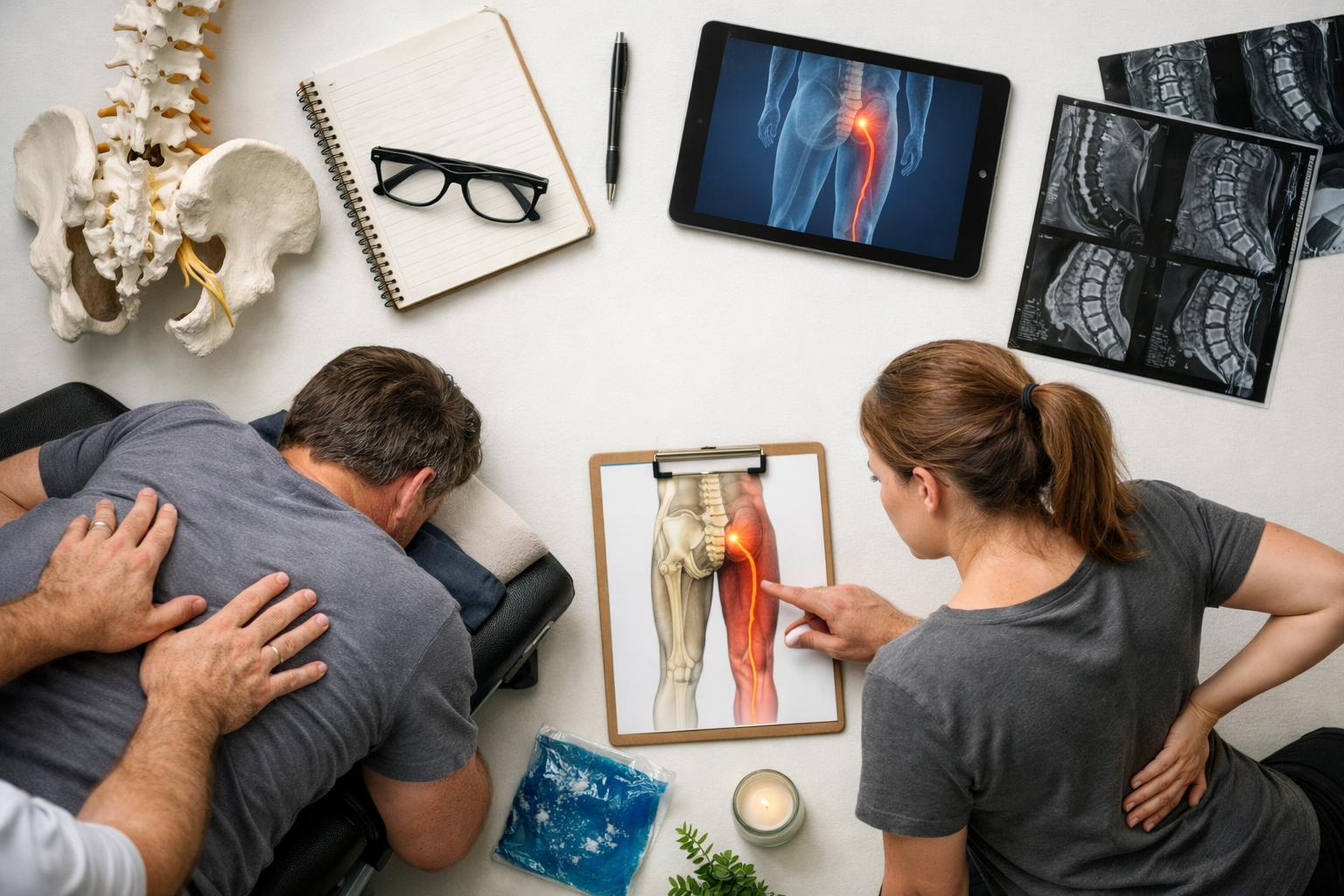
Sciatica describes pain that follows the path of the sciatic nerve. This large nerve starts in the lower spine, branches through the pelvis. And extends down each leg. When something presses on or irritates the nerve—such as a slipped disk or bone spur—it sends shooting pain, tingling. Or numbness along its route. Most people feel sciatica on just one side of the body. And the pain often worsens with sitting, coughing. Or sudden movements.
The pain can range from mild discomfort to severe, debilitating agony. Some people also experience muscle weakness in the affected leg or foot. While sciatica can be alarming, it usually improves with conservative care like rest, gentle exercises. And pain relief. Only a small percentage of cases require surgery. And most people recover within a few weeks.
How Sciatica Works?
The sciatic nerve is the longest and thickest nerve in the body, made up of five nerve roots that exit the spine. When one of these roots gets compressed—often by a bulging disk, arthritis-related bone growth. Or muscle tightness, it sends abnormal signals to the brain. These signals register as pain, burning. Or electric-like shocks down the leg. The location and intensity of the pain depend on which nerve root is affected.
Doctors diagnose sciatica through a physical exam and patient history. They may ask about the pain’s location, what makes it worse. And whether there’s numbness or weakness. Imaging tests like X-rays or MRIs help confirm the cause, especially if symptoms last longer than a few weeks or involve severe muscle weakness. Understanding the cause helps guide the right treatment plan.
Why Sciatica Matters?

Sciatica matters because it can significantly disrupt daily life. The pain can make sitting, standing. Or walking difficult, affecting work, sleep. And routine activities. Even mild cases can cause discomfort that reduces mobility and quality of life. Left untreated, severe sciatica may lead to permanent nerve damage, causing ongoing weakness or loss of sensation in the leg. Early treatment helps prevent complications and speeds recovery.
For most people, sciatica is a temporary condition. For many customers, that is the difference. But it can signal underlying spinal issues that may worsen without proper care. Addressing sciatica early often leads to better outcomes, reducing the need for invasive treatments like injections or surgery. Simple lifestyle changes, such as improving posture or strengthening core muscles, can also help prevent future flare-ups.
When Sciatica Matters Most?
Sciatica becomes especially important in certain situations. If pain lasts longer than a week, worsens over time. Or spreads to both legs, it’s a sign to seek medical advice. Sudden, severe pain after an injury - such as a fall or car accident - also warrants prompt evaluation, as it could indicate a more serious problem like a fractured vertebra. People with diabetes or weakened immune systems should be extra cautious, as nerve pain can sometimes signal an infection or other medical condition.
Sciatica also matters for people whose jobs involve heavy lifting, prolonged sitting. Or repetitive motions. These activities can strain the lower back and increase the risk of nerve compression. Pregnant women may experience sciatica due to the extra weight and pressure on the spine. Though the pain usually resolves after childbirth. In all cases, paying attention to symptoms and seeking timely care helps avoid long-term issues.