Glossary

What is Muscle Energy Technique?

Muscle Energy Technique is a hands-on treatment method used by chiropractors and physical therapists to improve joint mobility and reduce muscle tension. It involves the patient actively contracting specific muscles against a controlled counterforce applied by the practitioner, followed by relaxation and stretching to restore normal movement.

Reviewed by Advanced Injury Care ClinicSources reviewed: American Academy of Osteopathy, Journal of Bodywork and Movement Therapies

Quick Facts About Muscle Energy Technique

Category

Manual therapy technique

Used for

Joint stiffness, muscle tightness, postural imbalances

Common confusion

Often mistaken for passive stretching or high-velocity adjustments

Also called

MET, Post-Isometric Relaxation

Often discussed with

Neck Pain Treatment, Back Pain Treatment

Key Takeaways About Muscle Energy Technique

Understanding Muscle Energy Technique
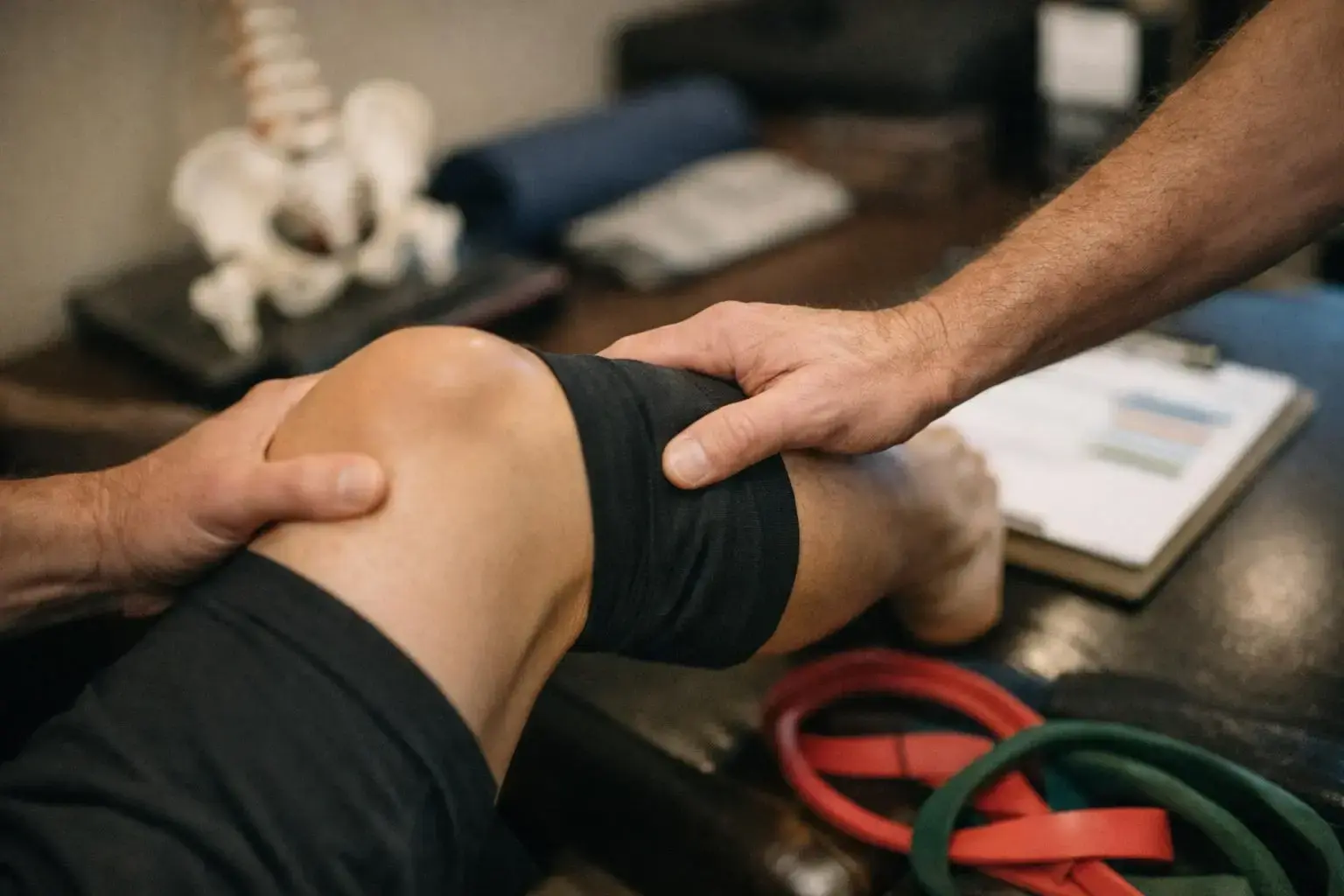
Muscle Energy Technique in Chiropractor: Muscle Energy Technique is a hands-on treatment method used by chiropractors and—...

Muscle Energy Technique, often abbreviated as MET, is a form of manual therapy that blends active patient participation with skilled practitioner guidance. Unlike traditional chiropractic adjustments that rely on quick thrusts or passive stretching, MET requires the patient to contract specific muscles against a controlled resistance provided by the chiropractor or therapist. This contraction is held for a few seconds, followed by a period of relaxation and gentle stretching. The process is repeated several times to gradually improve joint range of motion and reduce muscle tightness.

Related glossary terms: Chiropractic Manipulation, Myofascial Release, Active Release Technique.

The technique is grounded in the principle of post-isometric relaxation, where a muscle briefly relaxes after being contracted. This relaxation phase allows the practitioner to lengthen the muscle and mobilize the joint more effectively than passive stretching alone. MET is particularly useful for patients who may not tolerate more aggressive forms of manipulation, such as those with acute pain, osteoporosis. Or recent injuries. It's also commonly used to address postural imbalances, such as those caused by prolonged sitting or repetitive movements.

How Muscle Energy Technique Works?

Muscle Energy Technique works through a series of precise steps designed to reset muscle tension and improve joint function. The process begins with the practitioner assessing the patient’s range of motion and identifying areas of restriction. Once the target muscle or joint is identified, the patient is positioned comfortably, often lying down or seated. The practitioner then applies a gentle counterforce while instructing the patient to contract the muscle in a specific direction for about 5-10 seconds. After the contraction, the patient relaxes. And the practitioner takes up the slack in the muscle or joint, often moving it into a new range of motion.

A practical next step is The key to MET’s effectiveness lies in the timing and direction of the contraction. The practitioner must carefully control the force and angle to avoid overloading the muscle or joint. For example, if a patient has limited rotation in their neck, the practitioner might ask them to turn their head gently against resistance, then guide the head further into rotation after the contraction. This process is typically repeated 3-5 times per session, with the goal of gradually increasing the joint’s mobility. MET can be used on nearly any muscle group. But it is most commonly applied to the spine, pelvis, shoulders. And hips.

Why Muscle Energy Technique Matters?

How Muscle Energy Technique applies to Chiropractor services in Nashville, United States—practical illustration

Muscle Energy Technique matters because it offers a safe, effective way to address joint and muscle restrictions without the risks associated with more forceful manipulations. Many patients, particularly those with chronic pain, acute injuries. Or conditions like arthritis, find MET to be a gentler alternative to high-velocity adjustments. The technique also empowers patients by involving them actively in their treatment, which can improve their awareness of posture and movement patterns. This active participation often leads to better long-term outcomes, as patients learn how to manage their symptoms through proper muscle engagement and stretching.

Another advantage of MET is its versatility. It can be used as a standalone treatment or combined with other therapies, such as spinal adjustments, myofascial release. Or exercise rehabilitation. For example, a chiropractor might use MET to loosen tight hip muscles before performing a spinal adjustment, making the adjustment more effective and comfortable for the patient. MET is also valuable in sports medicine, where it helps athletes recover from injuries and improve performance by restoring optimal muscle and joint function.

When Muscle Energy Technique Matters Most?

Muscle Energy Technique is particularly useful in situations where joint mobility is restricted due to muscle tightness or postural imbalances. Common scenarios include patients recovering from injuries, such as whiplash or strains, where muscle guarding limits movement. It is also beneficial for individuals with chronic conditions like lower back pain, sciatica. Or tension headaches, where muscle tension contributes to discomfort. MET can be especially helpful for patients who are hesitant about more aggressive forms of manipulation, such as those with osteoporosis, recent surgeries. Or a history of trauma.

In Nashville, TN, where many residents lead active lifestyles or work in physically demanding jobs, Muscle Energy Technique is often used to address issues like neck stiffness from desk work, hip tightness from running. Or pelvic imbalances from prolonged sitting. Chiropractors in the area may also use MET as part of a full treatment plan for car accident injuries, work-related strains. Or sports injuries. By incorporating MET into their practice, chiropractors can provide a well-rounded approach to care that addresses both joint and muscle dysfunction.

How to Evaluate Muscle Energy Technique?

Related Concepts Compared

Muscle Energy Technique vs. Active Release Technique

Active Release Technique focuses on breaking up scar tissue and adhesions in muscles. While Muscle Energy Technique uses muscle contractions to improve joint mobility.

Muscle Energy Technique vs. Spinal Manipulation

Spinal manipulation uses quick, forceful thrusts to adjust joints, whereas Muscle Energy Technique relies on gentle, patient-driven contractions.

Muscle Energy Technique vs. Myofascial Release

Myofascial release involves sustained pressure to stretch fascia. While Muscle Energy Technique uses active muscle contractions to achieve similar goals.

Expert Note

Muscle Energy Technique is highly effective for patients who need gentle, controlled movement improvements. Its success depends on precise timing and patient cooperation, making it essential for practitioners to clearly communicate instructions and monitor progress closely.

Common Mistakes or Myths About Muscle Energy Technique

  • Assuming Muscle Energy Technique is the same as passive stretching or massage.
  • Expecting immediate, dramatic results after one session rather than gradual improvement.
  • Contracting muscles too forcefully, which can cause discomfort or injury.
  • Not following the practitioner’s instructions for timing and direction of contractions.
  • Using MET on areas with acute inflammation or untreated fractures.

Muscle Energy Technique in Practice: A Real-World Example

A patient visits a chiropractor in Nashville for chronic lower back pain after sitting at a desk for long hours. The chiropractor uses Muscle Energy Technique to address tight hip flexors, asking the patient to gently push their knee against the practitioner’s hand for a few seconds. After each contraction, the chiropractor guides the hip into a deeper stretch, gradually improving flexibility and reducing pain.

Sources & Further Reading on Muscle Energy Technique

Related Services

Related Terms

Chiropractic Manipulation

Chiropractic Manipulation is a hands-on treatment where a licensed chiropractor applies controlled force to joints, especially in the spine, to improve motion, reduce pain. And restore function. Chiropractic Manipulation focuses on the musculoskeletal system and its connection to the nervous system without using surgery or medication.

Myofascial Release

Myofascial Release is a hands-on therapy that gently stretches and relaxes tight fascia, the thin connective tissue surrounding muscles, bones. And organs. A trained provider uses slow, sustained pressure to release tension, improve mobility. And reduce pain caused by tight or injured fascia. This technique is often used alongside chiropractic care to support recovery from injuries or chronic muscle stiffness.

Active Release Technique

Active Release Technique is a patented, hands-on soft tissue treatment that targets muscles, tendons, ligaments, fascia. And nerves to relieve pain and restore movement. Developed by chiropractor P. Michael Leahy, it combines precise pressure with patient movement to break up scar tissue and adhesions that form from overuse or injury.

Spinal Manipulation

Spinal Manipulation is a hands-on treatment technique used by chiropractors and other healthcare providers to relieve pain and improve function in the spine. It involves applying controlled force to specific joints, often producing a popping or cracking sound as gas escapes from the joint fluid. This process aims to restore mobility, reduce muscle tension.

Soft Tissue Injury

Soft Tissue Injury is damage to the body’s muscles, tendons, ligaments. Or other non-bony structures caused by sudden trauma, overuse. Or repetitive strain. Soft Tissue Injuries include sprains, strains, bruises. And tendonitis, often leading to pain, swelling. And limited movement. These injuries can occur during sports, accidents. Or daily activities and may require rest, therapy.

ChiropractorNashville.com

Have Questions About Muscle Energy Technique?

Contact ChiropractorNashville.com for practical guidance on Muscle Energy Technique and related chiropractor work in Nashville.

+1 615-777-0624