Understanding Active Release Technique

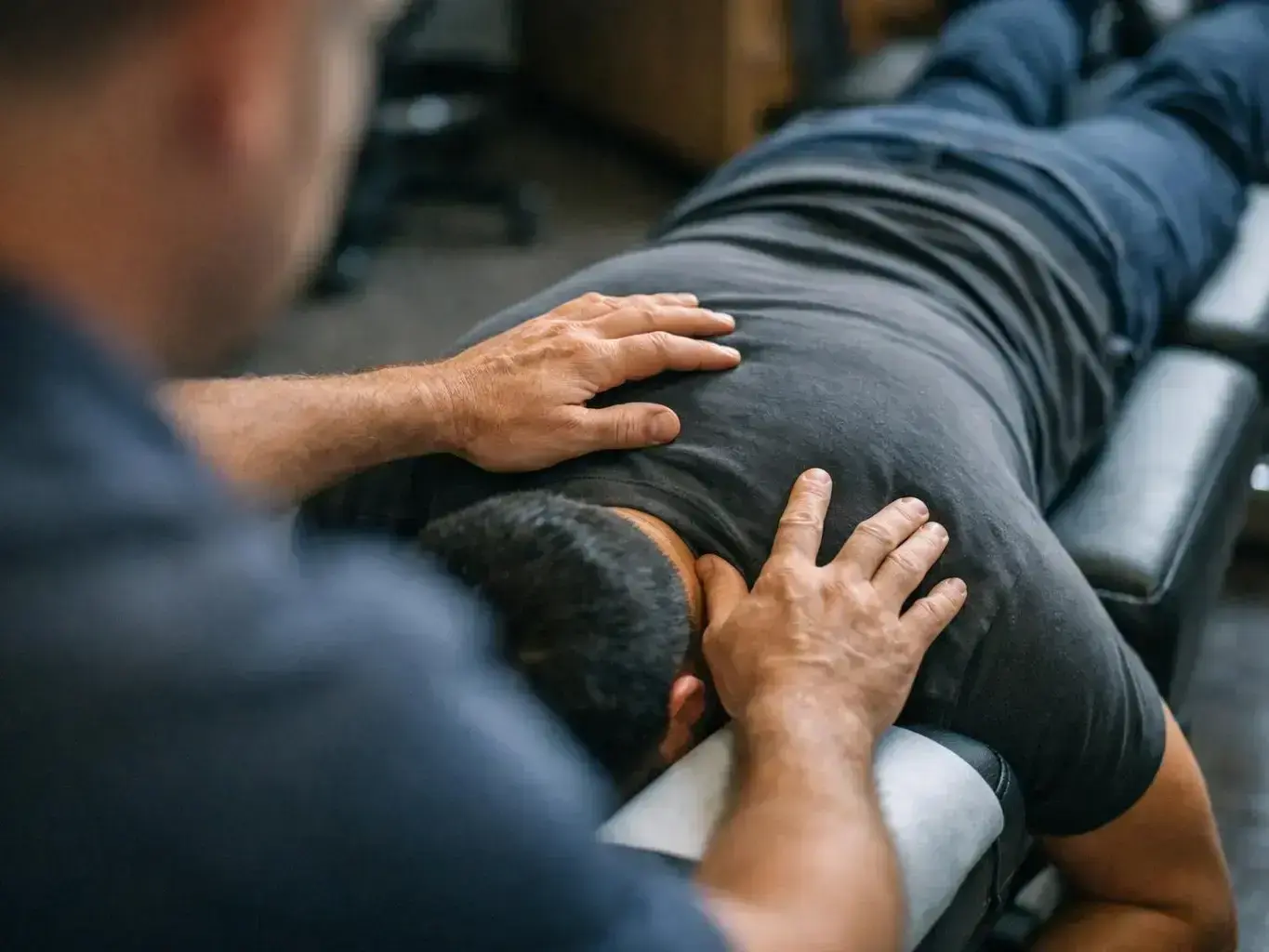
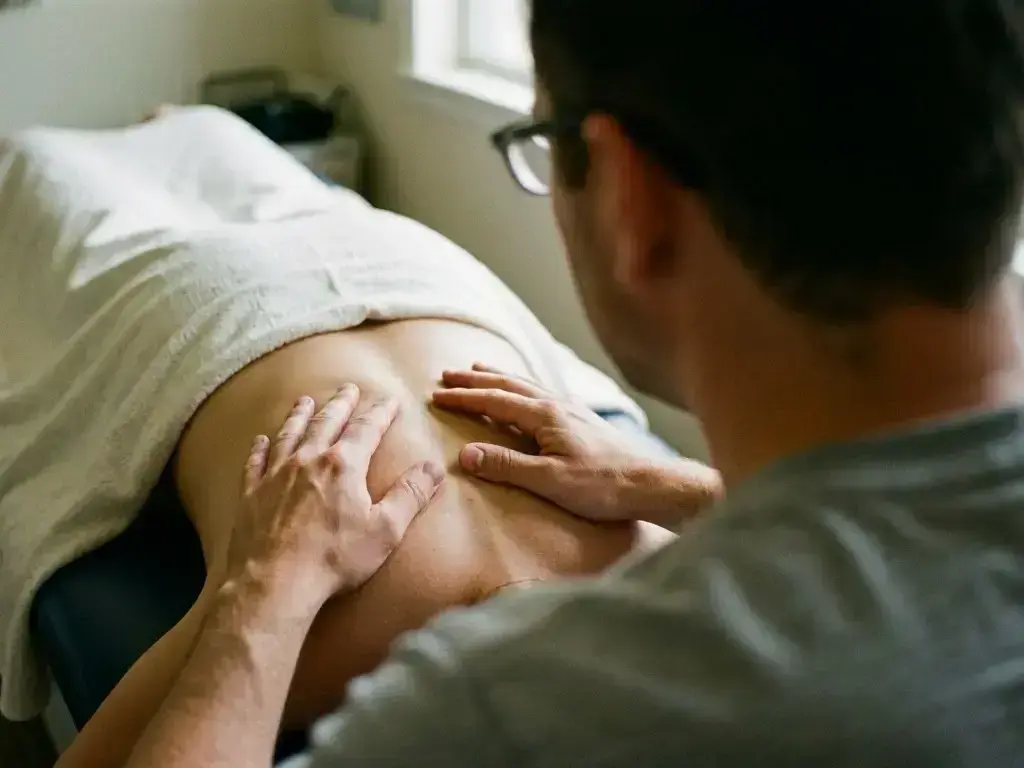
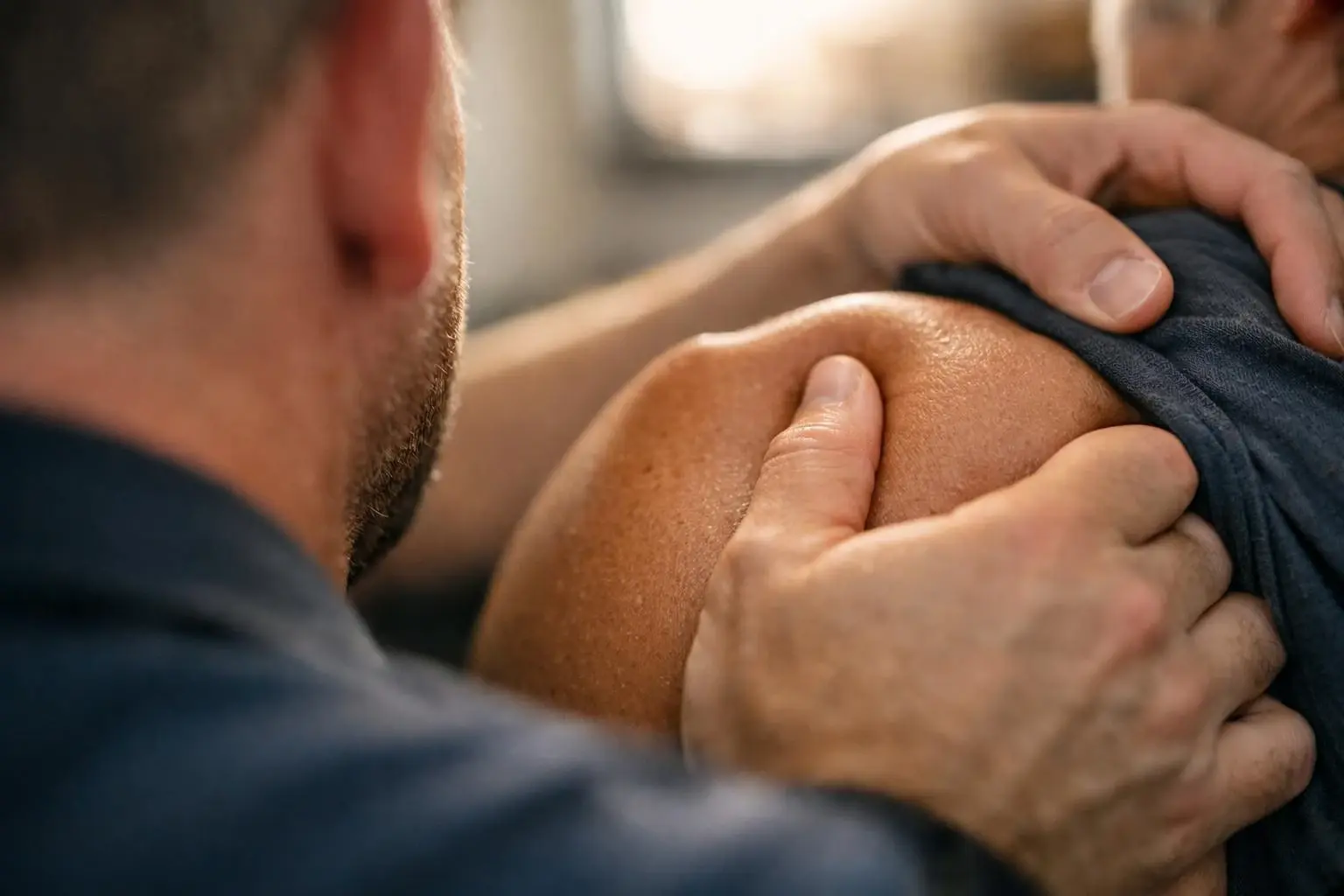
Active Release Technique (ART) is a specialized soft-tissue treatment method designed to address injuries and dysfunctions in muscles, tendons, ligaments, fascia. And nerves. Unlike traditional massage or passive stretching, ART involves the provider applying precise manual pressure to a specific area while the patient actively moves the affected body part. This combination helps break up adhesions—bands of scar tissue that form after injury or overuse—which can restrict movement, cause pain. And contribute to chronic conditions.
Related glossary terms: Myofascial Release, Chiropractic Adjustment, Soft Tissue Injury.
ART was developed in the 1980s by chiropractor P. Michael Leahy after observing that many of his patients had soft-tissue injuries that did not respond to conventional treatments. Leahy found that by applying tension to the tissue while the patient moved, he could more effectively release adhesions and restore normal function. Today, ART is widely used by healthcare providers, including chiropractors, physical therapists. And athletic trainers, to treat a range of conditions, from repetitive strain injuries to sports-related trauma.
How Active Release Technique Works?
The ART process begins with a thorough evaluation, where the provider assesses the patient’s movement patterns, identifies areas of restricted motion. And locates tender or tight spots in the soft tissue. During treatment, the provider uses their hands to apply pressure to a specific muscle, tendon. Or ligament while the patient performs a controlled movement. This movement is custom to the affected tissue, ensuring that the pressure is applied in the direction needed to release adhesions. For example, if treating a hamstring injury, the provider might apply pressure to the muscle while the patient actively flexes and extends the knee.
The technique relies on the principle that adhesions form when tissue is damaged, either through acute injury or repetitive stress. These adhesions can bind muscles, nerves. And other structures together, leading to pain, weakness. And reduced range of motion. By combining manual pressure with active movement, ART helps restore the normal sliding and gliding of tissues, improving circulation, reducing inflammation. And promoting healing. Each session typically lasts 10 to 15 minutes per area treated. And patients often experience immediate improvements in mobility and pain relief.
ART is not a one-size-fits-all approach. Providers undergo extensive training and certification to master the technique, learning over 500 specific protocols to address different conditions. These protocols guide the provider in selecting the right pressure points, movement patterns. And treatment sequences for each patient. Because ART is highly specific, it's often used alongside other therapies, such as chiropractic adjustments, physical therapy exercises. Or cold laser therapy, to achieve the best outcomes.
Why Active Release Technique Matters?
Active Release Technique matters because it offers a targeted solution for soft-tissue injuries that often resist traditional treatments. Many patients with conditions like carpal tunnel syndrome, plantar fasciitis. Or rotator cuff injuries struggle with chronic pain and limited function despite rest, medication. Or surgery. ART addresses the root cause of these issues—scar tissue and adhesions, rather than just masking symptoms. By restoring normal tissue function, ART can help patients return to daily activities, work. Or sports without relying on long-term pain management strategies.
Another key benefit of ART is its ability to improve nerve function. Nerves can become entrapped or compressed by tight muscles or adhesions, leading to conditions like sciatica, thoracic outlet syndrome. Or cubital tunnel syndrome. ART helps release these entrapments, reducing numbness, tingling. And weakness. For athletes and active individuals, ART can also boost performance by improving flexibility, reducing injury risk. And speeding up recovery from training or competition. Unlike passive treatments, ART empowers patients to participate in their own healing process, which can lead to better long-term outcomes.
When Active Release Technique Matters Most?
Active Release Technique is most beneficial in situations where soft-tissue injuries or dysfunctions are causing persistent pain, limited mobility. Or reduced performance. It is particularly effective for conditions that involve repetitive stress or overuse, such as tendonitis, muscle strains. And nerve entrapments. For example, office workers with carpal tunnel syndrome, runners with plantar fasciitis. Or athletes with shoulder impingement may find relief with ART when other treatments have failed. ART is also valuable for patients recovering from acute injuries, such as sprains or post-surgical scar tissue, where adhesions can delay healing and limit function.
ART is often recommended in cases where patients have plateaued with other therapies, such as massage, physical therapy. Or chiropractic care. Because ART targets the specific mechanical dysfunctions in soft tissue, it can complement these treatments and help patients achieve breakthroughs in their recovery. And ART is a non-invasive and drug-free option, making it suitable for patients who want to avoid surgery or long-term medication use. But it is not appropriate for everyone - patients with open wounds, fractures. Or severe inflammation may need to wait until their condition stabilizes before starting ART.
A practical next step is In Nashville, TN, where active lifestyles, sports. And physically demanding jobs are common, ART can be a valuable tool for addressing the soft-tissue injuries that often result from these activities. Whether treating a musician with repetitive strain injuries, a construction worker with back pain. Or a runner with knee issues, ART provides a targeted approach to restoring function and reducing pain. Advanced Injury Care Clinic, for example, may use ART as part of a full treatment plan to help patients recover from injuries and return to their daily activities.