Understanding MPI
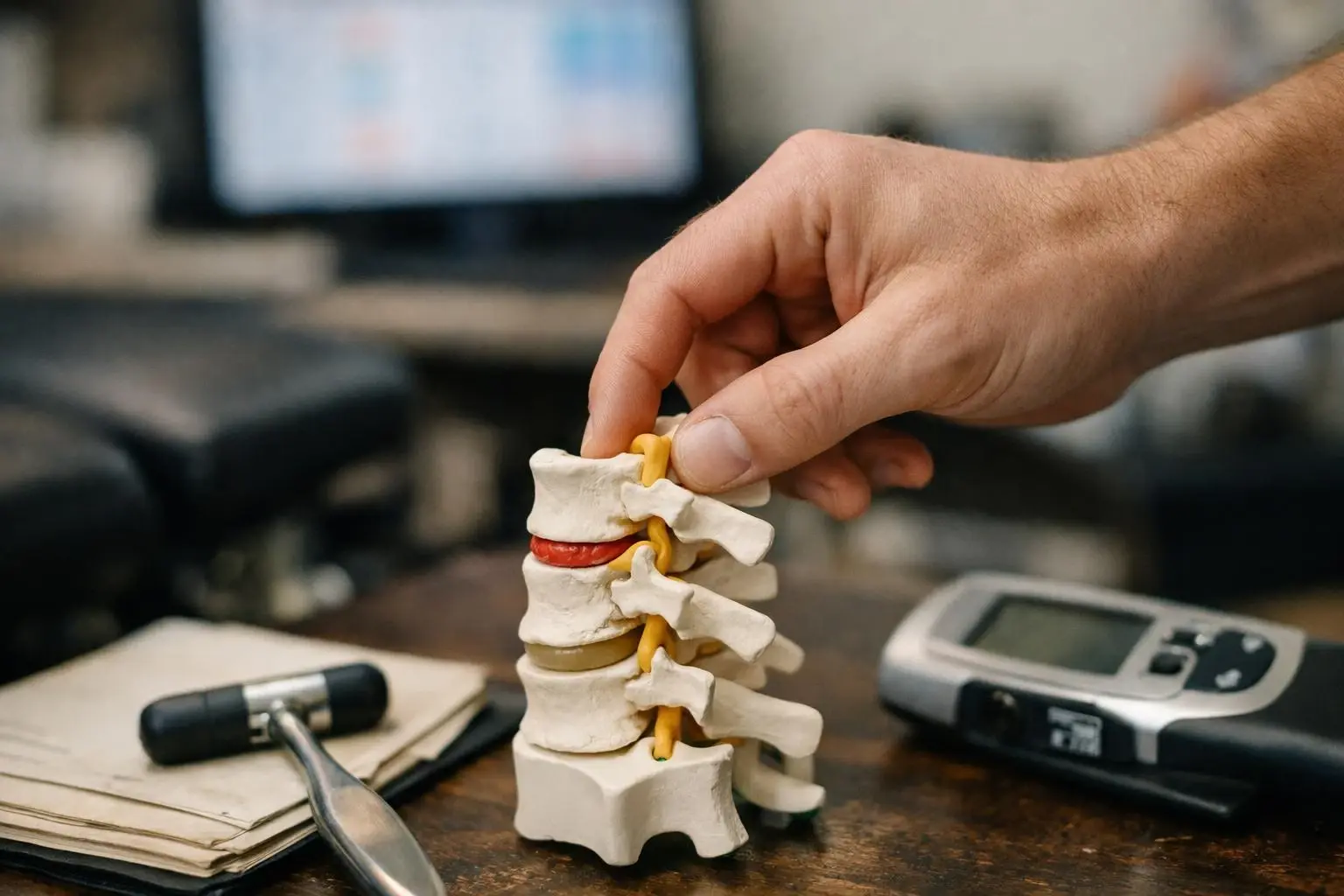
MPI. Or Maximum Medical Improvement, is a key concept in injury care, workers' compensation. And personal injury cases. It refers to the stage in treatment where a patient’s condition has stabilized. And further medical intervention is unlikely to result in meaningful improvement. This doesn't necessarily mean the patient has fully recovered—some symptoms or limitations may remain. Instead, MPI indicates that the injury has reached its best possible outcome under current medical care.
Related glossary terms: Workers Compensation, Chronic Pain, Disc Herniation.
MPI is often determined by a healthcare provider after evaluating the patient’s progress over weeks, months. Or even years. The evaluation considers factors such as pain levels, range of motion, strength. And functional ability. Once MPI is reached, the focus shifts from active treatment to managing long-term effects, such as chronic pain, disability. Or the need for assistive devices. This milestone is critical in legal and insurance contexts because it helps establish the extent of permanent impairment and guides decisions about settlements, disability benefits. Or ongoing care needs.
How MPI Is Determined?
The process of determining MPI involves a thorough medical evaluation by a qualified provider, such as a chiropractor, physician. Or specialist. The provider reviews the patient’s medical history, treatment records. And current symptoms to assess whether further improvement is possible. Diagnostic tests, such as X-rays, MRIs. Or functional capacity evaluations, may be used to support the assessment. The timeline for reaching MPI varies depending on the type and severity of the injury—some patients reach MPI within months. While others may take years.
In workers' compensation cases, MPI is often documented using standardized guidelines, such as those from the American Medical Association (AMA) or state-specific regulations. These guidelines help ensure consistency in evaluating impairment and disability. For example, a patient with a back injury may be assigned a percentage of impairment based on their ability to perform daily activities or work-related tasks. This percentage is used to calculate benefits or settlements. It’s important to note that MPI is not a final judgment—if new treatments or technologies emerge, the patient’s condition may be reevaluated.
Why MPI Matters?
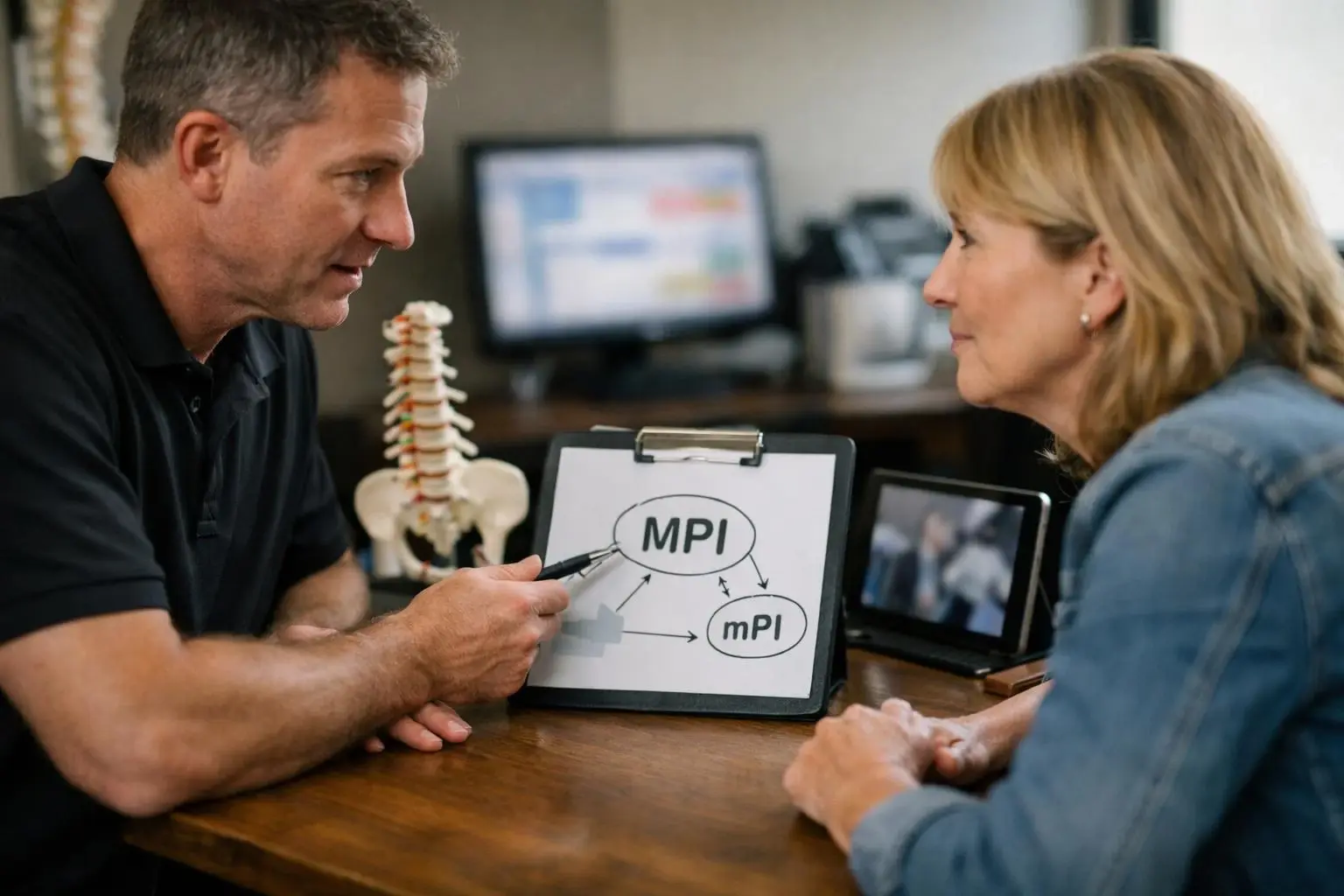
MPI plays a critical role in shaping the financial and legal outcomes of injury cases. For patients, reaching MPI can mean transitioning from active treatment to long-term management, which may include physical therapy, pain medication. Or lifestyle adjustments. In workers' compensation cases, MPI helps determine whether an employee is eligible for permanent disability benefits, vocational rehabilitation. Or a lump-sum settlement. Insurance companies also rely on MPI to assess the cost of claims and negotiate fair compensation.
For healthcare providers, documenting MPI accurately is essential to ensure patients receive appropriate care and benefits. Misclassifying a patient’s status, whether prematurely declaring MPI or delaying it unnecessarily, can lead to disputes, denied claims. Or inadequate support. MPI also influences legal proceedings, such as personal injury lawsuits, where the extent of impairment directly impacts damages awarded to the plaintiff. Understanding MPI helps patients, providers. And legal professionals make informed decisions about treatment, benefits. And settlements.
When MPI Matters Most?
MPI becomes especially important in situations involving long-term injuries, workers' compensation claims. Or legal disputes. For example, an employee injured on the job may reach MPI after months of physical therapy, signaling the end of temporary disability benefits. At this point, the employer or insurance company may evaluate whether the employee can return to work or requires accommodations. Similarly, in a car accident case, MPI helps determine the value of a settlement by establishing the extent of permanent damage, such as chronic pain or reduced mobility.
MPI also matters in cases where patients experience complications or delayed healing. Some injuries, such as nerve damage or complex fractures, may take years to stabilize. In these situations, MPI may be deferred until all reasonable treatment options have been exhausted. And MPI is relevant for patients who may need ongoing care, such as those with spinal cord injuries or traumatic brain injuries. In these cases, MPI marks the transition from intensive treatment to long-term management, ensuring patients receive the support they need to maintain their quality of life.