Understanding Workers Compensation
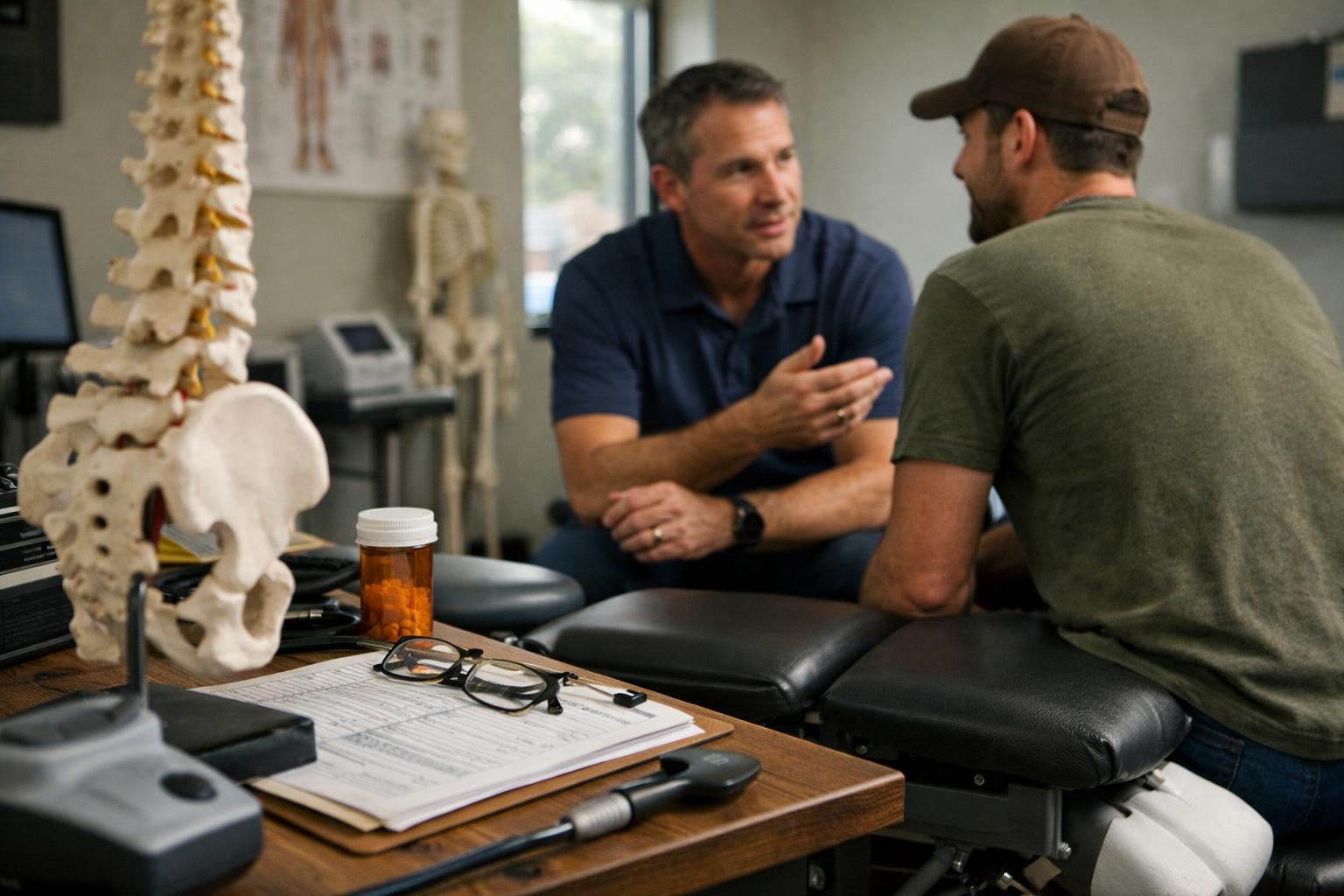
Workers Compensation helps workers and bosses. It protects them when a worker gets hurt on the job. It also helps if a worker gets sick from work.
Workers don’t have to prove who was at fault. They don’t have to sue their boss. They get benefits right away.
These benefits pay for doctor visits. They cover physical therapy. They also pay part of lost wages.
The system helps bosses too. It limits their risk. It stops costly lawsuits.
Every U.S. State has its own rules. Tennessee has its own Workers Compensation laws. These laws say which bosses must have coverage.
They explain what injuries count. They show how benefits are figured. They also say how to settle fights.
In Tennessee, most bosses with five or more workers must have insurance. This covers full-time, part-time. And temporary workers.
Some jobs don’t count, like farm work or housework.
How Workers Compensation Works?
A worker must report an injury fast. They should tell their boss right away. This is usually within a few days.
The boss then files a claim. They send it to their insurance company. A doctor checks the injury.
The doctor works from a list. The boss or insurer picks this list. The doctor makes a treatment plan.
The insurance company looks at the claim. They say yes or no. They check if the injury happened at work.
If yes, the worker gets free medical care. If the injury keeps them out over seven days, they get more help. They get money for lost wages.
This money is about two-thirds of their usual pay. It keeps coming until they can work again. Or until they can’t get better.
If the injury is permanent, they may get extra benefits.
Sometimes, the insurance company says no. They may say the injury isn’t bad. Or they may not like the treatment plan.
In Tennessee, workers can fight this. They can go to the Bureau of Workers’ Compensation. This group helps solve fights.
They offer talks and hearings. Workers can have a lawyer. But many fights end without court.
Why Workers Compensation Matters?

Workers Compensation is a safety net. It helps workers hurt or sick from their job. Without it, they might not afford doctor bills.
They might not support their family. The system also helps bosses. It cuts the risk of big lawsuits.
It makes workplaces safer. Workers report dangers. They follow safety rules.
It helps the whole economy too. Workers get better faster. They go back to their jobs.
This cuts training costs. It spreads the cost of injuries. No boss has to pay too much.
When Workers Compensation Matters Most?
Some jobs have more risks. Construction and factories are examples. So are healthcare and driving jobs.
But even office workers get hurt. They may get hurt from doing the same task over and over. They may slip or fall.
Stress can also make them sick. The system helps with long-term care too. This includes physical therapy or surgery.
It helps with pain that won’t go away. These costs add up fast.
Timing matters in these cases. Workers must report injuries fast. In Tennessee, they have 15 days.
But sooner is better. Delays can cause problems. The boss may say the injury didn’t happen at work.
Workers should follow their doctor’s plan. They should keep good records. This means doctor visits, medicine. And talks with the boss.
Sometimes, workers can’t do their old job. They may need to learn new skills. The system can help with this.
It offers training. It helps find a new job. It supports workers getting back to work.