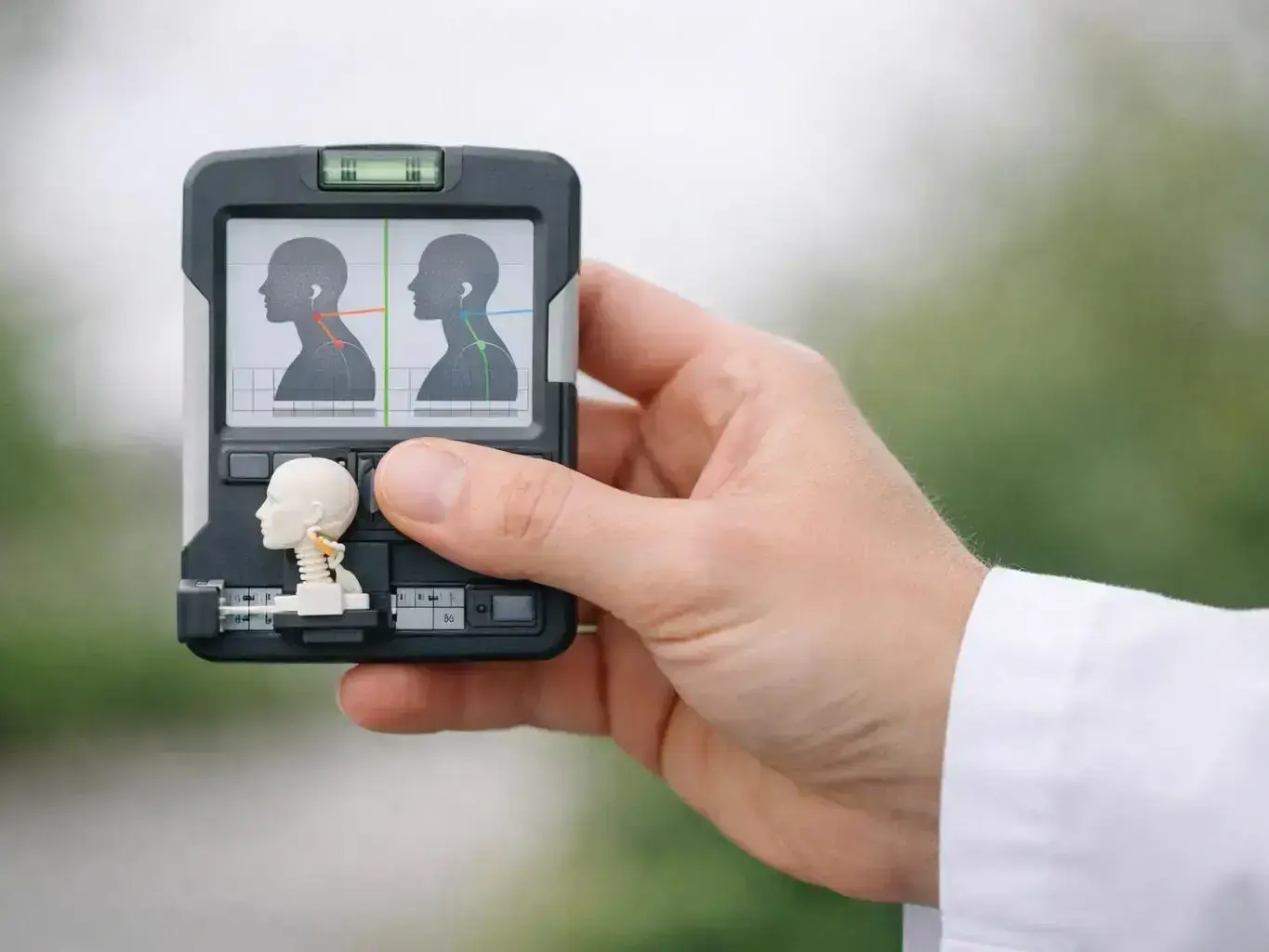
Glossary

What is Joint Dysfunction?

Joint Dysfunction is a condition where a joint in the body doesn't move or function correctly, often causing pain, stiffness. Or reduced range of motion. It can result from injury, overuse, poor posture. Or underlying conditions like arthritis. Chiropractors and other healthcare providers assess and treat joint dysfunction to restore proper movement and reduce discomfort.

Reviewed by Advanced Injury Care ClinicSources reviewed: American Chiropractic Association, National Institute of Arthritis and Musculoskeletal and Skin Diseases

Quick Facts About Joint Dysfunction

Category

Musculoskeletal condition

Used for

Diagnosing joint pain or stiffness

Common confusion

Often mistaken for arthritis. But not the same

Also called

Joint Restriction, Joint Misalignment

Often discussed with

Neck Pain Treatment, Back Pain Treatment

Key Takeaways About Joint Dysfunction

Understanding Joint Dysfunction
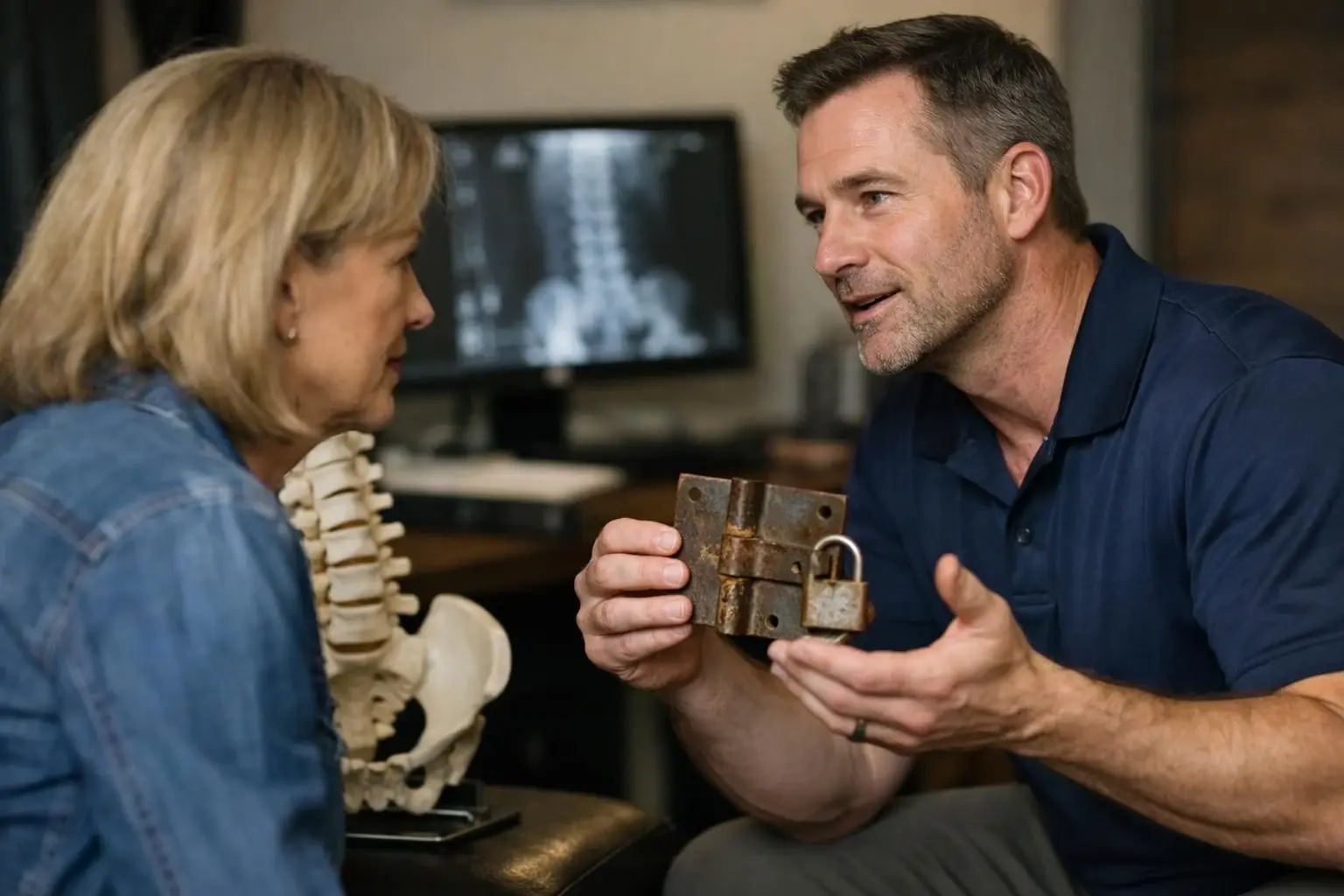
Joint Dysfunction in Chiropractor: Joint Dysfunction is a condition where a joint in the body doesn't—visual guide

Joint Dysfunction happens when a joint doesn't move right. Joints are where bones meet. They let you bend and move.

Related glossary terms: Chiropractic Adjustment, Spinal Manipulation, Muscle Strain.

Your knees, shoulders. And spine have joints. If a joint fails, it can hurt. It may feel stiff or stuck.

Anyone can get this problem. Athletes and office workers get it too. It can start fast after an injury. Or it can happen slowly over time.

Joint Dysfunction is not the same as arthritis. Arthritis means the joint is swollen and damaged. Joint Dysfunction means the joint doesn't move well.

For example, a joint may not bend all the way. It might feel wobbly. This can cause muscle tightness. It can also irritate nerves.

If not fixed, it can hurt other body parts too.

How Joint Dysfunction Is Identified and Treated?

Doctors check for this problem. They look at how the joint moves. They see if it hurts when you move it.

They check the muscles around the joint. They ask about injuries. They ask about your daily habits.

Sometimes they use X-rays or MRIs. These tests rule out other problems. They check for breaks or arthritis.

Treatment helps joints move right again. It also helps with pain. Chiropractors can adjust your spine or joints.

This makes them line up better. It helps them move easier. Other treatments include stretching and therapy.

They may use myofascial release (a way to ease muscle tightness). Better posture can help too. Avoid doing the same move over and over.

Why Joint Dysfunction Matters?

How Joint Dysfunction applies to Chiropractor services in Nashville, United States—practical illustration

Joint Dysfunction can make life hard. Simple tasks can hurt. Bending, lifting. Or walking may be tough.

The body tries to help. It shifts weight or strains other muscles. This can cause back pain or headaches.

If not treated, it can get worse. You may have pain for a long time. Your joints may get damaged.

Fixing it early helps a lot. You can move better. You can avoid bigger problems.

Many people get better without surgery. They can go back to normal. They don't need pain pills.

Know the signs. Protect your joints. Use good posture at work. Warm up before exercise.

When Joint Dysfunction Matters Most?

Athletes need to watch for this. So do people with hard jobs. If joints don't move right, it hurts their work.

A runner may feel knee pain. It can slow them down. An office worker may struggle to type.

Fixing it early helps avoid injuries. It keeps them from missing work or sports.

It also matters after an injury. Even small injuries can mess up joints. This can cause pain that won't go away.

Doctors check joints after accidents. They want the body to heal right. They want full movement back.

Ignoring it can slow healing. It can also cause new injuries. Don't wait to get help.

How to Evaluate Joint Dysfunction?

Related Concepts Compared

Joint Dysfunction vs. Arthritis

Arthritis involves inflammation and damage to the joint. While joint dysfunction refers to restricted or abnormal movement without necessarily involving inflammation.

Joint Dysfunction vs. Muscle Strain

Muscle strain is an injury to a muscle. While joint dysfunction involves a problem with the joint’s movement or alignment.

Joint Dysfunction vs. Vertebral Subluxation

Vertebral subluxation is a specific type of joint dysfunction that affects the spine, often addressed by chiropractors.

Expert Note

Joint dysfunction often goes unnoticed until it causes noticeable pain or stiffness. Regular movement assessments, especially after injuries or repetitive activities, can help catch problems early before they lead to more serious issues.

Common Mistakes or Myths About Joint Dysfunction

  • Assuming joint dysfunction is just arthritis and ignoring it.
  • Thinking joint dysfunction will go away on its own without treatment.
  • Overlooking posture or daily habits that contribute to joint problems.
  • Using pain medication as the only solution instead of addressing the root cause.

Joint Dysfunction in Practice: A Real-World Example

A construction worker notices pain in his shoulder after lifting heavy materials for several weeks. His doctor diagnoses him with joint dysfunction in the shoulder, explaining that repetitive lifting has caused the joint to move improperly. After a few sessions of chiropractic adjustments and stretching exercises, his shoulder movement improves. And the pain decreases.

Sources & Further Reading on Joint Dysfunction

Related Services

Related Terms

Chiropractic Adjustment

Chiropractic Adjustment is a hands-on procedure where a licensed chiropractor applies controlled force to a specific joint, usually in the spine, to improve alignment, reduce nerve irritation. And restore normal movement. Adjustments are tailored to each patient’s condition and often produce a popping or cracking sound as gas escapes the joint.

Spinal Manipulation

Spinal Manipulation is a hands-on treatment technique used by chiropractors and other trained healthcare providers to improve spinal movement and reduce pain. It involves applying controlled force to joints in the spine that have become restricted in their motion, often due to injury, poor posture. Or repetitive stress. The goal is to restore proper alignment, ease muscle tension. And support the body’s natural healing process.

Muscle Strain

Muscle Strain is a common soft-tissue injury where muscle fibers stretch too far or tear due to sudden force, overuse. Or improper movement. It often causes pain, swelling. And limited strength or flexibility in the affected area. Strains frequently occur in the back, neck, legs. Or shoulders during sports, lifting.

Ligament Sprain

Ligament Sprain is an injury to a ligament—the tough, fibrous tissue connecting bones at a joint—caused by sudden stretching or tearing. Ligament sprains typically occur during falls, sports. Or accidents, leading to pain, swelling. And limited movement. They're graded by severity, from mild overstretching to complete tears.

Myofascial Release

Myofascial Release is a hands-on therapy technique that gently applies sustained pressure to tight or restricted areas of the body’s fascia—the thin, web-like connective tissue surrounding muscles, bones. And organs. This method aims to relieve pain, restore motion. And improve function by releasing tension in the fascia, often caused by injury, inflammation. Or poor posture.

Advanced Injury Care Clinic

Have Questions About Joint Dysfunction?

Contact Advanced Injury Care Clinic for practical guidance on Joint Dysfunction and related chiropractor work in Nashville.

+1 615-777-0624