Glossary

What is Flexion-Distraction Technique?

Flexion-Distraction Technique is a gentle, hands-on chiropractic method that uses a specialized table to stretch and decompress the spine. It aims to relieve back pain, sciatica. And disc problems by creating negative pressure within spinal discs, reducing nerve pressure. And improving mobility without surgery or medication.

Reviewed by Advanced Injury Care ClinicSources reviewed: American Chiropractic Association, Journal of Manipulative and Physiological Therapeutics

Quick Facts About Flexion-Distraction Technique

Category

Chiropractic spinal decompression therapy

Used for

Disc herniation, sciatica, spinal stenosis, back pain

Common confusion

Often mistaken for general spinal manipulation

Also called

Cox Technique, Flexion-Distraction Therapy

Often discussed with

Car Accident Injury Treatment, Back Pain Treatment

Key Takeaways About Flexion-Distraction Technique

Understanding Flexion-Distraction Technique
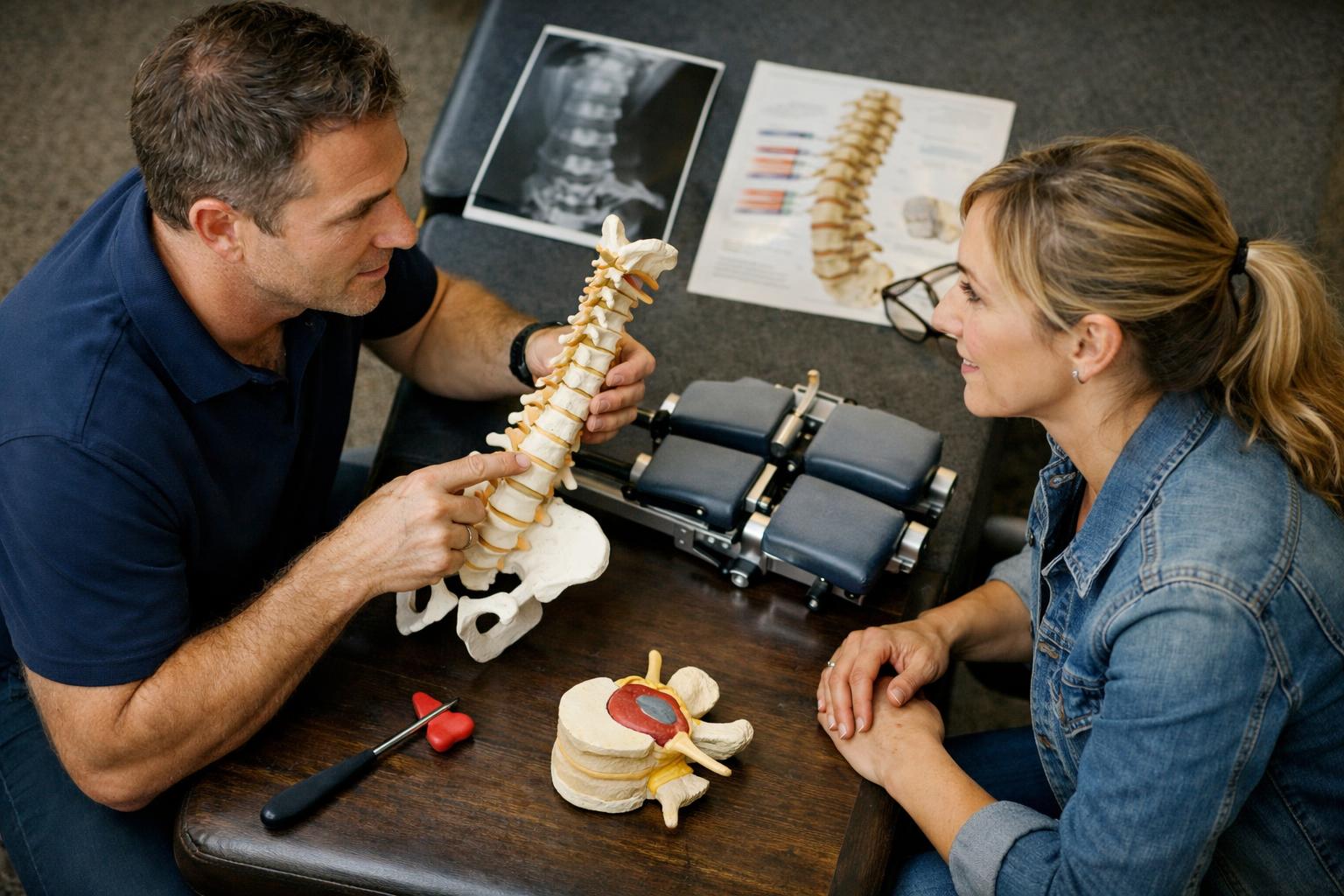
Flexion-Distraction Technique in Chiropractor: Flexion-Distraction Technique is a gentle, hands-on chiropractic method tha...

Flexion-Distraction Technique is a specialized form of chiropractic care designed to treat spinal conditions without surgery or drugs. It involves a chiropractor using a motorized table that gently stretches and moves the spine in a rhythmic pattern. In practice, this movement creates space between vertebrae, which helps relieve pressure on spinal discs and nerves. The technique is particularly useful for patients with disc herniations, sciatica. Or chronic back pain who have not found relief through other treatments.

Related glossary terms: Chiropractic Adjustment, Decompression Therapy, Disc Herniation.

The approach is non-invasive and typically painless, making it a preferred option for patients who are sensitive to more forceful adjustments. Unlike traditional spinal manipulation, which involves quick thrusts, Flexion-Distraction uses slow, controlled motions. This makes it suitable for older adults, post-surgical patients. Or those with conditions like osteoporosis where high-impact adjustments may not be safe. The goal is to restore normal movement to the spine while reducing inflammation and pain.

How Flexion-Distraction Technique Works?

The Flexion-Distraction Technique works by using a table with movable sections that the chiropractor controls manually or with a foot pedal. The patient lies face down on the table. And the chiropractor secures them with straps to ensure safety. The table then moves in a gentle, rhythmic motion, flexing and distracting the spine. This motion creates a pumping effect on the spinal discs, which helps draw nutrients into the disc and promotes healing. It also reduces pressure on nerves, which can relieve pain and improve function.

The chiropractor may combine the table movements with manual pressure on specific areas of the spine to boost the effect. Each session typically lasts 10 to 15 minutes. And a course of treatment may involve multiple sessions depending on the patient's condition. The technique is often paired with other therapies, such as ice, heat. Or electrical muscle stimulation, to get the most from results. Patients usually feel a stretching sensation during the procedure. But it should not be painful.

Why Flexion-Distraction Technique Matters?

How Flexion-Distraction Technique applies to Chiropractor services in Nashville, United States—practical illustration

Flexion-Distraction Technique matters because it offers a safe and effective alternative to surgery or long-term medication for spinal conditions. Many patients with disc herniations or sciatica experience significant pain and limited mobility, which can affect their daily activities and quality of life. This technique can reduce pain, improve spinal function. And help patients avoid more invasive treatments. It's also a low-risk option, with few side effects compared to surgical procedures or prescription painkillers.

For chiropractors, Flexion-Distraction Technique is a valuable tool in their treatment arsenal. It allows them to address complex spinal issues with a gentle approach, expanding the range of patients they can help. The technique is also evidence-based, with studies showing its effectiveness for conditions like disc herniations and spinal stenosis. This makes it a trusted method for both patients and healthcare providers looking for non-surgical solutions.

When Flexion-Distraction Technique Matters Most?

Flexion-Distraction Technique is most important for patients who have not found relief through standard treatments like medication, physical therapy. Or traditional chiropractic adjustments. It is particularly useful for conditions involving spinal discs, such as herniated discs, bulging discs. Or degenerative disc disease. Patients with sciatica, which involves pain radiating down the leg due to nerve compression, often benefit from this technique as well. It is also a good option for older adults or those with conditions that make forceful adjustments risky.

The technique is also valuable for patients recovering from injuries, such as car accidents or falls, where spinal discs may be damaged. It can help reduce inflammation, improve mobility. And speed up recovery. And Flexion-Distraction Technique is often used in workers' compensation cases, where patients need documented, non-surgical care for spinal injuries. In Nashville, TN, where many patients seek chiropractic care for auto accident injuries, this technique is a common and effective treatment option.

How to Evaluate Flexion-Distraction Technique?

Related Concepts Compared

Flexion-Distraction Technique vs. Spinal Manipulation

Spinal manipulation involves quick, forceful thrusts to adjust the spine. While Flexion-Distraction uses slow, controlled stretching motions.

Flexion-Distraction Technique vs. Decompression Therapy

Decompression therapy uses a motorized table to stretch the spine. But Flexion-Distraction combines stretching with rhythmic flexion movements.

Expert Note

Flexion-Distraction Technique is particularly effective for patients with disc-related conditions because it creates negative pressure within the disc, which can help retract herniated material and relieve nerve compression. However, it requires precise table control and patient positioning to be effective.

Common Mistakes or Myths About Flexion-Distraction Technique

  • Assuming Flexion-Distraction Technique is the same as general spinal manipulation.
  • Expecting immediate results after one session, as multiple treatments are often needed.
  • Choosing a chiropractor without specific training in this technique.
  • Believing it can cure all back pain without addressing underlying causes like posture or muscle imbalances.

Flexion-Distraction Technique in Practice: A Real-World Example

A 45-year-old patient in Nashville, TN, visits a chiropractor after a car accident. They experience lower back pain and sciatica due to a herniated disc. The chiropractor recommends Flexion-Distraction Technique to reduce pressure on the disc and nerve. After six sessions, the patient reports less pain and improved mobility, allowing them to return to work without surgery.

Sources & Further Reading on Flexion-Distraction Technique

Related Services

Related Terms

Chiropractic Adjustment

Chiropractic Adjustment is a hands-on procedure where a licensed chiropractor applies controlled force to a specific joint, usually in the spine, to improve alignment, reduce nerve irritation. And restore normal movement. Adjustments are tailored to each patient’s condition and often produce a popping or cracking sound as gas escapes the joint.

Decompression Therapy

Decompression Therapy is a non-surgical, traction-based treatment designed to relieve pressure on spinal discs and nerves. It involves gently stretching the spine using a motorized table or device to create negative pressure within the discs, promoting healing and reducing pain from conditions like herniated discs, sciatica. And chronic back pain.

Disc Herniation

Disc Herniation is a spinal condition where the soft, gel-like center of a spinal disc pushes through a tear in the disc’s tough outer layer. This can irritate nearby nerves, causing pain, numbness. Or weakness in the back, neck, arms. Or legs. Disc herniation often results from aging, injury. Or repetitive strain on the spine.

Sciatica

Sciatica is nerve pain that starts in the lower back and travels down one leg, often caused by pressure on the sciatic nerve. Sciatica usually feels sharp, burning. Or electric-like and may include numbness or weakness. The pain follows the path of the sciatic nerve, which runs from the lower spine through the hips and down each leg.

Spinal Manipulation

Spinal Manipulation is a hands-on treatment technique used by chiropractors and other trained healthcare providers to improve spinal movement and reduce pain. It involves applying controlled force to joints in the spine that have become restricted in their motion, often due to injury, poor posture. Or repetitive stress. The goal is to restore proper alignment, ease muscle tension. And support the body’s natural healing process.

Advanced Injury Care Clinic

Have Questions About Flexion-Distraction Technique?

Contact Advanced Injury Care Clinic for practical guidance on Flexion-Distraction Technique and related chiropractor work in Nashville.

+1 615-777-0624