Understanding Decompression Therapy
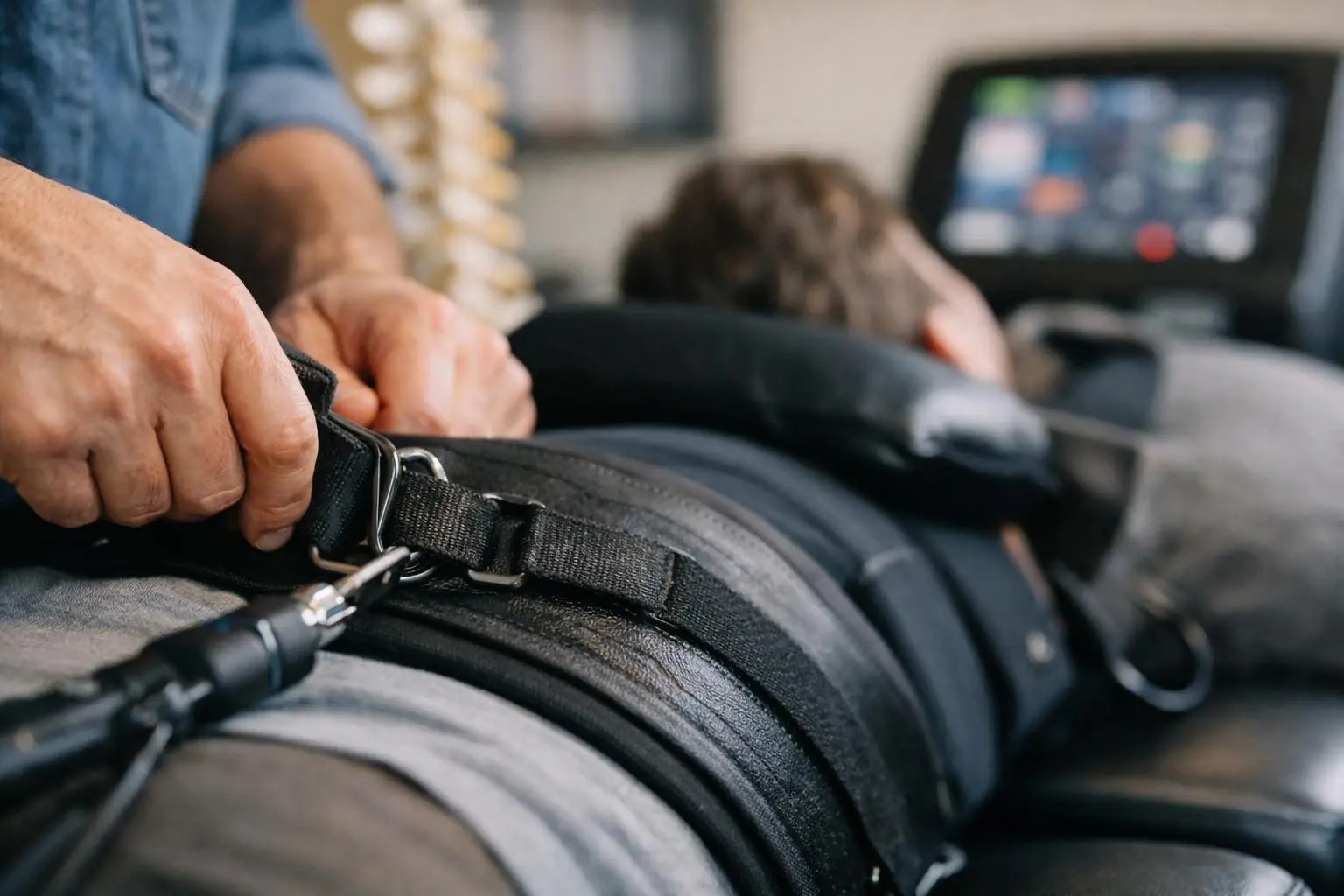
Decompression Therapy is a specialized form of spinal treatment aimed at relieving pressure on the discs and nerves in the spine. Unlike general traction or manual adjustments, this therapy uses controlled, mechanical stretching to create space between vertebrae. This process reduces compression on spinal discs, which can become herniated, bulging. Or degenerated due to injury, aging. Or repetitive stress. By gently elongating the spine, Decompression Therapy helps restore proper disc alignment and promotes the movement of water, oxygen. And nutrients into the discs, supporting natural healing.
Related glossary terms: Chiropractic Care, Disc Herniation, Sciatica.
The therapy is most commonly used for conditions that involve disc-related pain, such as herniated discs, sciatica. Or spinal stenosis. It's also beneficial for patients with chronic back or neck pain that hasn’t responded to traditional treatments like medication or physical therapy. Because it is non-surgical and drug-free, Decompression Therapy is often considered a conservative option before exploring more invasive procedures like injections or surgery.
How Decompression Therapy Works?
Decompression Therapy typically involves the patient lying on a motorized table, either face up or face down, depending on the area being treated. A harness is secured around the hips or torso. And the table is programmed to apply a gentle, rhythmic pulling force to the spine. This force creates negative pressure within the spinal discs, which can help retract herniated or bulging disc material back into place. The negative pressure also encourages the flow of oxygen, water. And nutrients into the discs, which are avascular (lacking direct blood supply) and rely on movement for nourishment.
Each session usually lasts between 20 to 45 minutes. And a typical treatment plan may include 15 to 30 sessions over several weeks. The exact protocol varies depending on the patient’s condition, severity of symptoms. And response to treatment. During the session, patients often feel a stretching sensation but should not experience pain. The result is if discomfort occurs, the settings can be adjusted to ensure the therapy remains tolerable. Many patients report feeling relaxed during the session. And some even fall asleep.
Decompression Therapy is often combined with other treatments, such as chiropractic adjustments, physical therapy. Or cold laser therapy, to boost results. For example, a patient with sciatica might receive Decompression Therapy to relieve nerve pressure, followed by exercises to strengthen the supporting muscles and improve flexibility. This multi-modal approach helps address the root cause of the pain while also preventing future flare-ups.
Why Decompression Therapy Matters?

Decompression Therapy matters because it offers a non-invasive alternative for patients suffering from debilitating spinal conditions. For many people, chronic back or neck pain limits daily activities, reduces quality of life. And leads to reliance on pain medications, which can have side effects or risk of dependency. By targeting the mechanical cause of the pain—such as disc herniation or nerve compression—Decompression Therapy can provide relief without the risks or recovery time associated with surgery. This makes it a valuable option for patients who want to avoid invasive procedures or who are not candidates for surgery due to other health conditions.
And Decompression Therapy can help delay or prevent the need for more aggressive treatments. For example, patients with early-stage disc degeneration may benefit from the therapy’s ability to slow progression by improving disc hydration and reducing pressure on nerves. This proactive approach can save patients from long-term pain, disability. And costly medical interventions. It also empowers patients to take an active role in their recovery, as the therapy often includes education on posture, ergonomics. And exercises to maintain spinal health.
When Decompression Therapy Matters Most?
Decompression Therapy is most important for patients who have not found relief from traditional treatments like rest, medication. Or physical therapy. It is particularly beneficial for individuals with specific spinal conditions, such as herniated discs, bulging discs. Or sciatica, where nerve compression is a primary source of pain. Patients who experience radiating pain, numbness. Or tingling in the arms or legs—symptoms often associated with nerve root irritation - may also benefit from this therapy, as it directly targets the underlying cause of these symptoms.
A common issue is The therapy is also relevant for patients who are seeking to avoid surgery or are not surgical candidates due to age, health conditions. Or personal preference. For example, older adults with osteoporosis or individuals with diabetes may not be ideal candidates for spinal surgery but could still benefit from Decompression Therapy as a safer alternative. And patients recovering from injuries, such as car accidents or workplace incidents, may find Decompression Therapy helpful in reducing pain and improving mobility during their rehabilitation.
But Decompression Therapy is not suitable for everyone. It is generally not recommended for patients with spinal fractures, tumors, infections. Or advanced osteoporosis, as the stretching motion could worsen these conditions. Pregnant women and individuals with certain vascular conditions may also need to avoid this therapy. A thorough evaluation by a qualified healthcare provider, such as a chiropractor or spine specialist, is essential to determine if Decompression Therapy is appropriate for a patient’s specific needs.