Glossary

What is Chiropractic BioPhysics?

Chiropractic BioPhysics is a specialized branch of chiropractic care that combines biology, physics. And geometry to analyze and correct spinal alignment and posture. It uses precise measurements, X-rays. And tailored treatment plans to address structural abnormalities, aiming to restore ideal spinal curves and improve overall health.

Reviewed by Advanced Injury Care ClinicSources reviewed: Chiropractic BioPhysics (CBP) Official Website, National University of Health Sciences

Quick Facts About Chiropractic BioPhysics

Category

Chiropractic technique

Used for

Spinal correction and posture improvement

Common confusion

Often mistaken for general chiropractic adjustments

Also called

CBP, Spinal Biophysics

Often discussed with

Back Pain Treatment, Neck Pain Treatment

Key Takeaways About Chiropractic BioPhysics

Understanding Chiropractic BioPhysics

Chiropractic BioPhysics in Chiropractor: Chiropractic BioPhysics is a specialized branch of chiropractic care that combine...

Chiropractic BioPhysics (CBP) is a research-backed approach to chiropractic care that focuses on the relationship between spinal alignment, posture. And overall health. Unlike traditional chiropractic methods that primarily target pain relief, CBP uses principles from biology, physics. And geometry to identify and correct structural abnormalities in the spine. The goal is to restore the spine to its natural, ideal shape, which can improve nervous system function and reduce chronic pain.

Related glossary terms: Chiropractic Adjustment, Spinal Manipulation, Disc Herniation.

CBP was developed in the 1980s by chiropractors who wanted a more scientific way to measure and treat spinal misalignments. The technique relies on detailed assessments, including X-rays and postural analysis, to create a clear picture of a patient’s spinal health. This data-driven approach allows practitioners to design customized treatment plans that address the root cause of spinal issues rather than just symptoms.

How Chiropractic BioPhysics Works?

The process begins with a thorough evaluation, including digital X-rays and posture analysis. These tools help identify deviations from the spine’s ideal alignment, such as abnormal curves, rotations. Or tilts. Once the deviations are measured, the chiropractor uses a combination of spinal adjustments, traction. And exercises to gradually correct the spine’s structure. The treatment plan is often long-term, with regular progress checks to ensure the spine is moving toward its optimal shape.

A common issue is CBP treatments may include mirror-image adjustments, where the chiropractor applies pressure in a way that mirrors the patient’s spinal misalignment. This method helps retrain the spine and muscles to hold the correct position. Traction devices, like the Denneroll or CBP cervical traction, are also commonly used to stretch and reshape the spine over time. Patients are often given specific exercises to do at home to support the treatment.

Why Chiropractic BioPhysics Matters?
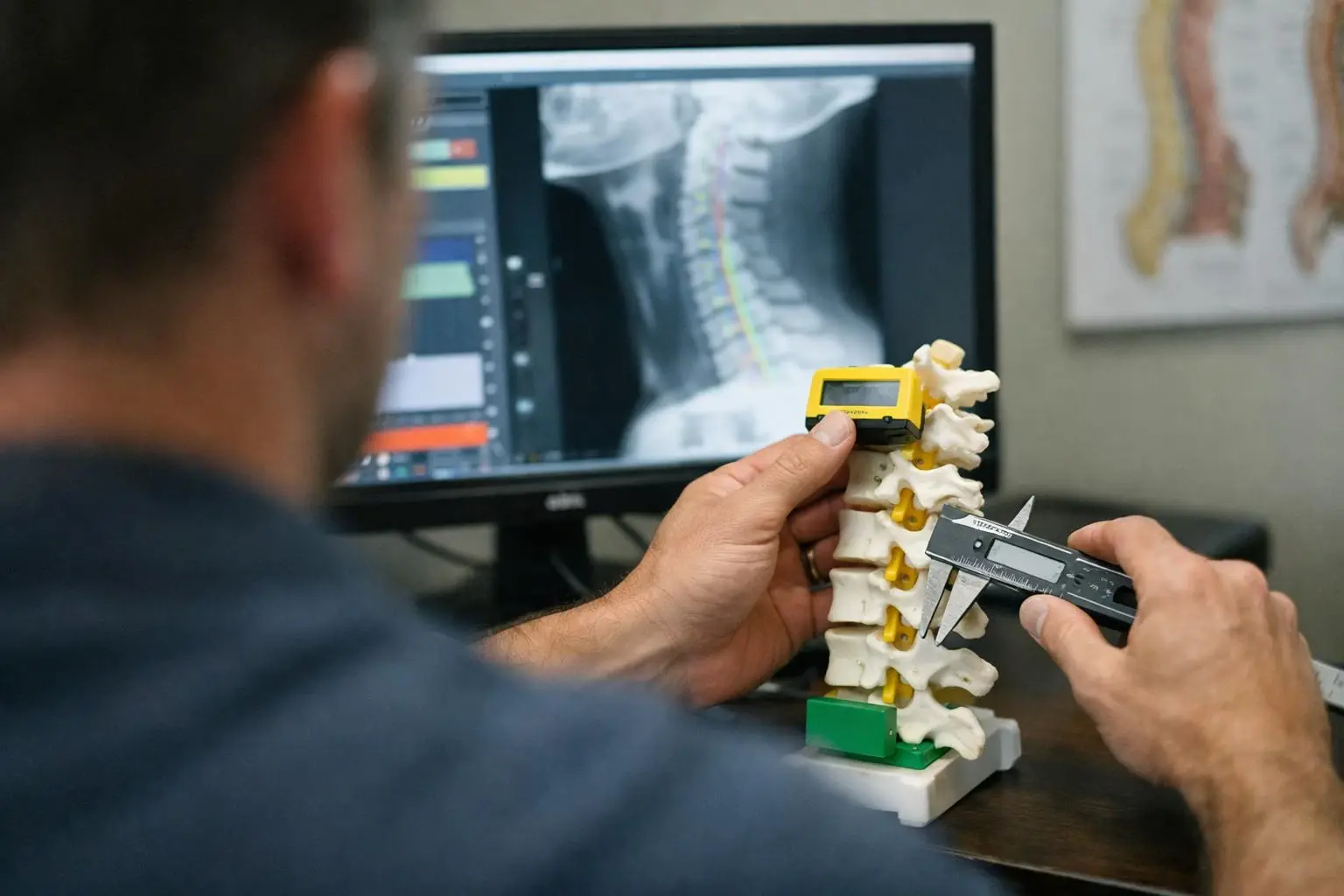
How Chiropractic BioPhysics applies to Chiropractor services in Nashville, United States—practical illustration

Spinal misalignments can lead to a range of health problems, including chronic pain, headaches. And reduced mobility. By correcting these misalignments, CBP aims to improve nervous system function, which can have a positive impact on overall health. For example, restoring the natural curve in the neck may reduce tension headaches or improve breathing. Similarly, correcting lumbar lordosis (the inward curve of the lower back) can alleviate lower back pain and improve posture.

CBP is particularly valuable for patients who have not found relief with traditional chiropractic care or physical therapy. Because it targets the underlying structure of the spine, it can provide long-term solutions for conditions like scoliosis, kyphosis. And chronic postural strain. The emphasis on measurable outcomes also makes it easier for patients to track their progress and understand the benefits of treatment.

When Chiropractic BioPhysics Matters Most?

CBP is most beneficial for individuals with chronic spinal issues, such as long-term back pain, neck pain. Or postural deformities. It's also useful for patients recovering from injuries, such as car accidents or sports-related trauma, where spinal alignment has been compromised. And people with conditions like scoliosis or hyperkyphosis (excessive rounding of the upper back) may find CBP helpful in managing their symptoms and improving their quality of life.

This approach is not typically a quick fix. Patients often need months of consistent treatment to see significant changes in their spinal structure. But for those willing to commit to the process, CBP can provide lasting relief and improved function. It is also a good option for individuals who want a more scientific and evidence-based approach to chiropractic care.


How to Evaluate Chiropractic BioPhysics?

Related Concepts Compared

Chiropractic BioPhysics vs. Traditional chiropractic adjustments

Traditional chiropractic care focuses on relieving pain through manual adjustments. While Chiropractic BioPhysics uses scientific measurements and long-term plans to correct spinal structure.

Chiropractic BioPhysics vs. Physical therapy

Physical therapy often targets muscle strength and mobility, whereas Chiropractic BioPhysics focuses on correcting spinal alignment and posture using physics-based methods.

Expert Note

Chiropractic BioPhysics is unique because it treats the spine as a structural system rather than just addressing symptoms. This approach can be especially effective for patients with complex spinal issues who haven’t responded to other treatments.

Common Mistakes or Myths About Chiropractic BioPhysics

  • Assuming Chiropractic BioPhysics is the same as regular chiropractic care.
  • Expecting immediate results instead of committing to a long-term treatment plan.
  • Ignoring the importance of at-home exercises in the treatment process.
  • Choosing a chiropractor without CBP training or certification.

Chiropractic BioPhysics in Practice: A Real-World Example

A patient with chronic lower back pain undergoes Chiropractic BioPhysics treatment. After X-rays reveal a flattened lumbar curve, the chiropractor designs a plan using traction and adjustments to restore the natural curve. Over six months, the patient’s pain decreases. And follow-up X-rays show improved spinal alignment.

Sources & Further Reading on Chiropractic BioPhysics

Related Services

Related Terms

Chiropractic Adjustment

Chiropractic Adjustment is a hands-on procedure where a licensed chiropractor applies controlled force to a specific joint, usually in the spine, to improve alignment, reduce nerve irritation. And restore normal movement. Adjustments are tailored to each patient’s condition and often produce a popping or cracking sound as gas escapes the joint.

Spinal Manipulation

Spinal Manipulation is a hands-on treatment technique used by chiropractors and other trained healthcare providers to improve spinal movement and reduce pain. It involves applying controlled force to joints in the spine that have become restricted in their motion, often due to injury, poor posture. Or repetitive stress. The goal is to restore proper alignment, ease muscle tension. And support the body’s natural healing process.

Disc Herniation

Disc Herniation is a spinal condition where the soft, gel-like center of a spinal disc pushes through a tear in the disc’s tough outer layer. This can irritate nearby nerves, causing pain, numbness. Or weakness in the back, neck, arms. Or legs. Disc herniation often results from aging, injury. Or repetitive strain on the spine.

Chronic Pain

Chronic Pain is persistent discomfort lasting three months or longer, even after an injury or illness has healed. Unlike short-term pain, chronic pain continues beyond expected recovery time and may stem from conditions like arthritis, nerve damage. Or long-term muscle tension. It often affects daily activities and requires ongoing management rather than a quick cure.

Sciatica

Sciatica is nerve pain that starts in the lower back and travels down one leg, often caused by pressure on the sciatic nerve. Sciatica usually feels sharp, burning. Or electric-like and may include numbness or weakness. The pain follows the path of the sciatic nerve, which runs from the lower spine through the hips and down each leg.

Advanced Injury Care Clinic

Have Questions About Chiropractic BioPhysics?

Contact Advanced Injury Care Clinic for practical guidance on Chiropractic BioPhysics and related chiropractor work in Nashville.

+1 615-777-0624