Glossary

What is Graston Technique?

Graston Technique is a specific form of instrument-assisted soft tissue mobilization used by trained healthcare providers to detect and treat scar tissue, fascial restrictions. And chronic inflammation in muscles, tendons. And ligaments. Graston Technique involves stainless-steel tools that glide over the skin to break down adhesions, improve blood flow. And promote healing in injured or overused soft tissues.

Reviewed by Advanced Injury Care ClinicSources reviewed: Graston Technique Official Website, Journal of Orthopaedic & Sports Physical Therapy - Instrument-Assisted Soft Tissue Mobilization

Quick Facts About Graston Technique

Category

Instrument-assisted soft tissue therapy

Used for

Scar tissue, fascial restrictions, chronic inflammation

Common confusion

Often confused with deep-tissue massage or dry needling

Also called

Graston Therapy, Instrument-Assisted Soft Tissue Mobilization (IASTM)

Often discussed with

Work Injury Treatment, Personal Injury Chiropractic Care

Key Takeaways About Graston Technique

Understanding Graston Technique
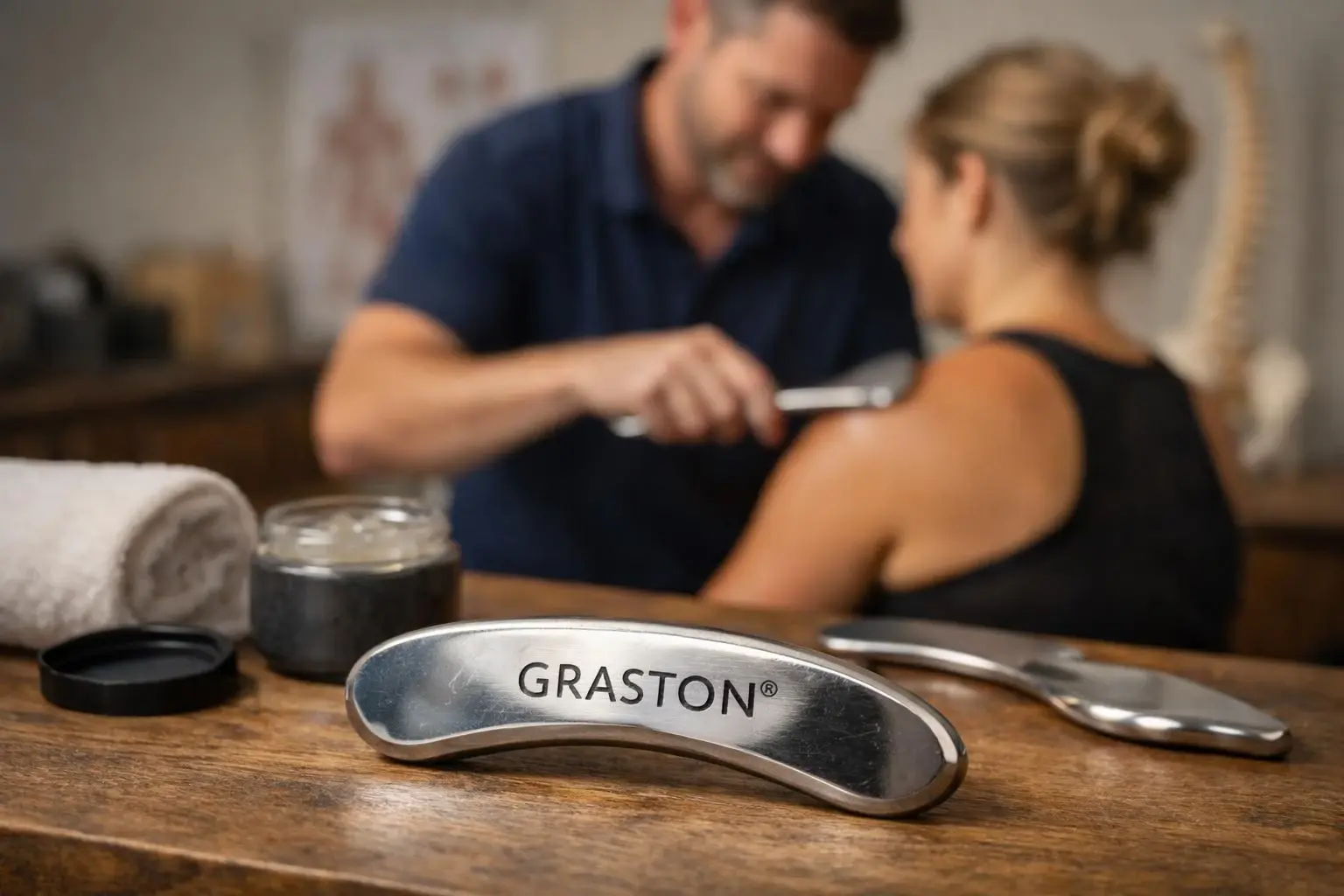
Graston Technique in Chiropractor: Graston Technique is a specific form of instrument-assisted soft tissue mobilization us...

Graston Technique is a manual therapy approach that uses specially designed stainless-steel instruments to scan and treat soft tissue injuries. These tools allow healthcare providers to locate areas of restriction, fibrosis. Or chronic inflammation that may not be easily felt with hands alone. The technique is based on the principle that controlled microtrauma to affected soft tissues can stimulate a local inflammatory response, which in turn triggers the body's natural healing processes.

Related glossary terms: Myofascial Release, Soft Tissue Injury, Chiropractic Care.

The technique was developed in the 1990s by an athlete who sought a way to recover from a knee injury. Since then, it has been adopted by physical therapists, chiropractors. And sports medicine professionals worldwide. Graston Technique is not a standalone treatment but is typically integrated into a broader rehabilitation program that may include stretching, strengthening exercises. And other therapies. It's commonly used to address conditions such as tendonitis, plantar fasciitis, carpal tunnel syndrome. And muscle strains.

How Graston Technique Works?

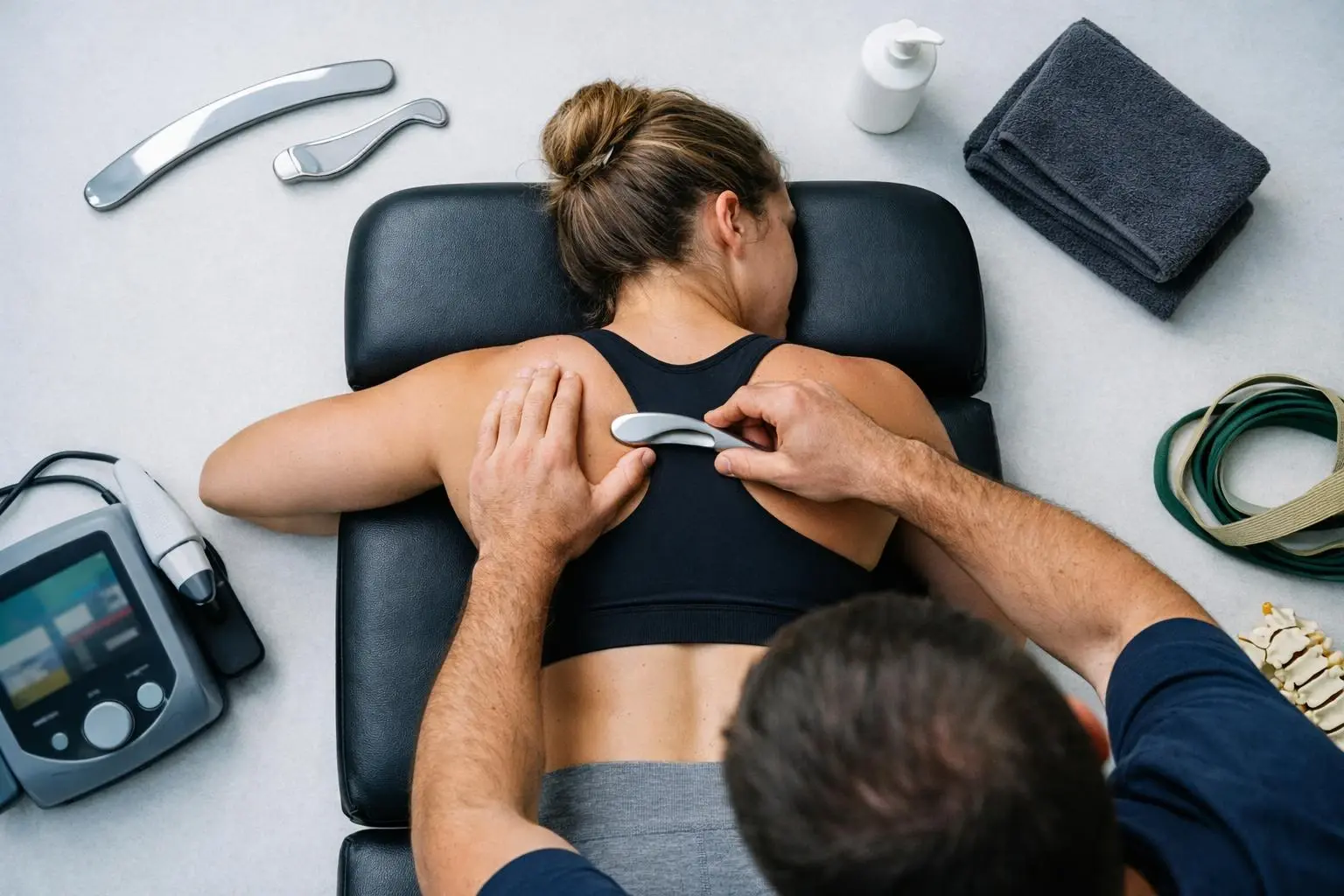
During a Graston Technique session, the provider uses the instruments to apply controlled pressure and strokes over the affected area. The tools are designed with specific edges and angles to detect and treat soft tissue restrictions effectively. The provider scans the area to identify regions of tension or adhesions, then uses the tools to break down scar tissue and fascial restrictions. This process helps to realign collagen fibers, improve circulation. And reduce pain.

The technique is often described as a form of "controlled microtrauma" because the instruments create small, targeted disruptions in the soft tissue. This microtrauma stimulates the body's natural healing response, including increased blood flow and the release of growth factors that promote tissue repair. Patients may experience temporary redness, bruising. Or soreness after treatment, which typically resolves within a few days. Sessions usually last between 10 and 15 minutes and are often combined with other therapies, such as stretching or electrical stimulation, to boost results.

Why Graston Technique Matters?
How Graston Technique applies to Chiropractor services in Nashville, United States—practical illustration

Graston Technique can be a valuable tool for patients recovering from soft tissue injuries, particularly those involving chronic inflammation or scar tissue. Unlike traditional massage or manual therapy, the instruments used in Graston Technique allow providers to target deeper layers of tissue with greater precision. This can lead to faster recovery times and improved function, especially for athletes or individuals with repetitive strain injuries. The technique is also beneficial for patients who have not responded well to other forms of treatment, such as rest, ice. Or medication.

Another key benefit of Graston Technique is its ability to improve range of motion and reduce pain without the need for invasive procedures or medications. This makes it a popular choice for patients seeking non-surgical options for managing soft tissue injuries. And the technique can help prevent future injuries by addressing underlying tissue restrictions before they lead to more serious problems, such as tendon ruptures or chronic pain syndromes.

When Graston Technique Matters Most?

Graston Technique is most effective for conditions involving soft tissue restrictions, scar tissue. Or chronic inflammation. Common applications include sports injuries (e.g., tennis elbow, Achilles tendonitis), repetitive strain injuries (e.g., carpal tunnel syndrome, plantar fasciitis). And post-surgical recovery (e.g., scar tissue formation after knee or shoulder surgery). It is also frequently used for patients with chronic pain conditions, such as fibromyalgia or myofascial pain syndrome, where soft tissue restrictions contribute to discomfort and limited mobility.

The technique is particularly useful for patients who have not found relief from other conservative treatments, such as rest, ice. Or traditional massage. But it may not be suitable for everyone. Patients with certain medical conditions, such as open wounds, infections. Or blood clotting disorders, should avoid Graston Technique. And individuals with osteoporosis or fragile skin may require modified treatment approaches to prevent injury. A thorough evaluation by a trained provider is essential to determine whether Graston Technique is appropriate for a patient's specific condition.

How to Evaluate Graston Technique?

Related Concepts Compared

Graston Technique vs. Myofascial Release

Myofascial release uses hands or foam rollers to stretch and release tight fascia. While Graston Technique uses stainless-steel tools to break down scar tissue and adhesions.

Graston Technique vs. Deep Tissue Massage

Deep tissue massage applies firm pressure with hands to release muscle tension, whereas Graston Technique uses instruments to target specific soft tissue restrictions.

Graston Technique vs. Dry Needling

Dry needling involves inserting thin needles into trigger points to relieve muscle tightness. While Graston Technique uses tools to scrape and mobilize soft tissues externally.

Expert Note

Graston Technique is not a one-size-fits-all solution. The effectiveness depends on the provider's skill, the patient's condition. And how well it is integrated into a comprehensive treatment plan. Overuse or improper technique can lead to excessive bruising or discomfort. So gradual progression is key.

Common Mistakes or Myths About Graston Technique

  • Assuming Graston Technique is painful; mild discomfort is normal. But severe pain suggests improper technique.
  • Expecting immediate results; healing often requires multiple sessions and complementary therapies.
  • Confusing Graston Technique with massage; it is a targeted, instrument-based therapy, not a relaxation technique.
  • Skipping follow-up care, such as stretching or strengthening exercises, which are essential for long-term recovery.

Graston Technique in Practice: A Real-World Example

A construction worker in Nashville develops chronic shoulder pain from repetitive lifting. After months of rest and medication provide no relief, his chiropractor recommends Graston Technique. Using stainless-steel tools, the provider targets scar tissue in the rotator cuff, improving blood flow and reducing stiffness. After four sessions, the worker regains full range of motion and returns to work pain-free.

Sources & Further Reading on Graston Technique

Related Services

Related Terms

Myofascial Release

Myofascial Release is a hands-on therapy technique that gently applies sustained pressure to tight or restricted areas of the body’s fascia—the thin, web-like connective tissue surrounding muscles, bones. And organs. This method aims to relieve pain, restore motion. And improve function by releasing tension in the fascia, often caused by injury, inflammation. Or poor posture.

Soft Tissue Injury

Soft Tissue Injury is damage to the body’s muscles, tendons, ligaments. Or other non-bony structures caused by sudden trauma, overuse. Or repetitive strain. Soft Tissue Injury often results in pain, swelling, bruising. Or limited movement and can occur during sports, accidents. Or daily activities. These injuries typically heal with rest, ice, compression.

Chiropractic Care

Chiropractic Care is a healthcare discipline focused on diagnosing and treating musculoskeletal disorders, particularly those related to the spine. Chiropractic Care emphasizes manual adjustments, spinal manipulation. And other non-surgical techniques to alleviate pain, improve mobility.

Trigger Point Therapy

Trigger Point Therapy is a manual treatment method that targets tight, painful knots in muscles called trigger points. These knots can cause localized pain or refer pain to other areas of the body. The therapy involves applying pressure to the trigger points to release tension, improve blood flow. And reduce pain, often used by chiropractors, physical therapists.

Electrical Muscle Stimulation

Electrical Muscle Stimulation is a therapeutic technique that uses controlled electrical currents to cause muscle contractions. These contractions help reduce pain, improve circulation. And promote healing in injured or weakened muscles. The treatment is often used alongside other therapies to support recovery from injuries, surgery. Or chronic conditions.

Advanced Injury Care Clinic

Have Questions About Graston Technique?

Contact Advanced Injury Care Clinic for practical guidance on Graston Technique and related chiropractor work in Nashville.

+1 615-777-0624