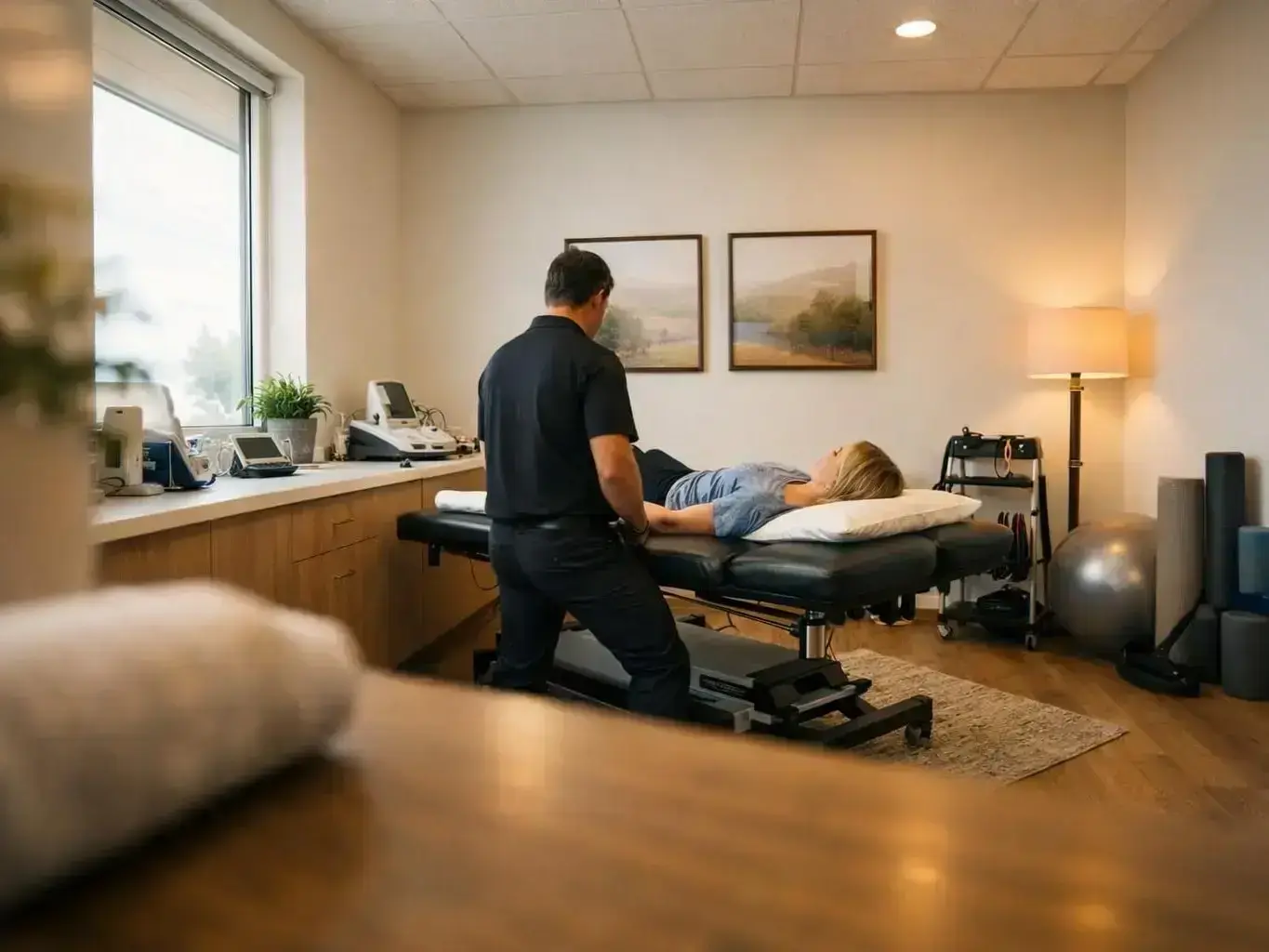
Understanding ART Certification

ART Certification is a professional qualification that demonstrates a healthcare provider’s expertise in Active Release Techniques. This method focuses on identifying and correcting soft tissue injuries caused by repetitive strain, trauma. Or overuse. Unlike general massage or stretching, ART involves specific manual techniques to release adhesions and restore normal tissue function. The certification process includes extensive hands-on training and testing to ensure providers can apply the techniques safely and effectively.
Related glossary terms: Active Release Technique, Soft Tissue Injury, Chiropractic Care.
Active Release Techniques were developed in the 1980s by Dr. P. Michael Leahy, a chiropractor and engineer. The method combines movement-based assessments with targeted pressure to treat conditions like carpal tunnel syndrome, plantar fasciitis. And shoulder impingement. ART Certification is recognized across sports medicine, physical therapy. And chiropractic care, making it a valuable credential for providers working with athletes, workers. Or patients recovering from injuries.
How ART Certification Works?
To earn ART Certification, providers must complete a series of courses covering different body regions, such as the spine, upper extremities. And lower extremities. Each course includes both classroom instruction and hands-on practice under the supervision of ART instructors. After completing the required courses, providers must pass a written exam and a practical evaluation where they demonstrate proficiency in diagnosing and treating soft tissue injuries using ART protocols.
Certification is not a one-time achievement. Providers must renew their credentials annually by completing continuing education courses and demonstrating ongoing clinical competence. That way that certified providers stay updated on the latest techniques and best practices. ART Certification is divided into different levels, with higher levels requiring more advanced training and experience. For example, providers can pursue certification in specific areas like nerve entrapments or sports injuries.
Why ART Certification Matters?
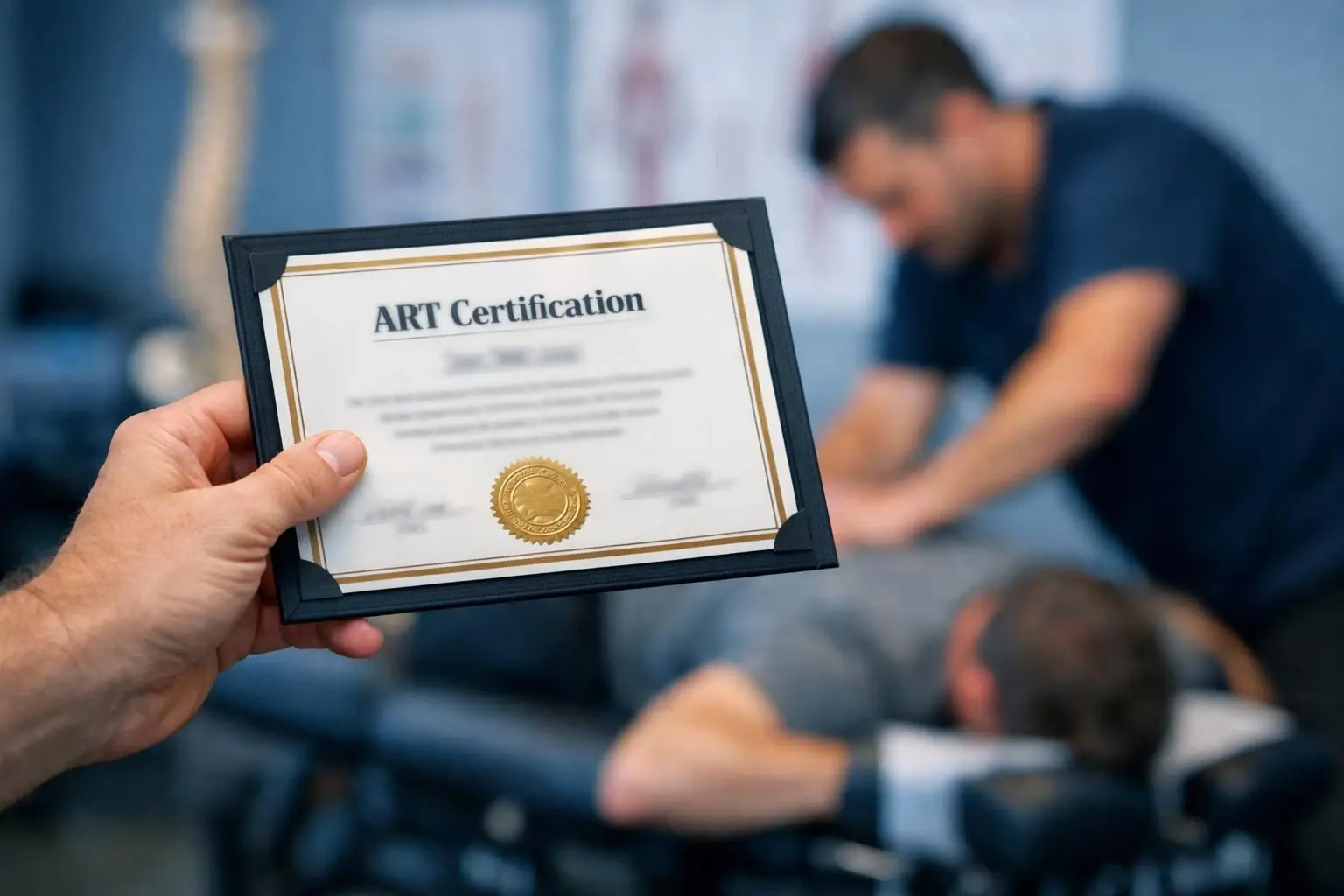
ART Certification matters because it signals a provider’s ability to deliver targeted, evidence-informed care for soft tissue injuries. Many common conditions, such as tendonitis, muscle strains. And nerve compression, don't respond well to rest or generic treatments. ART provides a structured approach to identify the root cause of pain and dysfunction, often leading to faster recovery and improved outcomes. For patients, choosing a certified provider means accessing a treatment method backed by clinical research and refined through decades of practice.
For healthcare providers, ART Certification can boost their clinical toolkit and expand their patient base. The credential is particularly valuable for professionals working with athletes, workers in physically demanding jobs. Or patients recovering from accidents. Certification also opens opportunities for collaboration with other providers, such as physical therapists or orthopedic specialists, who recognize the value of ART in full injury care.
When ART Certification Matters Most?
ART Certification becomes especially important in situations where soft tissue injuries are causing persistent pain or limiting function. For example, athletes with overuse injuries, office workers with carpal tunnel syndrome. Or patients recovering from car accidents may benefit from ART treatment. The certification is also relevant for providers working in occupational health, where repetitive strain injuries are common. Or in sports medicine, where quick recovery is critical.
In Nashville, TN, where physical labor, sports. And auto accidents contribute to soft tissue injuries, ART Certification helps chiropractors and other providers offer specialized care. Patients seeking relief from chronic pain or recovering from workplace injuries may specifically look for certified providers to ensure they receive effective treatment. And insurance providers and workers’ compensation programs often recognize ART as a valid treatment method, making certification important for reimbursement and compliance.