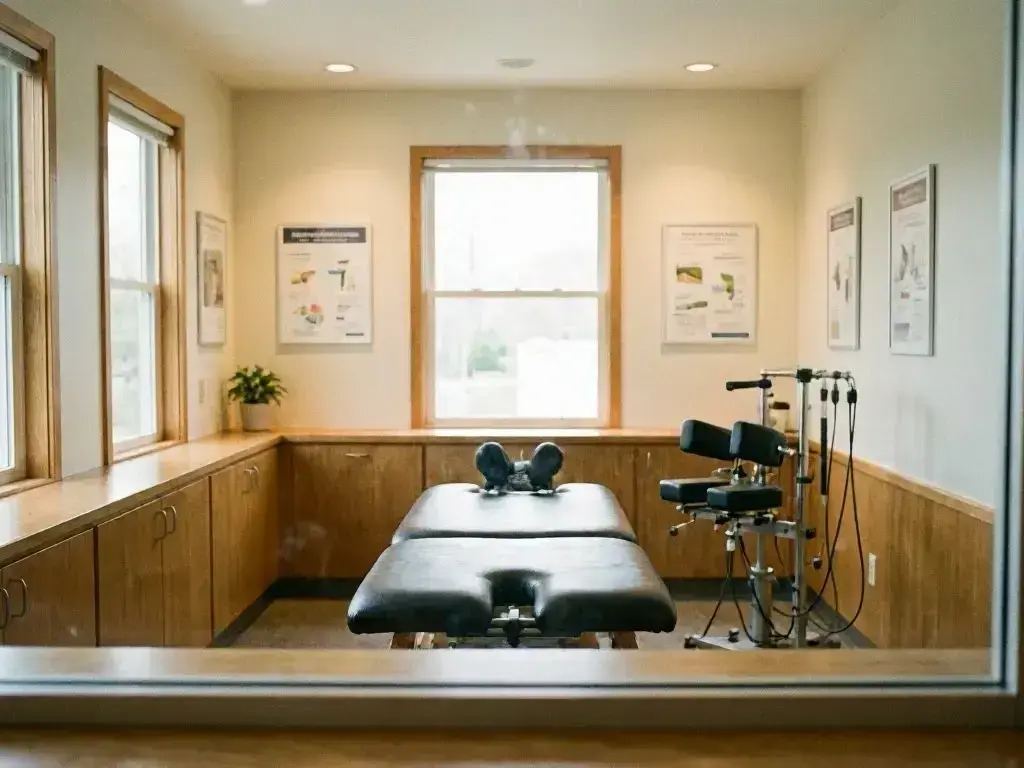
Understanding Chiropractic Gonstead Technique

The Chiropractic Gonstead Technique is a specialized approach within chiropractic care designed to address spinal misalignments with high precision. Unlike general chiropractic methods that may use broader adjustments, the Gonstead Technique focuses on identifying the exact location and nature of spinal dysfunction before applying a specific adjustment. This method was developed by Dr. Clarence Gonstead in the 1920s and has since become a widely recognized system for evaluating and correcting spinal issues.
Related glossary terms: Chiropractic Adjustment, Chiropractic Subluxation, Spinal Manipulation.
Chiropractors using the Gonstead Technique rely on a combination of diagnostic tools to pinpoint problems. These tools include X-rays, which provide a detailed view of the spine’s alignment, palpation (feeling the spine with hands). And specialized instruments that measure heat and muscle tension along the spine. This thorough examination helps ensure that adjustments are targeted and effective, reducing the risk of unnecessary or overly forceful corrections.
How Chiropractic Gonstead Technique Works?
The Gonstead Technique follows a structured process to evaluate and adjust the spine. First, the chiropractor conducts a visual analysis of the patient’s posture and gait to identify any obvious imbalances. Next, they use static and motion palpation to feel for areas of restricted movement, tenderness. Or swelling along the spine. Instrumentation, such as a nervoscope, may also be used to detect changes in temperature that can indicate inflammation or nerve irritation.
Once the problem areas are identified, the chiropractor applies a precise, manual adjustment to the misaligned vertebra. The adjustment is typically delivered with a quick, controlled thrust using the hands, targeting only the specific joint that needs correction. This approach minimizes unnecessary movement of nearby vertebrae, which can help reduce discomfort and improve the effectiveness of the treatment. Patients often report immediate relief or improved mobility after an adjustment. Though some may require multiple sessions to achieve lasting results.
Why Chiropractic Gonstead Technique Matters?

The Gonstead Technique matters because it offers a systematic and evidence-based approach to spinal care. By focusing on precise adjustments, it aims to address the root cause of pain or dysfunction rather than just treating symptoms. This can be particularly beneficial for patients with chronic back pain, sciatica, headaches. Or other conditions related to spinal misalignment. The technique’s emphasis on thorough examination also helps chiropractors avoid unnecessary adjustments, reducing the risk of over-treatment or injury.
For patients, the Gonstead Technique provides a clear and structured treatment plan. The use of X-rays and instrumentation allows for objective measurements, which can help track progress over time. And the technique’s focus on specificity can make it a preferred choice for patients who have not responded well to more general chiropractic methods or who seek a conservative alternative to surgery or medication.
When Chiropractic Gonstead Technique Matters Most?
The Gonstead Technique is particularly valuable in situations where precise spinal correction is needed. For example, patients with acute injuries, such as whiplash from a car accident, may benefit from the technique’s targeted approach to realigning the spine. Similarly, individuals with chronic conditions like herniated discs or spinal stenosis may find relief through the technique’s ability to address specific areas of dysfunction without excessive force.
This technique is also useful for patients who prefer a hands-on, drug-free approach to pain management. Because the Gonstead Technique relies on detailed examination and manual adjustments, it can be a good fit for those seeking a conservative treatment option. And chiropractors trained in this method may use it to complement other therapies, such as physical rehabilitation or soft tissue work, to provide full care for musculoskeletal issues.