Glossary

What is Atlas Orthogonal?

Atlas Orthogonal is a gentle, precise chiropractic technique focused on correcting misalignment of the atlas vertebra, the top bone in the neck. This method uses a specialized instrument to deliver a low-force adjustment without twisting or cracking the spine, aiming to improve nervous system function and overall health.

Reviewed by Advanced Injury Care ClinicSources reviewed: Atlas Orthogonal Chiropractic Society, National Center for Biotechnology Information (NCBI)

Quick Facts About Atlas Orthogonal

Category

Chiropractic technique

Used for

Neck misalignment, headaches, nervous system dysfunction

Common confusion

Often mistaken for general spinal manipulation

Also called

AO technique, Atlas Orthogonal Chiropractic

Often discussed with

Neck Pain Treatment

Key Takeaways About Atlas Orthogonal

Understanding Atlas Orthogonal
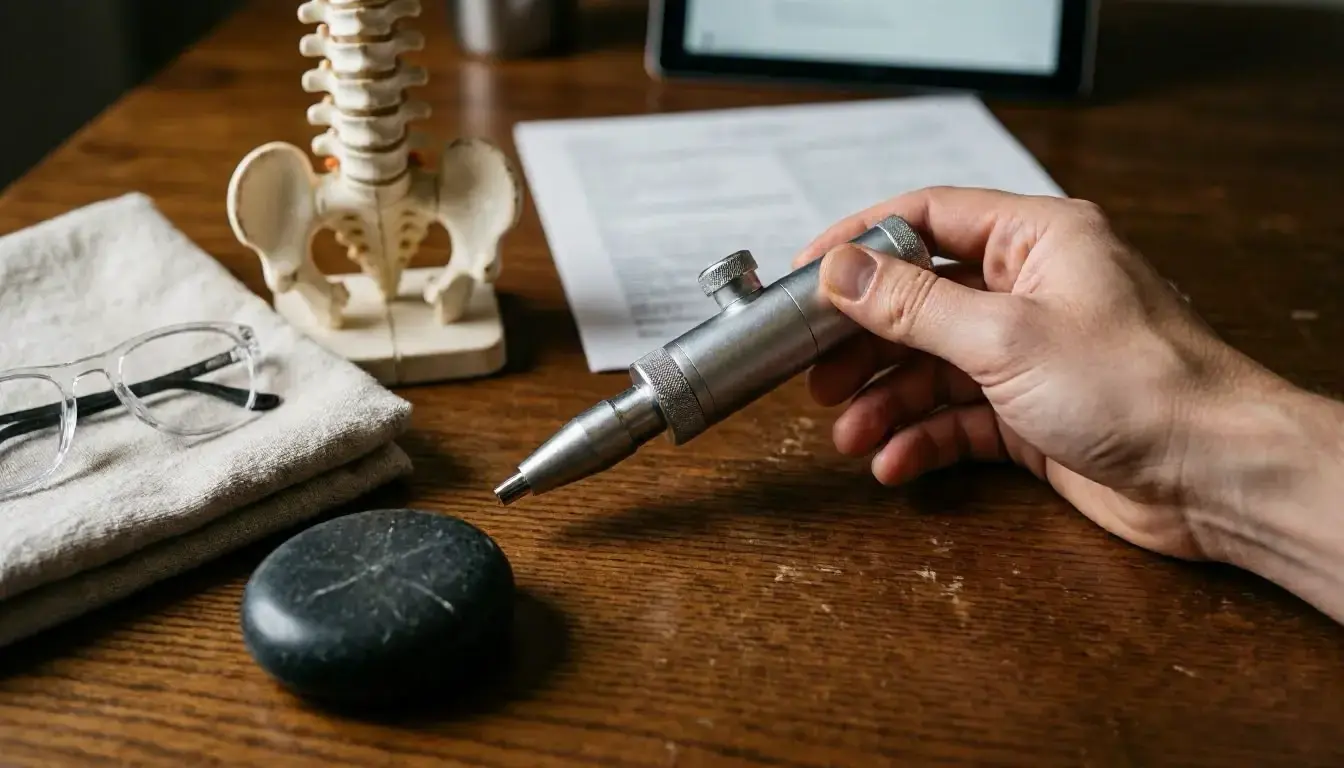
Atlas Orthogonal in Chiropractor: Atlas Orthogonal is a gentle, precise chiropractic technique focused on correcting misal...

Atlas Orthogonal is a chiropractic technique designed to correct misalignment of the atlas vertebra, which is the first cervical vertebra (C1) located at the top of the spine. This bone supports the skull and plays a critical role in nervous system function. Misalignment of the atlas can disrupt nerve signals, leading to symptoms like headaches, neck pain, dizziness. And even postural imbalances. Unlike traditional chiropractic adjustments that may involve manual manipulation, Atlas Orthogonal uses a specialized instrument to deliver a precise, low-force correction without twisting or cracking the spine.

Related glossary terms: Chiropractic Adjustment, Chiropractic Manipulation, Chiropractic Subluxation.

The technique is based on the principle that even a slight misalignment of the atlas can affect the entire body. Because the atlas vertebra is positioned just below the brainstem, its alignment influences the flow of nerve signals between the brain and the rest of the body. When the atlas is misaligned, it can create tension in the muscles, ligaments. And nerves, leading to discomfort and reduced mobility. Atlas Orthogonal aims to restore proper alignment to alleviate these issues and support overall health.

How Atlas Orthogonal Works?

The Atlas Orthogonal procedure begins with a detailed assessment, including X-rays or imaging to measure the exact position of the atlas vertebra. This step is crucial because the technique relies on precise calculations to determine the direction and force needed for the adjustment. Once the misalignment is identified, the chiropractor uses a specialized instrument called an Atlas Orthogonal percussion adjusting instrument. This tool delivers a gentle, controlled impulse to the side of the neck, targeting the atlas vertebra without manual force.

The adjustment itself is quick and painless, often described as feeling like a light tap or vibration. Because the technique avoids twisting or cracking the spine, it's considered a gentler alternative to traditional chiropractic methods. Patients typically lie on their side or back during the procedure. And the chiropractor may use additional tools, such as a headpiece or postural analysis, to ensure accuracy. Follow-up visits may include re-imaging to track progress and make any necessary adjustments to the treatment plan.

Why Atlas Orthogonal Matters?
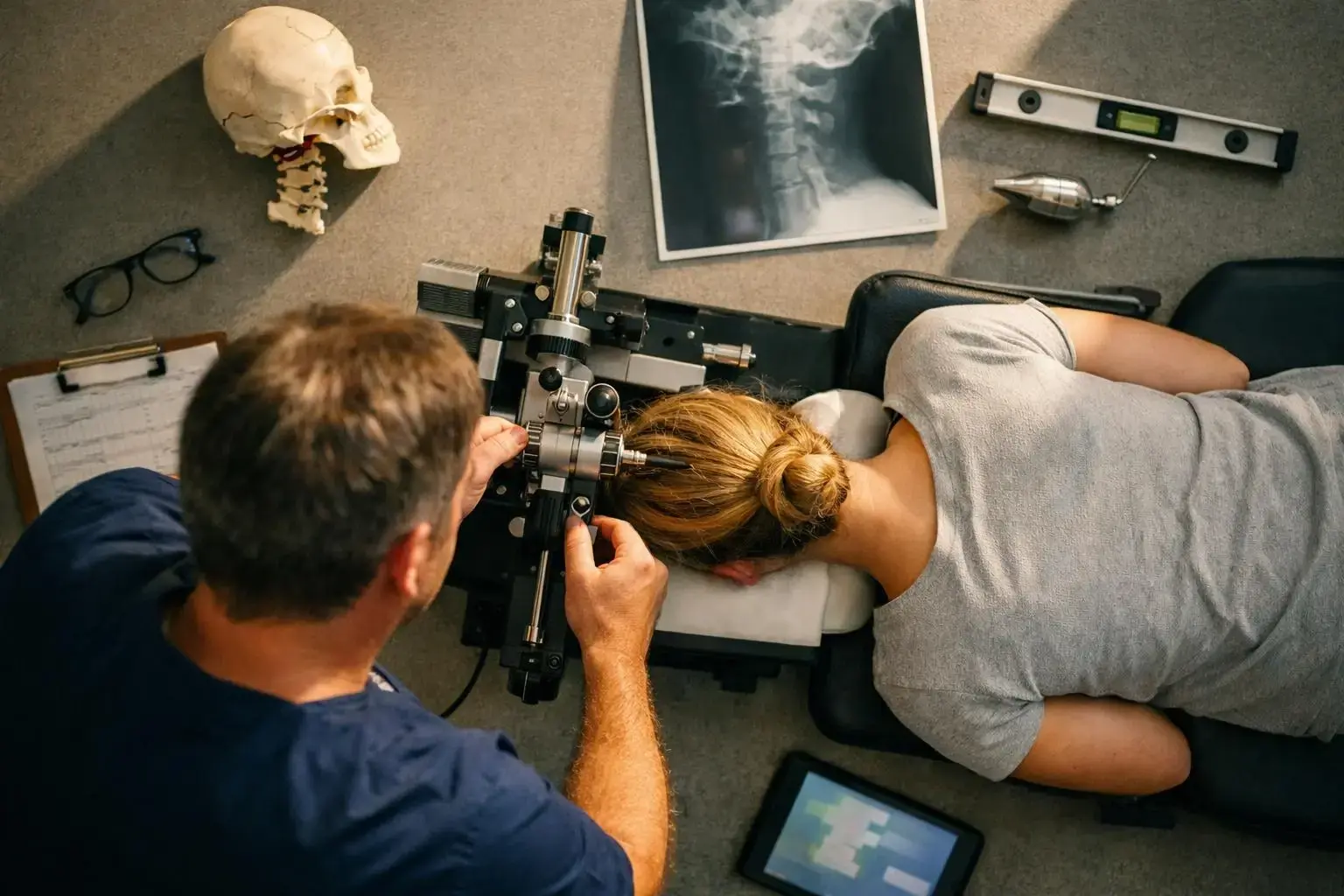
How Atlas Orthogonal applies to Chiropractor services in Nashville, United States—practical illustration

Atlas Orthogonal matters because the atlas vertebra’s alignment has a direct impact on the nervous system, which controls nearly every function in the body. When the atlas is misaligned, it can create tension in the spinal cord, leading to nerve irritation and dysfunction. This can manifest as pain, stiffness. Or even symptoms like chronic headaches, migraines. Or dizziness. By correcting the atlas alignment, Atlas Orthogonal aims to restore proper nerve function, which can improve overall health and well-being.

Another key benefit of Atlas Orthogonal is its precision. Because the technique relies on imaging and specialized instruments, it allows for targeted adjustments that address the root cause of misalignment rather than just masking symptoms. This makes it particularly useful for patients who may not respond well to traditional chiropractic methods or who prefer a gentler approach. And Atlas Orthogonal is often used as part of a broader chiropractic care plan to support long-term spinal health and prevent future issues.

When Atlas Orthogonal Matters Most?

Atlas Orthogonal is most beneficial for individuals experiencing symptoms related to atlas misalignment, such as chronic neck pain, headaches, migraines. Or postural imbalances. It is also commonly used for patients who have tried other chiropractic techniques without success or who are seeking a gentler alternative to manual adjustments. Because the technique is non-invasive and low-force, it is suitable for a wide range of patients, including children, seniors. And individuals with conditions like arthritis or osteoporosis that may make traditional adjustments uncomfortable.

This technique is also valuable for athletes, office workers. Or anyone whose daily activities put stress on the neck and spine. For example, people who spend long hours sitting at a desk or using electronic devices may develop poor posture, leading to atlas misalignment. Similarly, athletes or individuals involved in physical labor may experience misalignment due to repetitive movements or injuries. In these cases, Atlas Orthogonal can help restore proper alignment, reduce pain. And improve mobility, allowing patients to return to their daily activities with greater comfort and ease.


How to Evaluate Atlas Orthogonal?

Related Concepts Compared

Atlas Orthogonal vs. Chiropractic Adjustment

Traditional chiropractic adjustments often involve manual manipulation, twisting. Or cracking of the spine. While Atlas Orthogonal uses a precise instrument for a low-force correction.

Atlas Orthogonal vs. Gonstead Technique

The Gonstead Technique focuses on the entire spine and uses manual adjustments, whereas Atlas Orthogonal targets only the atlas vertebra and uses a specialized instrument.

Atlas Orthogonal vs. Spinal Manipulation

Spinal manipulation is a broad term for manual adjustments to the spine. While Atlas Orthogonal is a specific technique that avoids manual force and focuses on the atlas vertebra.

Expert Note

Atlas Orthogonal requires precise imaging and calculation to ensure the adjustment is accurate. Even a small error in measurement can reduce effectiveness. So it’s important to work with a chiropractor trained in this technique.

Common Mistakes or Myths About Atlas Orthogonal

  • Assuming Atlas Orthogonal is the same as traditional chiropractic adjustments.
  • Believing the technique involves cracking or twisting the neck.
  • Expecting immediate results after a single adjustment.
  • Choosing a chiropractor without specific Atlas Orthogonal training.

Atlas Orthogonal in Practice: A Real-World Example

A patient suffering from chronic migraines visits a chiropractor trained in Atlas Orthogonal. After X-rays reveal misalignment of the atlas vertebra, the chiropractor uses a specialized instrument to deliver a gentle adjustment. Over several visits, the patient reports fewer headaches and improved neck mobility.

Sources & Further Reading on Atlas Orthogonal

Related Services

Related Terms

Chiropractic Adjustment

Chiropractic Adjustment is a hands-on procedure where a licensed chiropractor applies controlled force to a specific joint in the spine or other body parts to improve alignment, reduce pain. And restore mobility. This technique targets misalignments called subluxations, helping the nervous system function better without surgery or medication.

Chiropractic Manipulation

Chiropractic Manipulation is a hands-on treatment where a licensed chiropractor applies controlled force to joints, especially in the spine, to improve motion, reduce pain. And restore function. Chiropractic Manipulation focuses on the musculoskeletal system and its connection to the nervous system without using surgery or medication.

Chiropractic Subluxation

Chiropractic Subluxation is a condition where a spinal joint moves slightly out of its normal position, potentially causing nerve irritation, pain. Or reduced function. Chiropractors identify and correct subluxations to help improve spinal alignment, nerve communication. And overall health without surgery or medication.

Spinal Manipulation

Spinal Manipulation is a hands-on treatment technique used by chiropractors and other healthcare providers to relieve pain and improve function in the spine. It involves applying controlled force to specific joints, often producing a popping or cracking sound as gas escapes from the joint fluid. This process aims to restore mobility, reduce muscle tension.

Chiropractic Care

Chiropractic Care is a health care profession focused on diagnosing and treating musculoskeletal disorders, particularly those related to the spine. Chiropractic Care uses hands-on spinal manipulation and other alternative treatments to align the body's musculoskeletal structure, enabling the body to heal itself without surgery or medication. This care primarily addresses back pain, neck pain, joint pain.

ChiropractorNashville.com

Have Questions About Atlas Orthogonal?

Contact ChiropractorNashville.com for practical guidance on Atlas Orthogonal and related chiropractor work in Nashville.

+1 615-777-0624