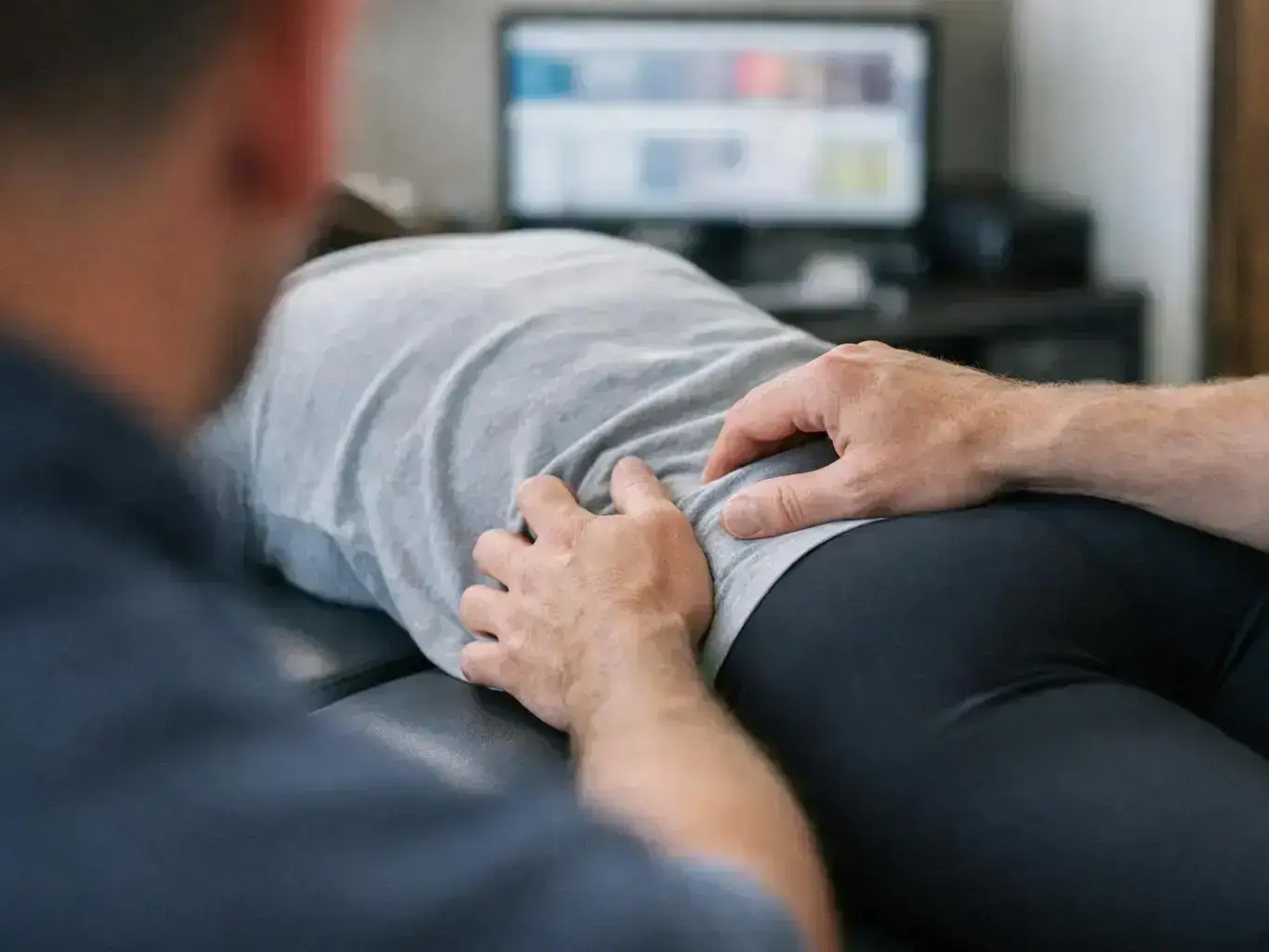
Understanding X-Ray

X-Rays are a common medical tool used to see inside the body without making any cuts. When a patient stands or lies in front of an X-Ray machine, a small amount of radiation passes through their body. Bones, which are dense, block most of this radiation. While softer tissues like skin and muscles let it pass through. The result is a black-and-white image where bones appear white and soft tissues appear darker. This simple process helps doctors and chiropractors quickly check for broken bones, spinal problems. Or joint damage.
X-Rays are especially useful in chiropractic care because they show the spine and joints in clear detail. A chiropractor might order an X-Ray to see if a vertebra is out of place, if there is arthritis in a joint. Or if a bone is fractured. Unlike MRI or CT scans, X-Rays are fast, affordable. And widely available, making them a first choice for many bone-related concerns. But they don't show soft tissues like muscles, ligaments. Or discs. So other tests might be needed for a full picture.
How X-Ray Works?
The X-Ray process starts when a machine sends a controlled beam of radiation through the part of the body being examined. A detector on the other side captures the radiation that passes through, creating an image based on how much was absorbed. Bones absorb more radiation. So they appear white on the image. While air-filled spaces like the lungs appear black. Skin, fat. And muscle appear in shades of gray. The entire process takes only a few seconds. And the images are usually ready to view right away.
Patients are often asked to hold still and may need to change positions to get different views. For example, a chiropractor might want both a front and side view of the spine to check alignment. Protective shields or aprons are sometimes used to block radiation from reaching other parts of the body, especially sensitive areas like the reproductive organs. While the amount of radiation in a single X-Ray is small, repeated exposure over time can add up. So doctors only order them when truly needed.
Why X-Ray Matters?
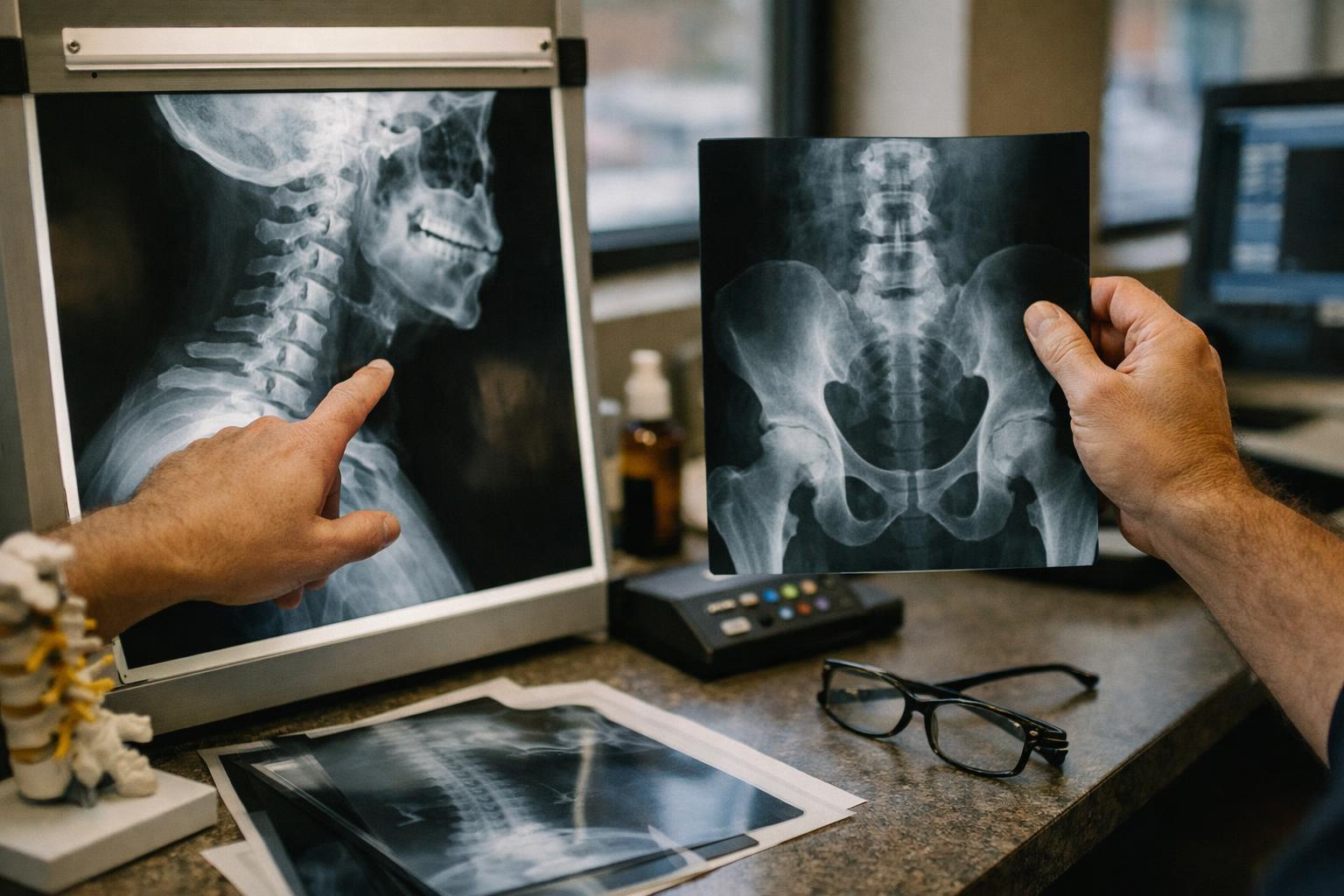
X-Rays play a key role in diagnosing injuries and conditions that affect bones and joints. For chiropractic patients, an X-Ray can reveal problems like spinal misalignments, arthritis. Or fractures that might be causing pain or limiting movement. Without this imaging, doctors would have to rely on symptoms alone, which can be misleading. For example, back pain might be caused by a misaligned vertebra, a herniated disc. Or muscle strain—an X-Ray can help rule out or confirm bone-related causes.
Beyond diagnosis, X-Rays also help guide treatment. If a chiropractor sees a spinal misalignment on an X-Ray, they can adjust their techniques to target that specific area. Similarly, if a fracture is detected, the patient can be referred to an orthopedist for proper care. X-Rays are also used to track progress over time, such as monitoring the healing of a broken bone or the improvement of spinal alignment after treatment.
When X-Ray Matters Most?
X-Rays are most important when a patient has symptoms that suggest a bone or joint problem. Common reasons a chiropractor might order an X-Ray include persistent back or neck pain, numbness or tingling in the arms or legs, recent trauma like a fall or car accident. Or signs of arthritis. They're also useful for patients who have not improved with other treatments, as the images can reveal hidden issues like fractures or severe misalignments.
In Nashville, TN, where car accidents and workplace injuries are common, chiropractors often use X-Rays to assess damage from whiplash, falls. Or heavy lifting. For example, a patient involved in a rear-end collision might have neck pain that doesn’t go away with rest—an X-Ray can help determine if there is a misalignment or fracture contributing to the discomfort. Similarly, athletes or active individuals might need X-Rays to check for stress fractures or joint wear from repetitive motion. While X-Rays are not needed for every patient, they provide valuable information in cases where bone or joint health is a concern.