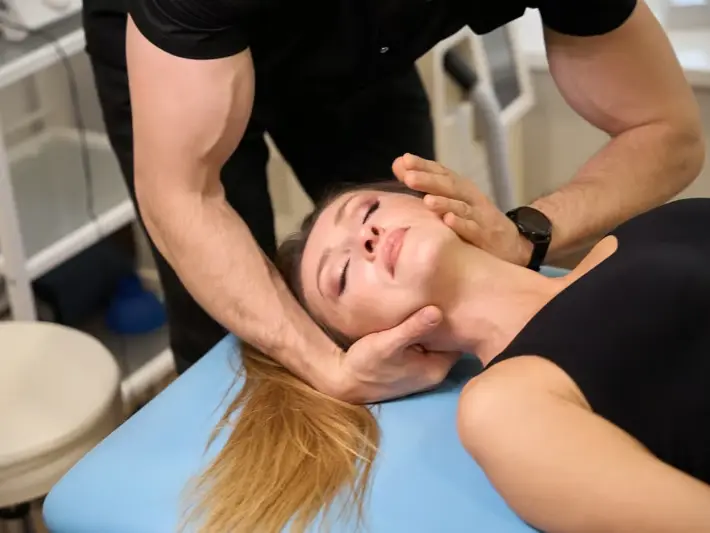
Understanding Vertebral Subluxation

Vertebral subluxation happens when spine bones move a little. They don't move all the way out of place.
This shift can come from injuries, bad posture. Or stress. It can also come from spine changes as we age.
The bones still touch but don't line up right. This can press on nerves, muscles. Or parts that hold bones together.
That can cause pain, tight muscles. Or trouble moving.
Chiropractors (spine doctors) focus on this idea. They check spine alignment to find these shifts.
Subluxations are not like broken bones. They usually don't show up on X-rays.
This makes them hard to find without a hands-on check. People may feel stiff or sore.
They might not know a subluxation causes it. This is true if symptoms come on slowly.
How Vertebral Subluxation Is Identified and Treated?
Chiropractors find subluxations with exams. They use touch, movement tests. And nerve checks.
When they touch your back, they feel for sore spots. They also feel for tight muscles or odd movement.
If they think there's a subluxation, they may do an adjustment. This is a quick, careful push on the bone.
It helps put the bone back in place. It also takes pressure off nerves.
The goal is to ease pain and help you move better. It also stops more irritation.
They may add other treatments too. These can be muscle work, stretches. Or exercises.
Some people feel better right away. Others need more than one visit.
This is true if muscles are very tight or posture is off. Follow-up visits help track progress.
Why Vertebral Subluxation Matters?
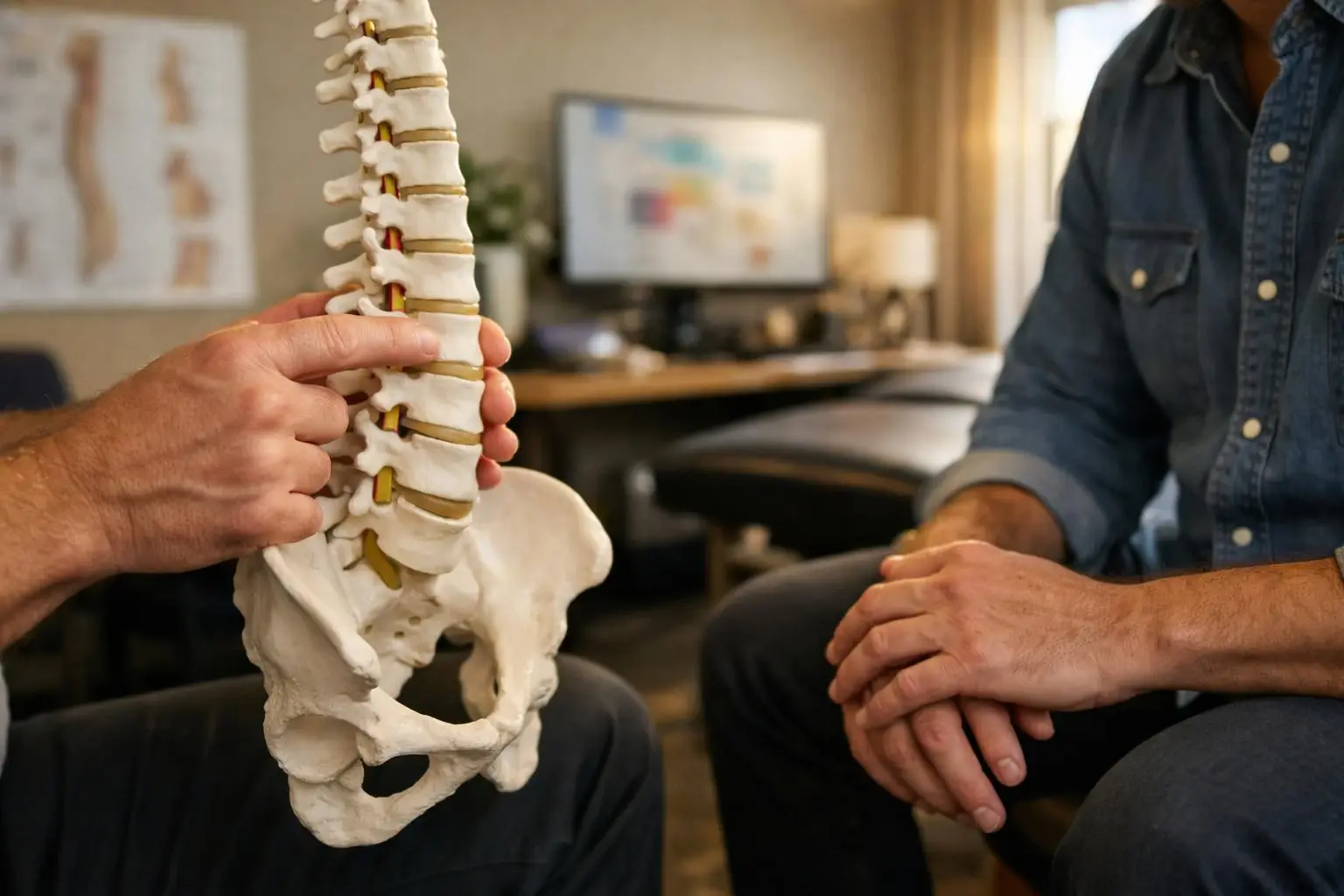
Small spine shifts can affect the whole body. When bones move, they can press on nerves.
These nerves run to muscles, organs. And senses. This can cause problems beyond back pain.
A neck shift may cause headaches. A lower back shift may cause leg pain.
Fixing shifts early can stop problems from getting worse.
Good spine alignment helps your nerves work well. Nerves send messages between brain and body.
This can help you move better. It can also help organs work right.
For active people, fixing shifts can prevent injuries. It helps the spine move the way it should.
When Vertebral Subluxation Matters Most?
Subluxations often show up after spine stress. This can be car accidents, falls. Or lifting wrong.
Pain, stiffness. Or spreading soreness may start right away. Or it may start days later.
People with desk jobs, athletes. And older adults get these more. Sitting too long or repeating moves can shift bones.
Subluxations can cause long-term problems too. These include headaches, neck pain. Or back stiffness.
If not fixed, they can cause muscle problems. They can also wear down joints or irritate nerves.
Regular spine checks can find shifts early. This is key for people healing from injuries.
It's also important for those with long-term spine issues.