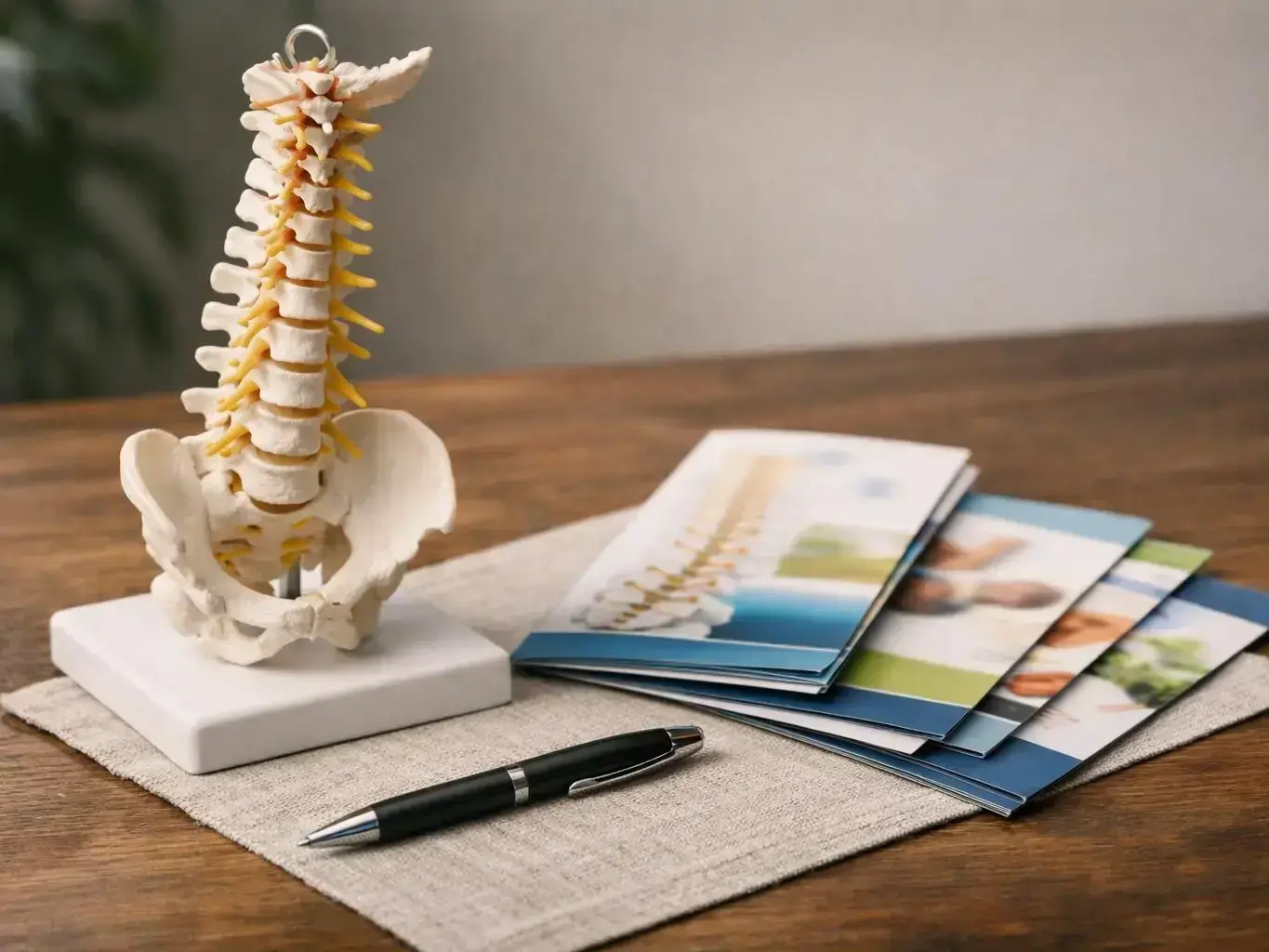
Understanding Pinched Nerve
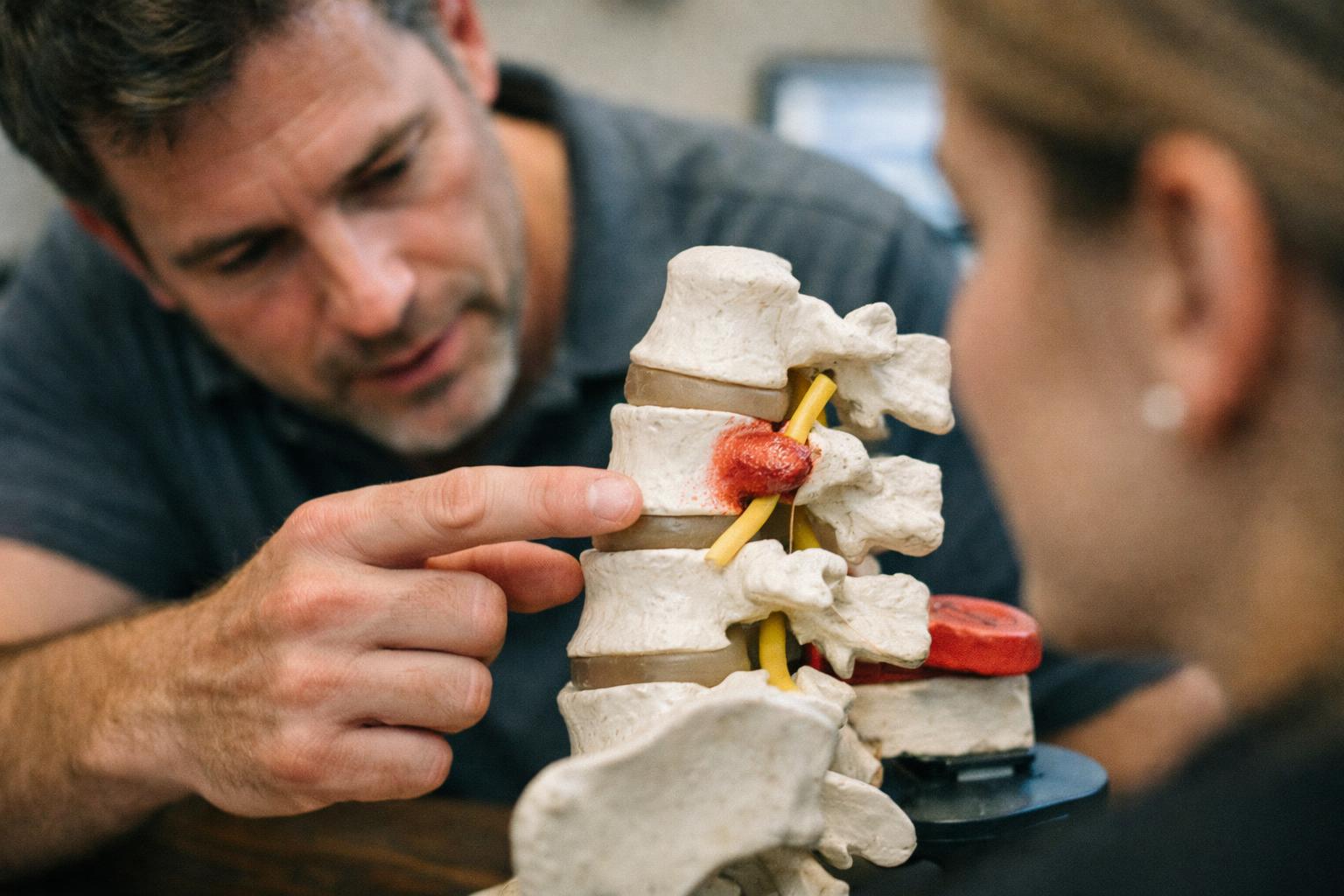
A pinched nerve happens when bones, muscles. Or tendons press on a nerve. This pressure stops the nerve from sending signals right. It can cause pain, tingling. Or weakness.
It can happen anywhere in your body. Nerves travel through tight spaces. These spots include the neck, back, shoulders. And wrists.
Pinched nerves come from daily habits. Bad posture or doing the same motion over and over can cause it. Sudden injuries can too.
Some health problems raise the risk. Arthritis or a herniated disc (a bulging spinal cushion) can squeeze nerves. Mild cases may get better on their own. But bad or long-lasting symptoms need care.
How Pinched Nerve Works?
Nerves work like wires. They carry messages from your brain to your body. When a nerve gets pinched, it can't send these messages.
This feels like stepping on a hose. The water can't flow. A pinched nerve can cause pain, tingling. Or numbness.
The area where you feel it depends on the nerve. A pinched nerve in your neck may hurt your arm. One in your back may hurt your legs.
Your body swells when a nerve is pinched. This is called inflammation. Rest, ice. And gentle movement can help.
But if you don't fix the cause, the nerve stays pinched. This can lead to long-term problems. Doctors may use X-rays or MRIs (pictures inside your body) to find the problem.
Why Pinched Nerve Matters?

A pinched nerve can make daily tasks hard. Typing, driving. Or sleeping may hurt. If not treated, it can cause lasting damage.
You may feel weak or lose feeling. Early help can stop this. Rest, therapy. Or chiropractic care can help.
Knowing the signs helps. You can act before it gets worse. Some pinched nerves come from bigger problems.
These include spinal stenosis (a tight spinal canal) or a herniated disc. Fixing these can help you stay healthy. It can also stop future nerve problems.
Fixing your posture at work helps too. This can stop pinched nerves from coming back. Ignoring symptoms can lead to surgery later.
When Pinched Nerve Matters Most?
Some pinched nerves need quick care. See a doctor right away if you have bad pain. Also go if you feel weak or can't control your bladder.
These signs may mean a serious problem. Cauda equina syndrome is one. It needs fast treatment.
If symptoms don't go away in a few days, see a doctor. They can check for bigger problems.
Some people get pinched nerves more often. This includes office workers or athletes. Their jobs or hobbies put them at risk.
Simple changes can help. Use ergonomic tools (things that fit your body). Stretch often. Chiropractic care can help too.
Watch for early signs. Tingling or numbness means act now. This can stop the problem before it gets worse.