Understanding Ligament Injury
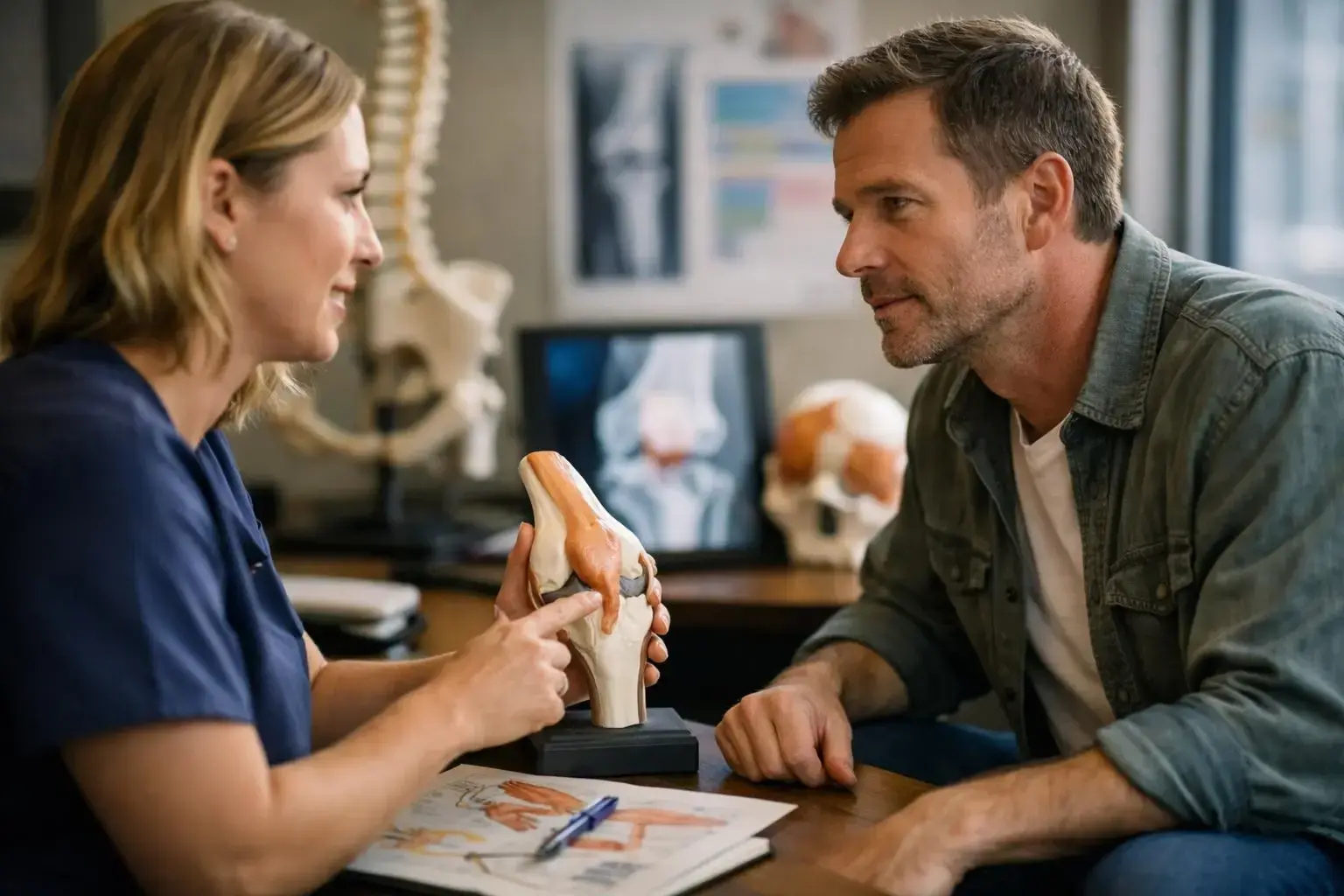
Ligament injuries occur when the strong, fibrous tissues that connect bones at joints are stretched beyond their normal range or torn. Ligaments act like elastic bands, providing stability and limiting excessive movement in joints such as knees, ankles, shoulders. And wrists. When these tissues are damaged, the joint may become unstable, painful. Or swollen, making everyday activities difficult. Ligament injuries are commonly classified into three grades: Grade 1 (mild stretching with minimal damage), Grade 2 (partial tearing with moderate instability). And Grade 3 (complete tear with significant joint instability).
These injuries often result from sudden movements, such as pivoting, landing awkwardly. Or colliding with another person or object. Sports like basketball, soccer. And skiing are frequent culprits. But ligament injuries can also happen during slips, falls. Or car accidents. The immediate symptoms typically include pain, swelling, bruising. And difficulty moving the affected joint. In severe cases, a popping sound may be heard at the time of injury, followed by rapid swelling and an inability to bear weight or use the joint normally.
How Ligament Injury Is Diagnosed and Treated?
Diagnosing a ligament injury usually begins with a physical examination by a healthcare provider. The provider will check for swelling, tenderness. And joint stability by gently moving the joint in specific directions. Imaging tests, such as X-rays, may be used to rule out bone fractures. While an MRI (magnetic resonance imaging) scan can confirm the extent of ligament damage. Ultrasound is another tool sometimes used to assess soft tissue injuries, including ligaments, in real time.
Treatment for ligament injuries depends on the severity and location of the damage. Mild sprains (Grade 1) often heal with rest, ice, compression. And elevation (RICE), along with over-the-counter pain relievers. Moderate injuries (Grade 2) may require bracing or splinting to stabilize the joint, followed by physical therapy to restore strength and flexibility. Severe tears (Grade 3) often need surgical repair, especially if the ligament is completely ruptured or if the joint remains unstable after non-surgical treatment. Recovery time varies widely, ranging from a few weeks for mild sprains to several months for surgical repairs.
Why Ligament Injury Matters?
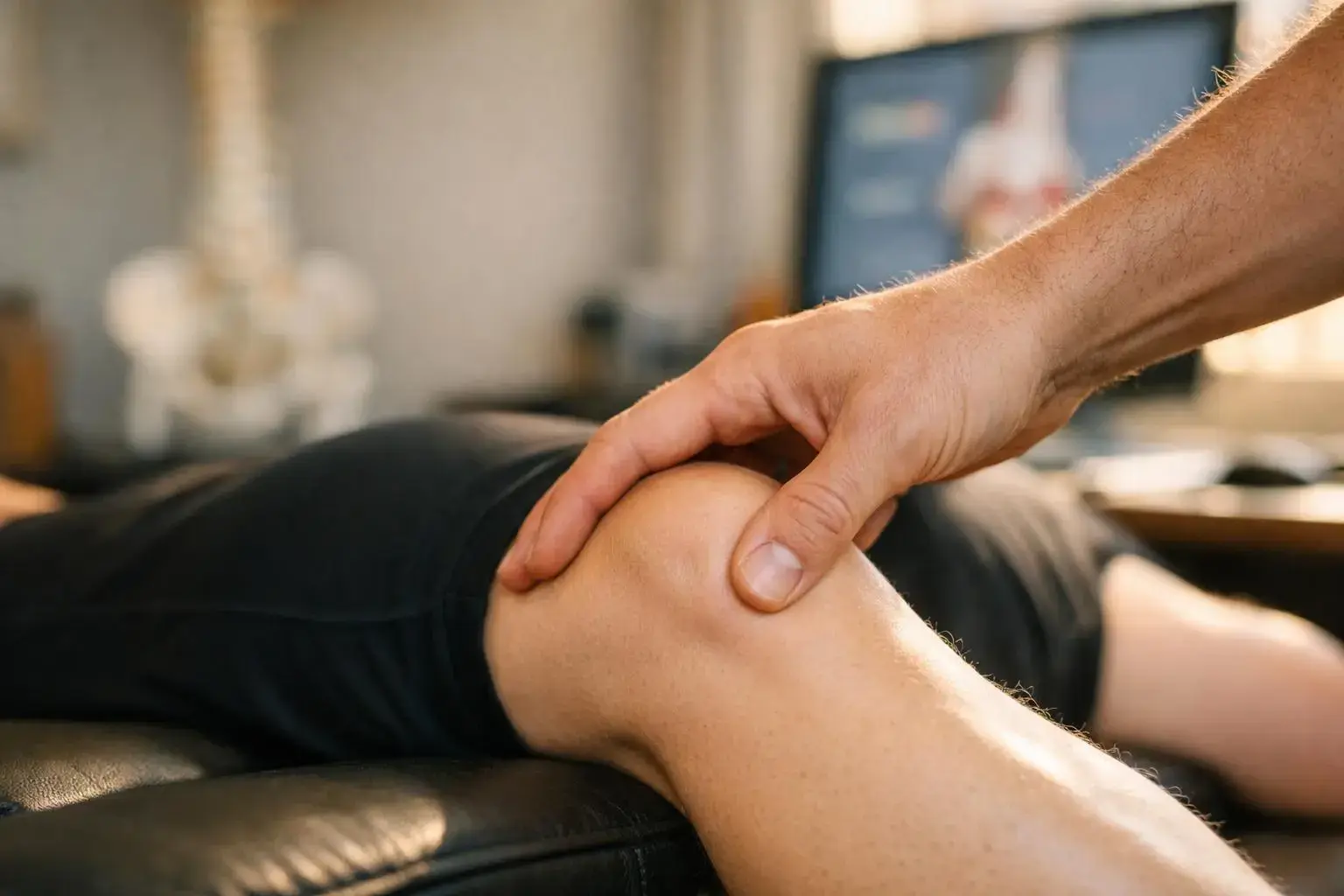
Ligament injuries matter because they can significantly impact mobility, quality of life. And long-term joint health. When ligaments are damaged, the joint may not function properly, leading to chronic pain, instability. Or an increased risk of future injuries. For example, a torn anterior cruciate ligament (ACL) in the knee can make walking, running. Or climbing stairs difficult without proper treatment. Over time, untreated ligament injuries can also contribute to osteoarthritis, a degenerative joint condition that causes pain and stiffness.
Beyond physical limitations, ligament injuries can have financial and emotional consequences. Medical treatments, including surgery and physical therapy, can be costly. And recovery may require time off work or away from sports and hobbies. For athletes or individuals with physically demanding jobs, a ligament injury can disrupt careers and daily routines. Early diagnosis and appropriate treatment are key to minimizing these impacts and ensuring a full recovery.
When Ligament Injury Matters Most?
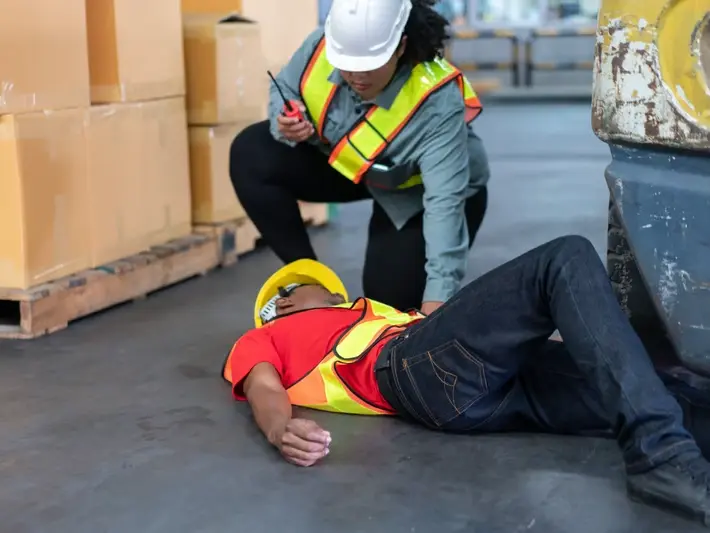
Ligament injuries matter most in situations where joint stability and movement are critical. Athletes, for example, are at higher risk of ligament injuries due to the demands of their sports. But these injuries can also occur during everyday activities like stepping off a curb incorrectly or lifting heavy objects. Car accidents and workplace injuries, such as slips or falls, are other common scenarios where ligament damage can happen. In these cases, prompt medical attention is important to assess the injury and prevent further damage.
Ligament injuries also become a priority when they affect weight-bearing joints like the knees or ankles, as these are essential for walking, standing. And balance. For instance, a torn ligament in the ankle can make it difficult to walk without pain or instability, increasing the risk of falls. In Nashville, TN, where outdoor activities, sports. And physically demanding jobs are common, ligament injuries are a frequent concern for chiropractors and other healthcare providers. Early intervention, such as chiropractic care or physical therapy, can help restore function and reduce the risk of long-term complications.