Understanding Intersegmental Traction
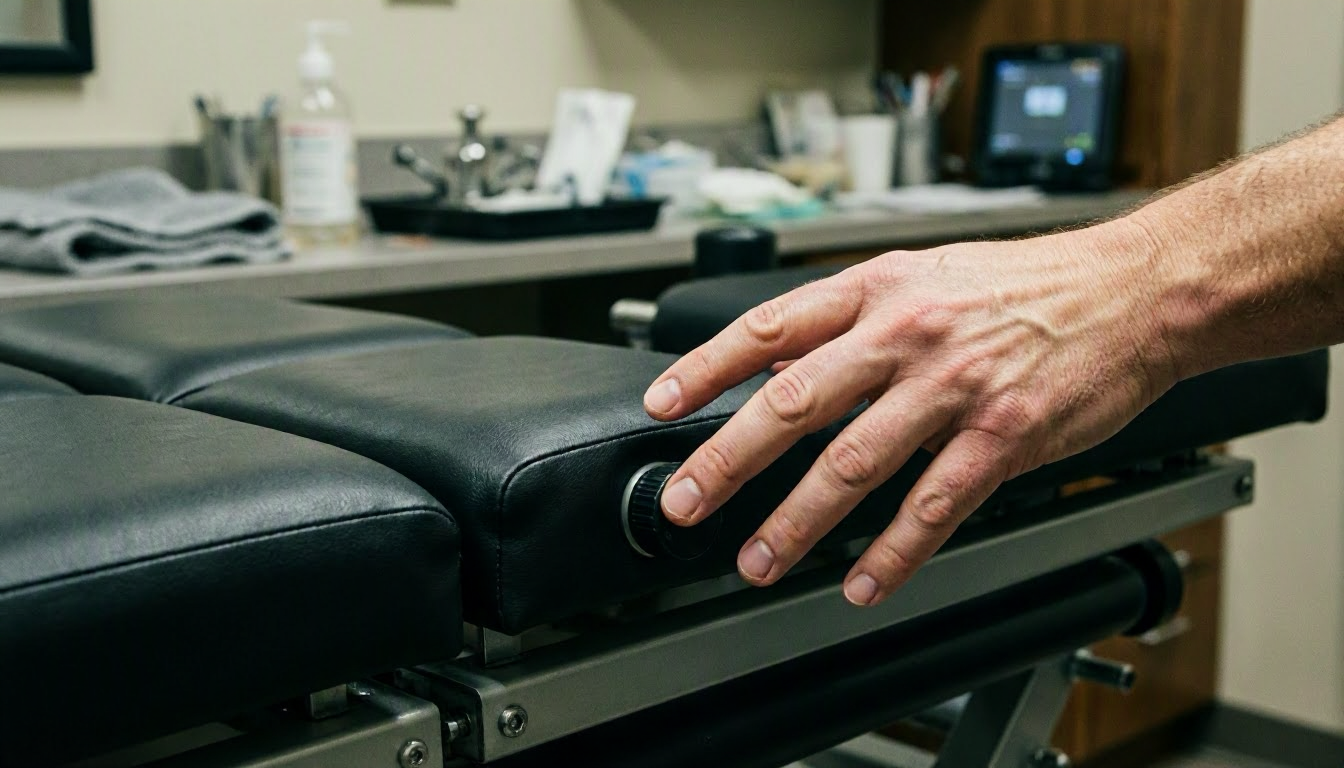
Intersegmental Traction is a non-invasive chiropractic technique designed to improve spinal function by gently stretching the vertebrae. The therapy uses a table equipped with rollers that move up and down the length of the spine. As the rollers pass beneath the patient, they create a gentle lifting and separating effect on each spinal segment. This motion helps restore normal movement to stiff or restricted areas without requiring the patient to actively move or exert effort.
The goal of Intersegmental Traction is to boost the health of the spine by increasing circulation to the spinal discs and surrounding tissues. Spinal discs rely on movement and hydration to maintain their cushioning properties. When the spine becomes stiff or misaligned, discs can lose hydration and elasticity, leading to discomfort or reduced mobility. By promoting rhythmic movement, Intersegmental Traction helps discs reabsorb nutrients and fluids, supporting their natural ability to absorb shock and maintain spinal alignment.
How Intersegmental Traction Works?
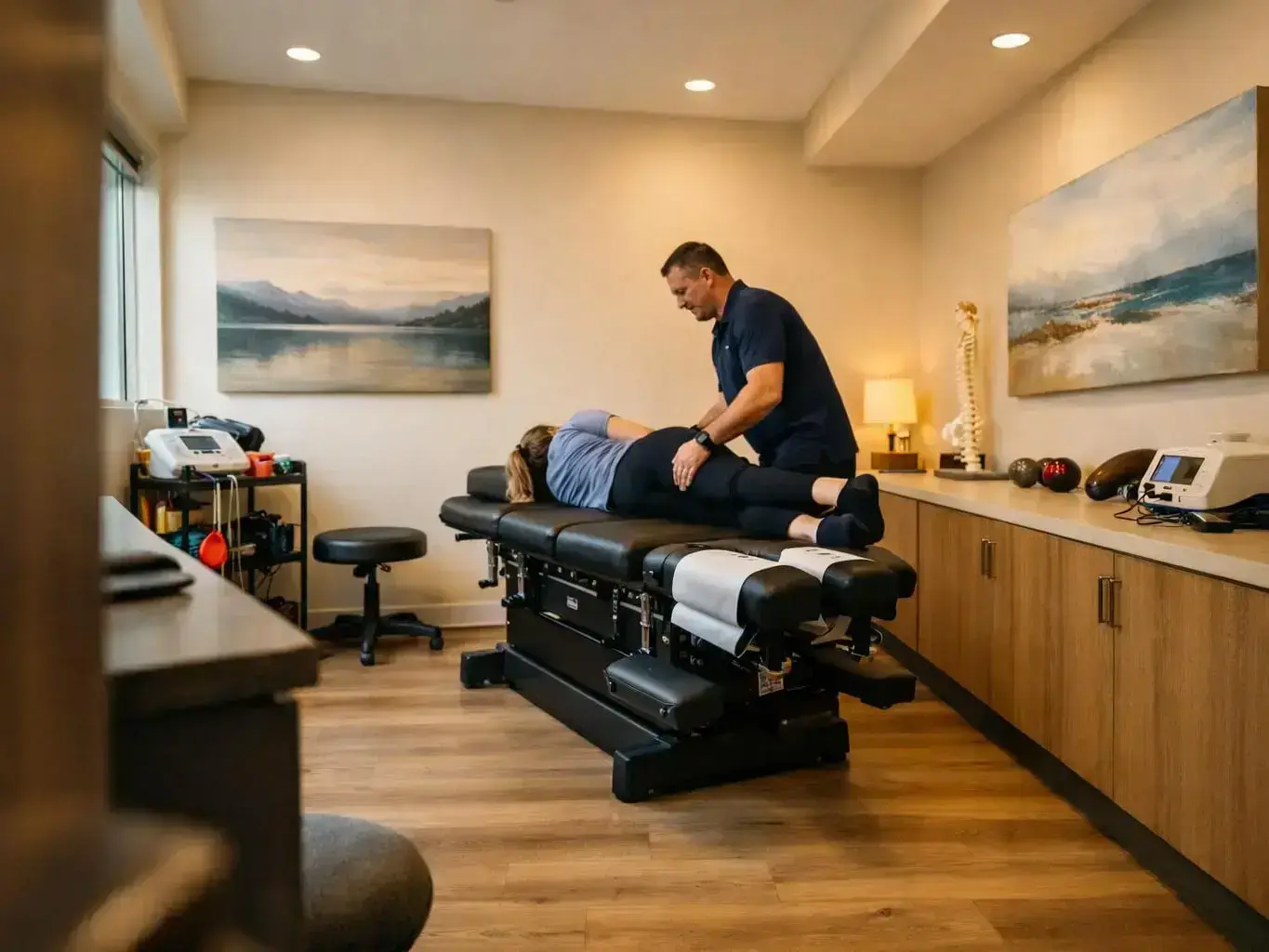
The process begins with the patient lying face-up on a specialized traction table. The table contains rolling mechanisms, often referred to as rollers or traction nodes, positioned beneath the spine. These rollers are adjustable to target specific areas, such as the lower back or neck. Once activated, the rollers move slowly along the spine, creating a wave-like motion that gently lifts and separates each vertebra. The speed and pressure of the rollers can be customized based on the patient’s comfort and therapeutic needs.
The rhythmic motion of Intersegmental Traction serves multiple purposes. First, it helps reduce muscle tension by encouraging relaxation in the paraspinal muscles that support the spine. Second, it increases the space between vertebrae, which can relieve pressure on nerves and discs. Third, the motion stimulates blood flow and lymphatic drainage, aiding the body’s natural healing processes. Unlike manual adjustments, Intersegmental Traction doesn't involve sudden thrusts or cracking sounds, making it a gentle option for patients who may be hesitant about more forceful techniques.
Why Intersegmental Traction Matters?

Intersegmental Traction plays a valuable role in chiropractic care by addressing the underlying causes of spinal stiffness and discomfort. Many patients experience back or neck pain due to prolonged sitting, poor posture. Or repetitive stress, which can lead to restricted mobility and muscle tightness. By improving spinal flexibility, Intersegmental Traction helps patients regain a fuller range of motion, making daily activities like bending, lifting. Or turning easier and less painful. The therapy also complements other chiropractic treatments, such as spinal adjustments or soft tissue therapy, by preparing the spine for manual techniques and enhancing their effectiveness.
Another key benefit of Intersegmental Traction is its ability to support disc health. Spinal discs act as cushions between vertebrae. But they can become dehydrated or compressed over time, especially in individuals with sedentary lifestyles or degenerative conditions like osteoarthritis. The gentle stretching provided by Intersegmental Traction encourages discs to rehydrate and maintain their structural integrity, reducing the risk of disc-related issues such as herniation or bulging. For patients recovering from injuries or surgeries, the therapy can also aid in rehabilitation by promoting circulation and reducing inflammation in the affected areas.
When Intersegmental Traction Matters Most?
Intersegmental Traction is particularly beneficial for individuals experiencing chronic stiffness, mild disc degeneration. Or muscle tension in the back or neck. It's often recommended for patients who spend long hours sitting at desks, driving. Or engaging in repetitive physical activities, as these habits can lead to spinal compression and reduced mobility. The therapy is also useful for older adults or individuals with arthritis, as it provides a gentle way to maintain spinal flexibility without placing excessive stress on joints or tissues.
Patients recovering from minor injuries, such as muscle strains or ligament sprains, may also find Intersegmental Traction helpful. The therapy can be used as part of a broader treatment plan to reduce pain, improve healing. And prevent future stiffness. But it is not suitable for everyone. Individuals with severe osteoporosis, spinal fractures. Or advanced disc herniations should avoid Intersegmental Traction unless cleared by a healthcare provider. In Nashville, chiropractors often use this therapy as a conservative approach to managing back and neck pain before considering more invasive treatments like injections or surgery.
For those seeking a non-pharmacological option to manage discomfort, Intersegmental Traction offers a drug-free alternative to pain relief. It is commonly included in wellness plans for patients looking to maintain spinal health, improve posture. Or boost their overall mobility. Because the therapy is passive and relaxing, many patients find it a comfortable and enjoyable part of their chiropractic care routine.