Understanding Chiropractic Neurology
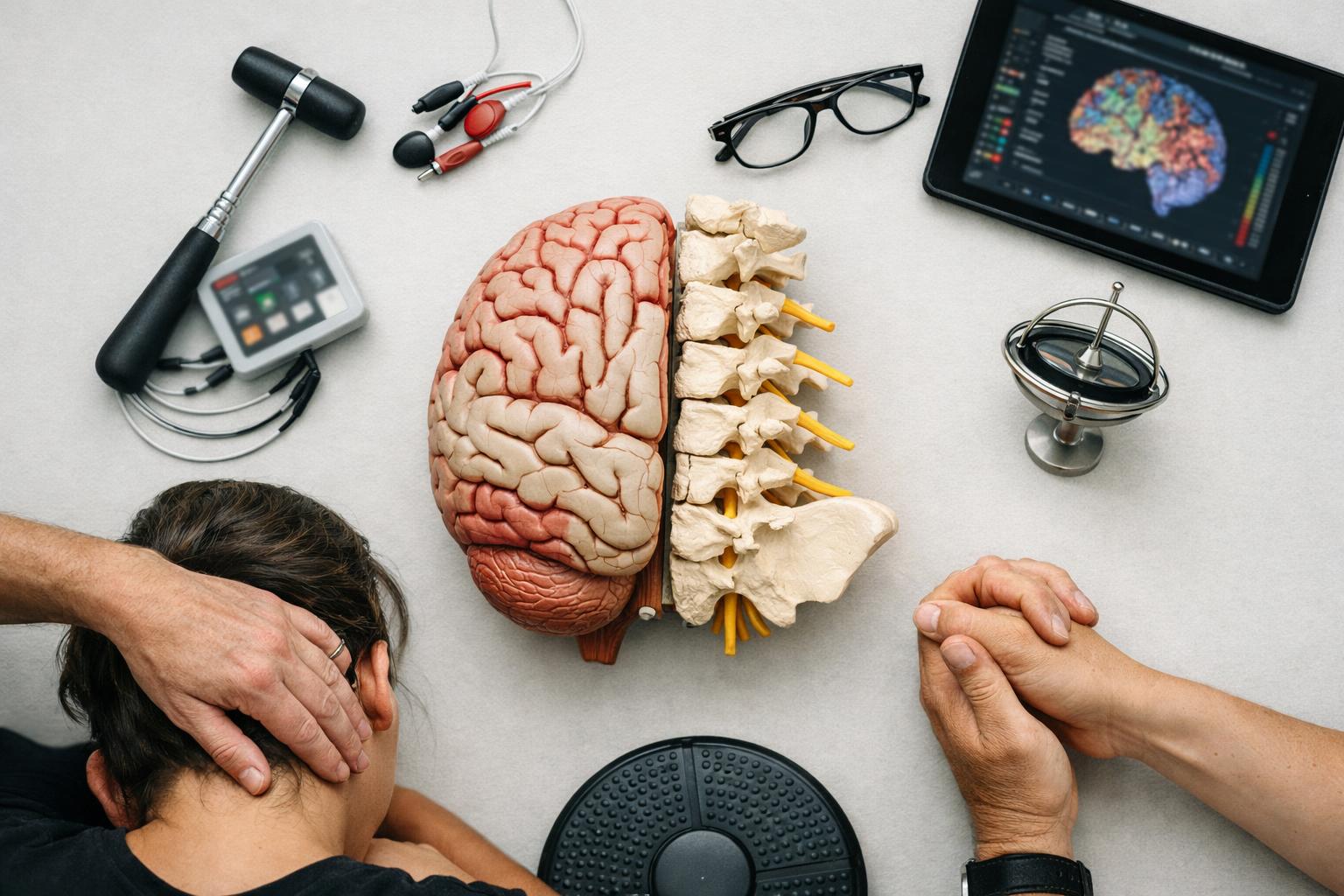
Chiropractic Neurology is a field within chiropractic medicine that examines how the nervous system interacts with the spine and body. Unlike traditional chiropractic care, which primarily focuses on spinal alignment and musculoskeletal issues, Chiropractic Neurology looks deeper into how nerve signals, brain function. And spinal health affect overall well-being. This approach is based on the idea that misalignments or dysfunctions in the spine can disrupt nerve signals, leading to problems like chronic pain, poor coordination. Or even cognitive difficulties.
Practitioners in this field undergo additional training to understand the brain-body connection. They study how different parts of the brain control movement, sensation. And organ function. For example, a Chiropractic Neurologist might assess how a patient’s balance, eye movements. Or reflexes respond to certain stimuli. This information helps them identify areas where nerve function may be compromised and design targeted treatments to restore proper communication between the brain and body.
How Chiropractic Neurology Works?
Chiropractic Neurology relies on a combination of neurological exams and chiropractic techniques to diagnose and treat patients. During an evaluation, the practitioner may test reflexes, muscle strength, sensory responses. And coordination. They might also observe how the patient moves, walks. Or performs tasks that require balance. These tests help identify areas where nerve signals are not functioning optimally, such as a misaligned vertebra pressing on a nerve or a brain region not receiving proper input.
Treatment often includes specific chiropractic adjustments custom to the patient’s neurological needs. For instance, if a patient has poor balance due to a nerve issue in the neck, the practitioner might focus on gentle adjustments to that area while also recommending exercises to retrain the brain and body. Other tools, such as light therapy, vibration therapy. Or sensory stimulation, may also be used to boost nerve function. The goal is to restore proper nerve signaling, improve brain-body communication. And alleviate symptoms without surgery or medication.
Why Chiropractic Neurology Matters?

Chiropractic Neurology matters because it offers a non-invasive way to address neurological issues that might otherwise go untreated or require more aggressive interventions. Many patients with chronic pain, dizziness. Or movement disorders find relief through this approach, especially when traditional treatments have failed. By focusing on the nervous system, practitioners can help patients regain function, reduce pain. And improve quality of life without relying on drugs or surgery.
This field is also valuable for patients recovering from injuries, such as concussions or whiplash, where nerve damage or brain function may be affected. Chiropractic Neurology can support rehabilitation by helping the nervous system heal and adapt. And it may benefit patients with conditions like neuropathy, vertigo. Or even learning difficulties by addressing underlying neurological imbalances.
When Chiropractic Neurology Matters Most?
Chiropractic Neurology is particularly important for patients who experience symptoms that don’t respond to standard chiropractic care or conventional medicine. For example, someone with persistent dizziness, unexplained muscle weakness. Or chronic headaches may find relief through this specialized approach. It’s also useful for individuals recovering from traumatic brain injuries, strokes. Or spinal cord injuries, where nerve function needs targeted support to heal.
Patients with developmental disorders, such as autism or ADHD, may also benefit from Chiropractic Neurology, as it can help improve sensory processing and brain function. Athletes looking to boost performance or recover from sports-related nerve injuries might use this approach to improve their nervous system. And older adults dealing with balance issues or age-related neurological decline may find Chiropractic Neurology helpful in maintaining mobility and independence.